OEM / ODM · PRIVATE LABEL
Build Your Pump Range with YARDPUMP
Start with an established model, then define the electrical, branding, packaging and design options your market requires.
Tell us what you need. We’ll confirm feasibility, sample requirements and the quotation before production.
Three cooperation routes
Choose the Level of Change You Need
Start with the current pump where possible. Add only the branding, electrical, packaging or product changes your project needs.
Brand an Existing Model
Start with the current pump design. Review your logo, label, color, cable, plug and packaging requirements.
- Logo, label and color
- Packaging and barcode
- Plug, cable and electrical version
Review Product Changes
Discuss components, dimensions or construction where the existing model can support them. New tooling or design work may need a separate development plan.
- Components or construction
- Dimensions and interfaces
- Tooling or development when required
Prepare for Your Market
Coordinate the electrical version, nameplate, manual, barcode and applicable documents for the product you plan to supply.
- Nameplate and manual
- Barcode and carton information
- Applicable product documents
What can be customized
What Can We Review for Your Project?
The available changes depend on the model, order quantity and technical requirements.
| Area | What to specify | What to confirm |
|---|---|---|
| Branding | Logo position, printed markings, labels, model codes and color references. | Confirm the process, artwork and sample requirement for the selected model. |
| Electrical Version | Voltage, frequency, plug, cable type and cable length for the destination market. | Confirm availability and applicable documents for the selected model and power rating. |
| Packaging | Export cartons, printed retail boxes, inserts, barcodes and warehouse labels. | Agree on artwork, sample requirements and packing details before production. |
| Components and Construction | Defined material, control or component requirements, reviewed against the selected pump design. | Confirm which requested changes are available on the selected model. |
| Manuals and Documents | Language, nameplate content, drawings, performance data and applicable compliance files. | Match the documents to the exact model, electrical version and destination market. |
| Product Development | Design or tooling changes with an agreed technical brief, development scope and sample plan. | Agree on feasibility, tooling scope, cost and sample requirements for the project. |
From requirement to production
How an OEM Project Moves Forward
Move from the application to a starting model, sample, approved specification and production order.
- 01
Tell Us About the Application
Describe the water, flow, lift and operating conditions.
Application brief - 02
Choose a Starting Model
Compare the model and power version closest to your requirements.
Starting model and power version - 03
Define the Changes
List electrical, component, branding, packaging and document requirements.
Change list - 04
Review the Sample
Agree on the sample plan and check the proposed product.
Sample review - 05
Approve the Specification
Confirm components, artwork, inspection requirements and order terms.
Approved specification - 06
Produce and Check the Order
Work to the agreed specification and inspection scope.
Production and inspection
Starting Models
A Starting Model for Your Range
Start with a current model, then review only the changes your market needs.
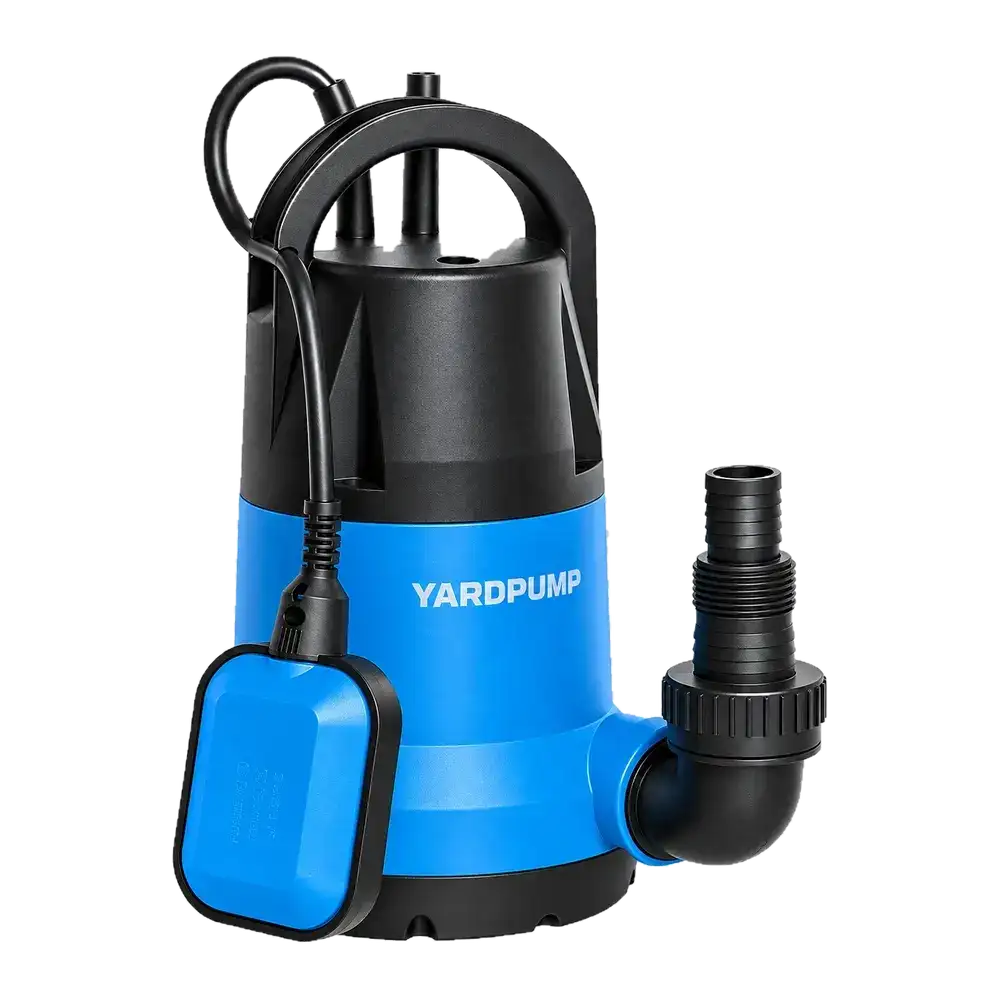
QDX-PA
QDX-PA Clean Water Starting Model
Five clean-water power options from 200 to 750 W, with cover and base designs to review.
View Model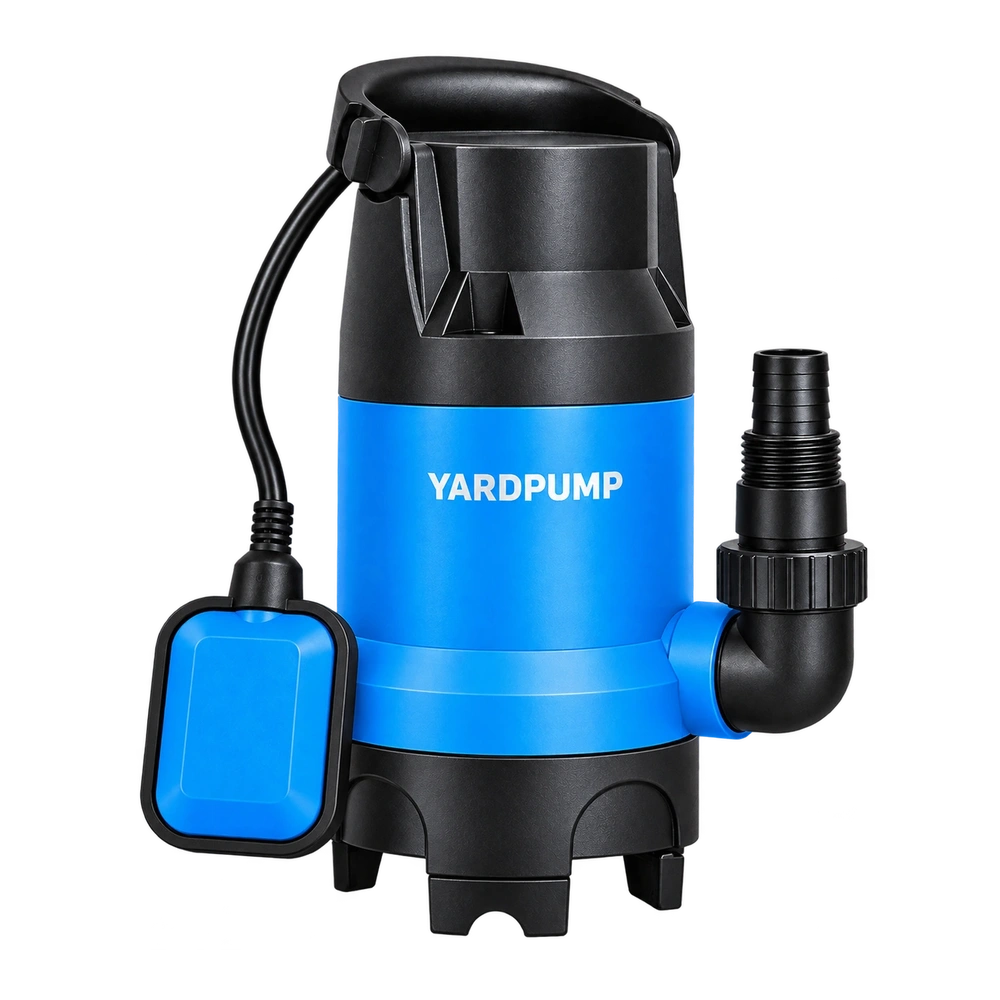
WQDX-PA
WQDX-PA Clean & Dirty Water Starting Model
Five power options for clean water and water with soft particles.
View Model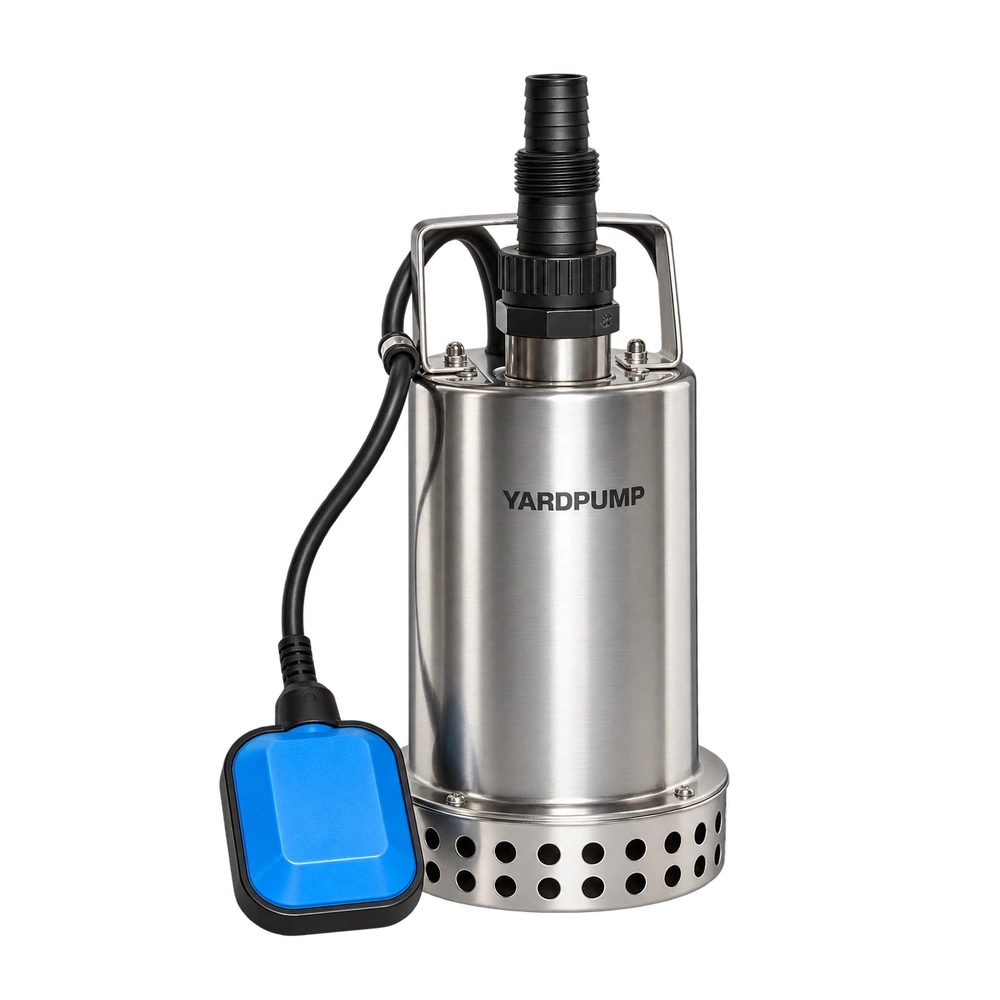
QDX-SC
QDX-SC Stainless Steel Housing Starting Model
Clean-water pumping with a 304 stainless steel housing.
View ModelManufacturing
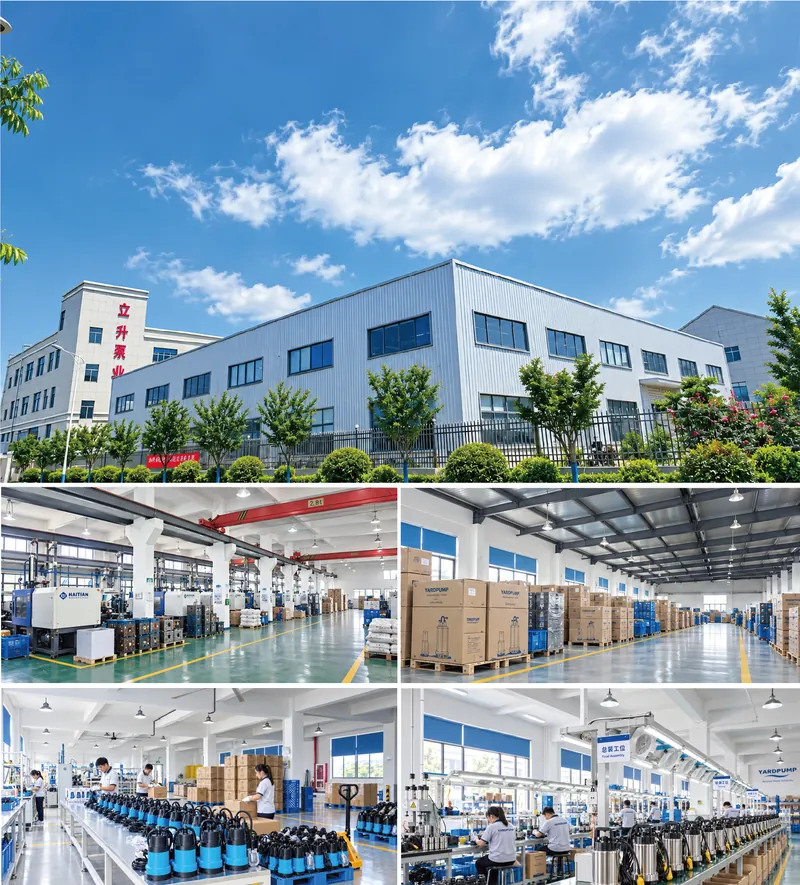
Manufacturing Behind the Project
Product development, tooling, plastic molding, assembly and inspection support the agreed product.
ManufacturingQuality & documents
Agree on the Checks and Documents
Define the sample, inspection criteria and applicable documents for the exact model, electrical version and market.
Quality ControlOEM Project Details
What to Send Us
Share what you already know. We can confirm missing details during the project review.
Application
What water will the pump move, and how will it be used?
Performance
Required flow and head, or the lift and hose route if you’re unsure.
Electrical Supply
Voltage, frequency, plug and cable requirements.
Quantity
Initial order and estimated annual demand if available.
Branding and Packaging
Logo, color, box, labels and manual requirements.
References
A drawing, sample specification or packaging reference you can share.
What affects the project
What Can Affect the Project?
Custom parts, colors, tooling, electrical versions, packaging and document requirements can affect minimum quantities, development time and price.
We’ll review those details with your brief.
OEM FAQ
Common Questions
Does YARDPUMP support OEM and private-label submersible pump projects?
Yes. Start with a current model and share your market, quantity, logo and packaging requirements. We’ll review the available changes and quotation.
Can we customize branding, color and packaging?
These can be reviewed for the selected model and order. Send artwork and color references so the process, sample and quantity requirements can be confirmed.
Can the electrical version, plug or cable length be changed?
Tell us the voltage, frequency, plug and cable needed. Availability and applicable documents are confirmed for the selected model and power rating.
What is the MOQ for an OEM order?
It depends on the model and requested changes. Standard products, custom colors, printed packaging and new parts can have different requirements. Send your planned quantity for review.
Can YARDPUMP support tooling or a new-product development project?
Development work is reviewed against a clear technical brief. Feasibility, tooling scope, cost and sample requirements must be agreed for the project.
Which certifications or compliance documents are available?
Do not assume one certificate covers every private-label version. Product, electrical or branding changes may affect the applicable document scope. Confirm the files for the exact version and destination market.
Start Your Project
Let’s Build Your Pump Brief
Share the application, quantity and changes you need. We’ll help you compare a starting model and define the next step.