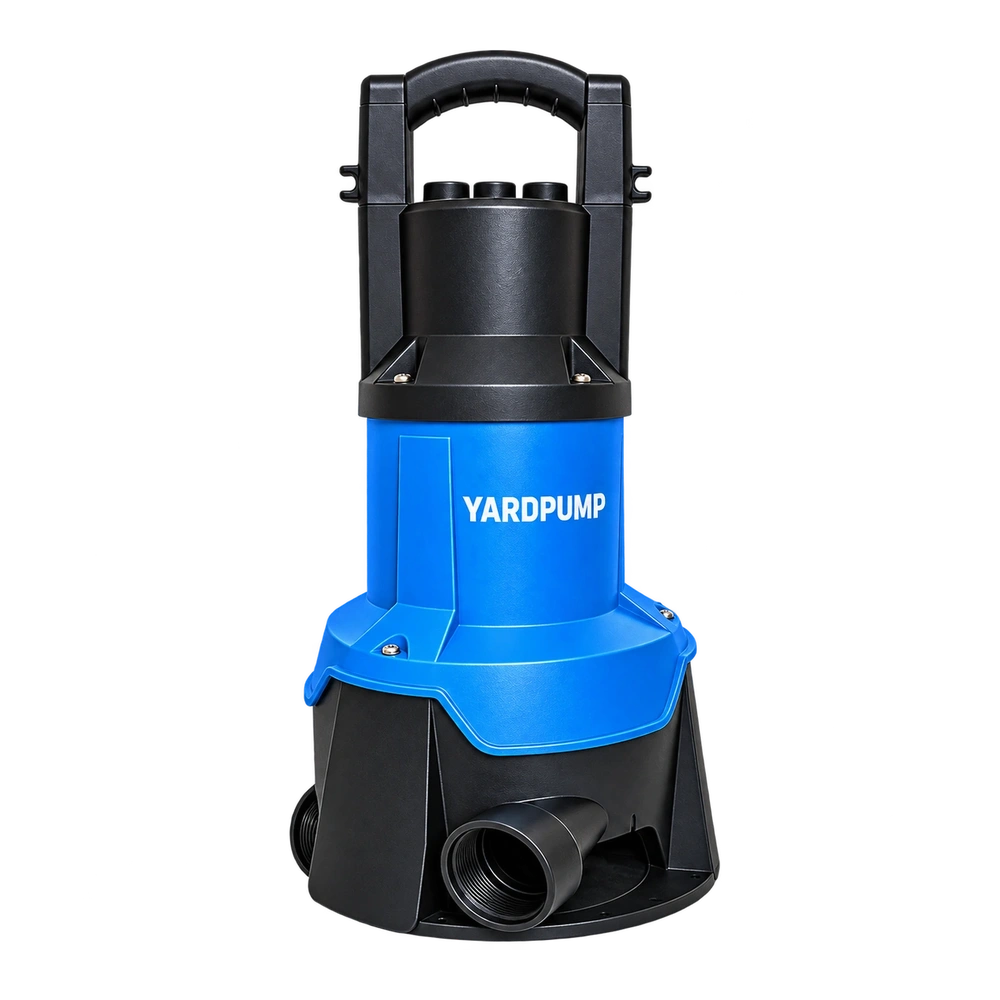
Larger Water Volumes
WQD-PJ
Clean & dirty waterMaximum flow rate range 23–28 m³/h and maximum head up to 15 m for larger transfer.
- Power range
- 900–1300 W
- Max. head
- 11–15 m
- Max. flow rate
- 23–28 m³/h
- Residual water
- 90 mm
APPLICATION GUIDE
Match the pump to water conditions, soft solids and the required flow. For seawater, separately confirm wetted materials, seals, salinity and operating duration.
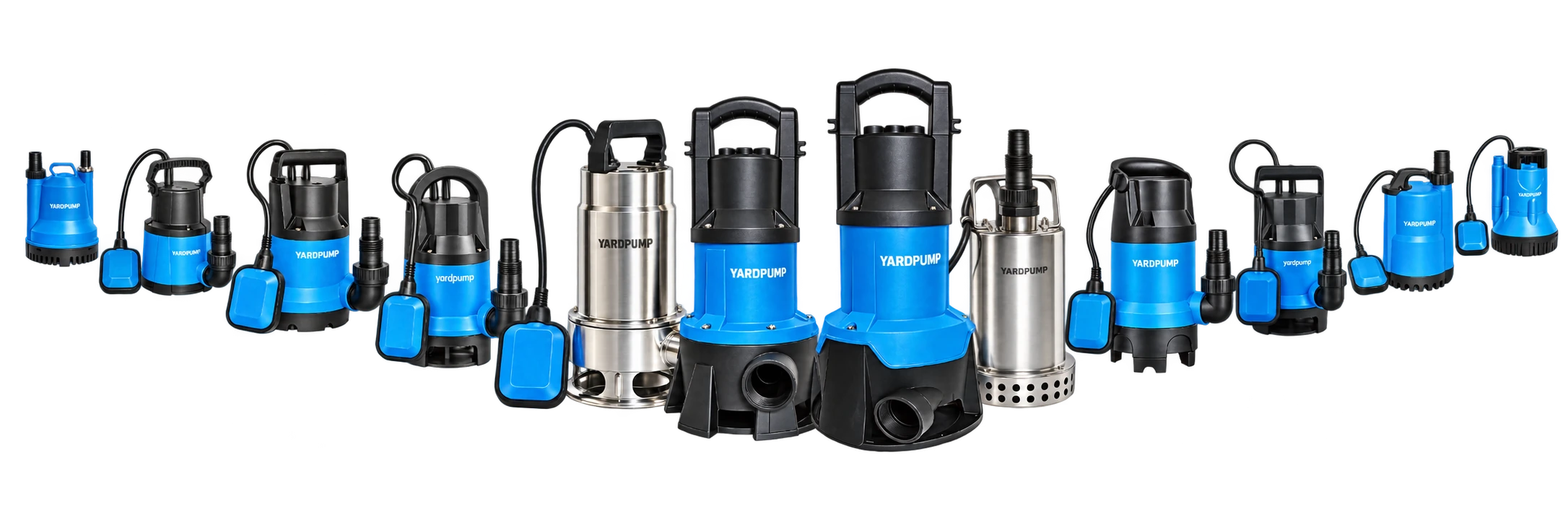
Selection
Water Type
State fresh water or saltwater, water treatment and temperature.
Particles
Describe soft solids, leaves, fibers and sediment.
Flow and Lift
Include the outlet flow, height and pipework losses.
Operating Schedule
Specify intermittent transfer or a long-running circulation requirement.
System Requirements
Describe controls and any installation or maintenance constraints.
Model Shortlist
Use these models as a starting point. Check the water limits, controls and performance curve for the version you choose.
Maximum flow rate range 23–28 m³/h and maximum head up to 15 m for larger transfer.
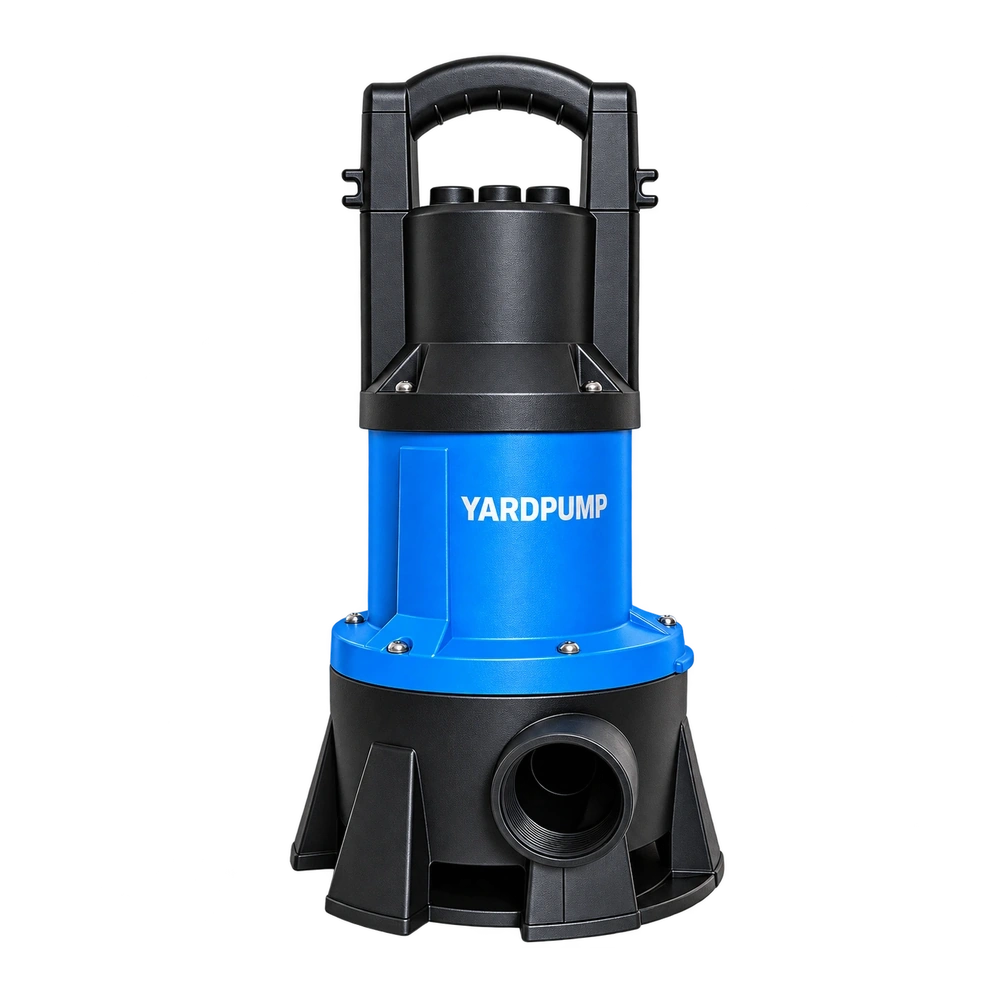
Maximum flow rate range 15–23 m³/h for higher-volume pond / aquaculture transfer.
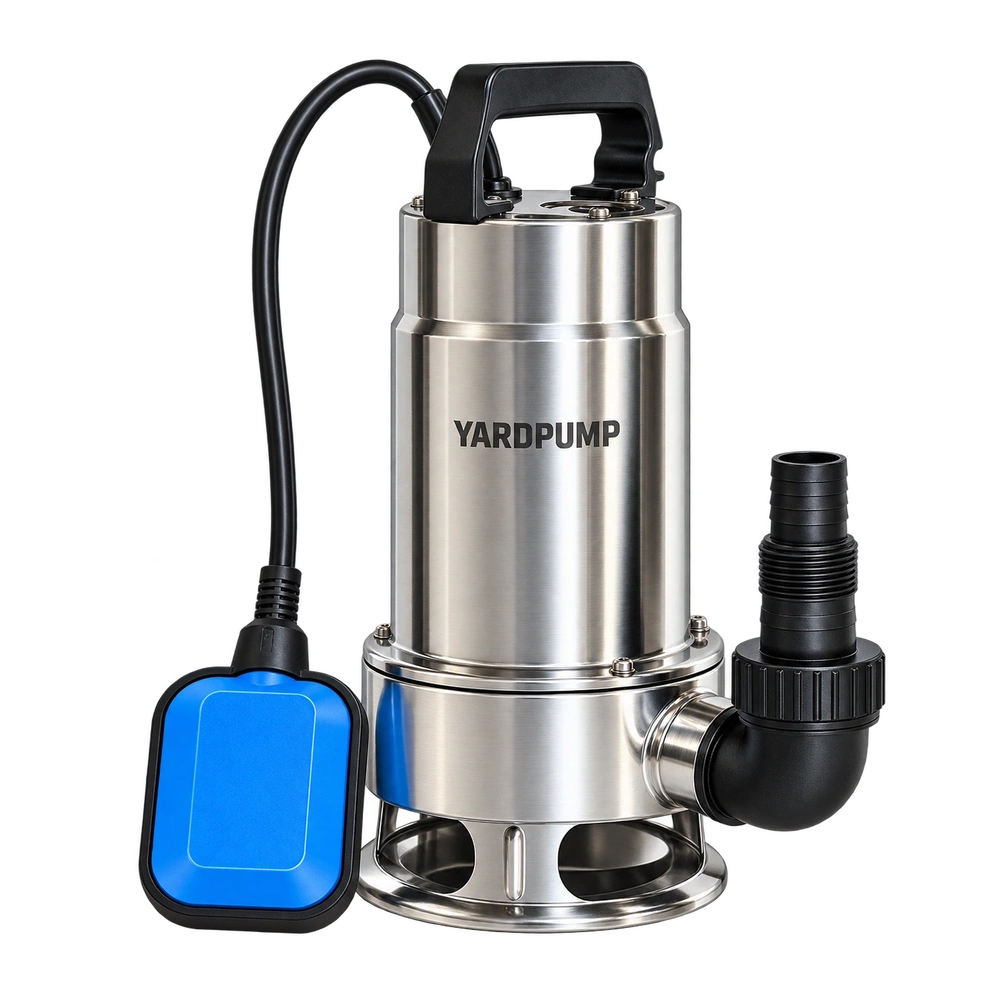
304 stainless clean/dirty-water family with 5 mm range.
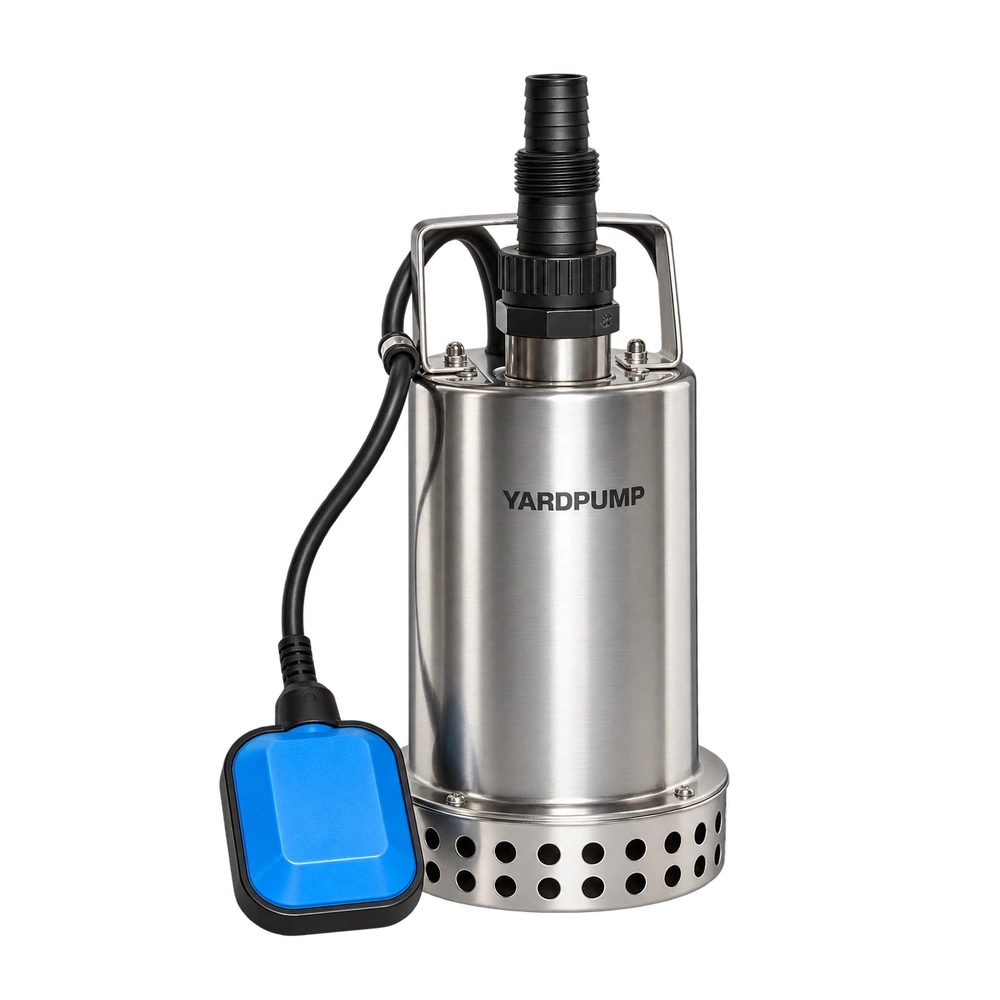
304 stainless-steel clean-water family for projects preferring metal housing.
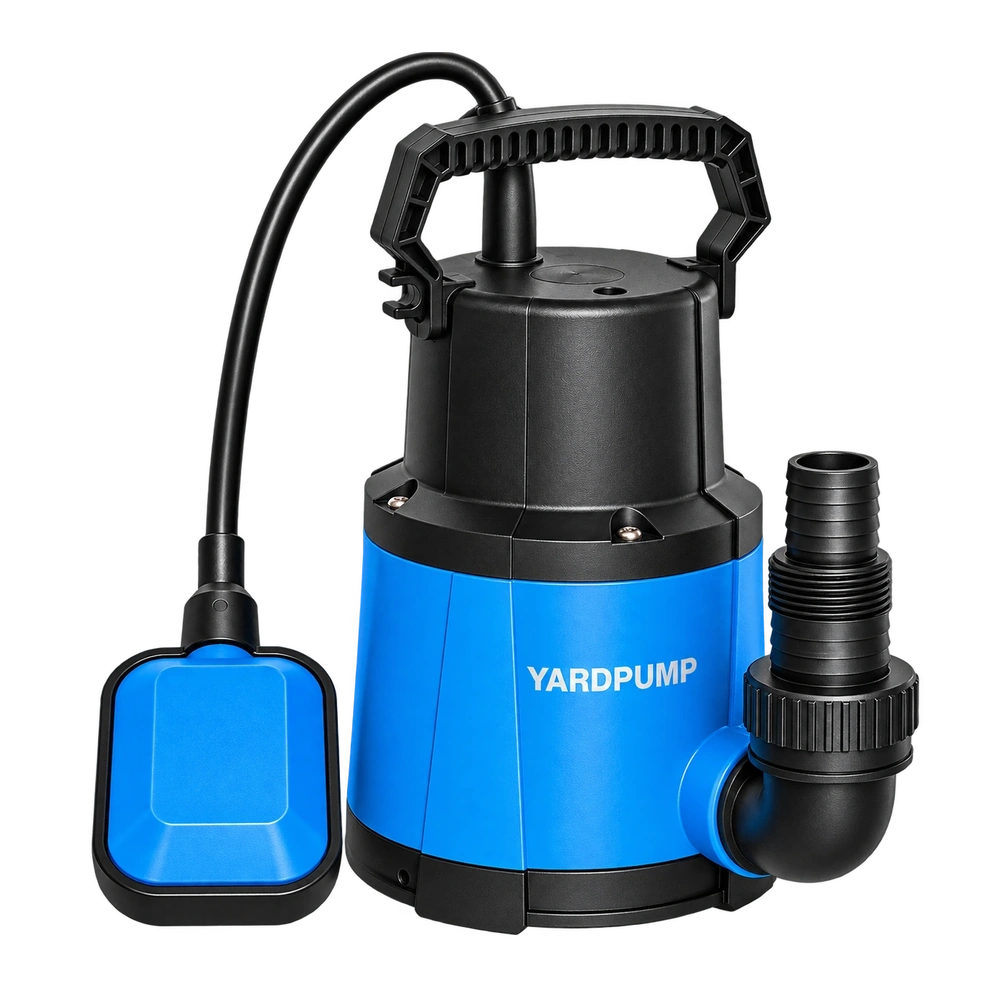
Low-level clean-water tank / raceway emptying.
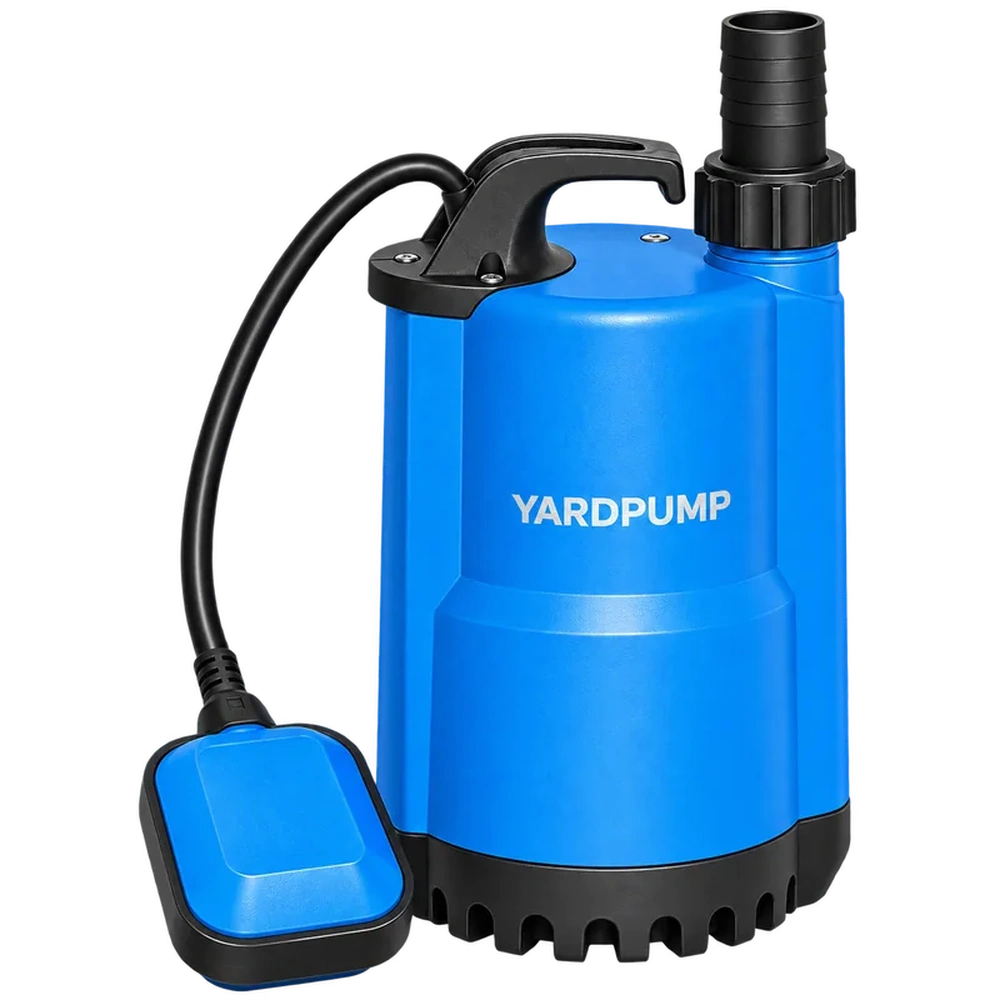
Compact clean-water transfer and low-level emptying.
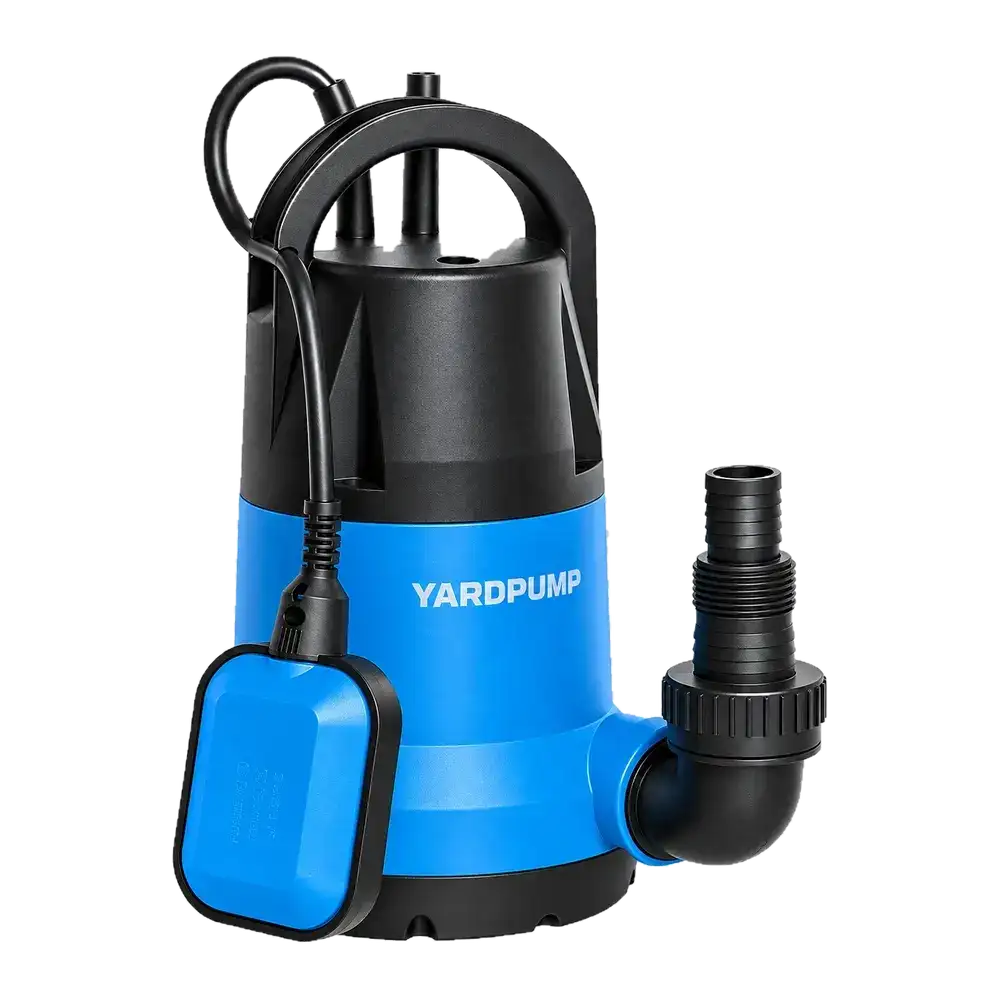
General clean-water aquaculture transfer when solids stay within 0.2 mm.
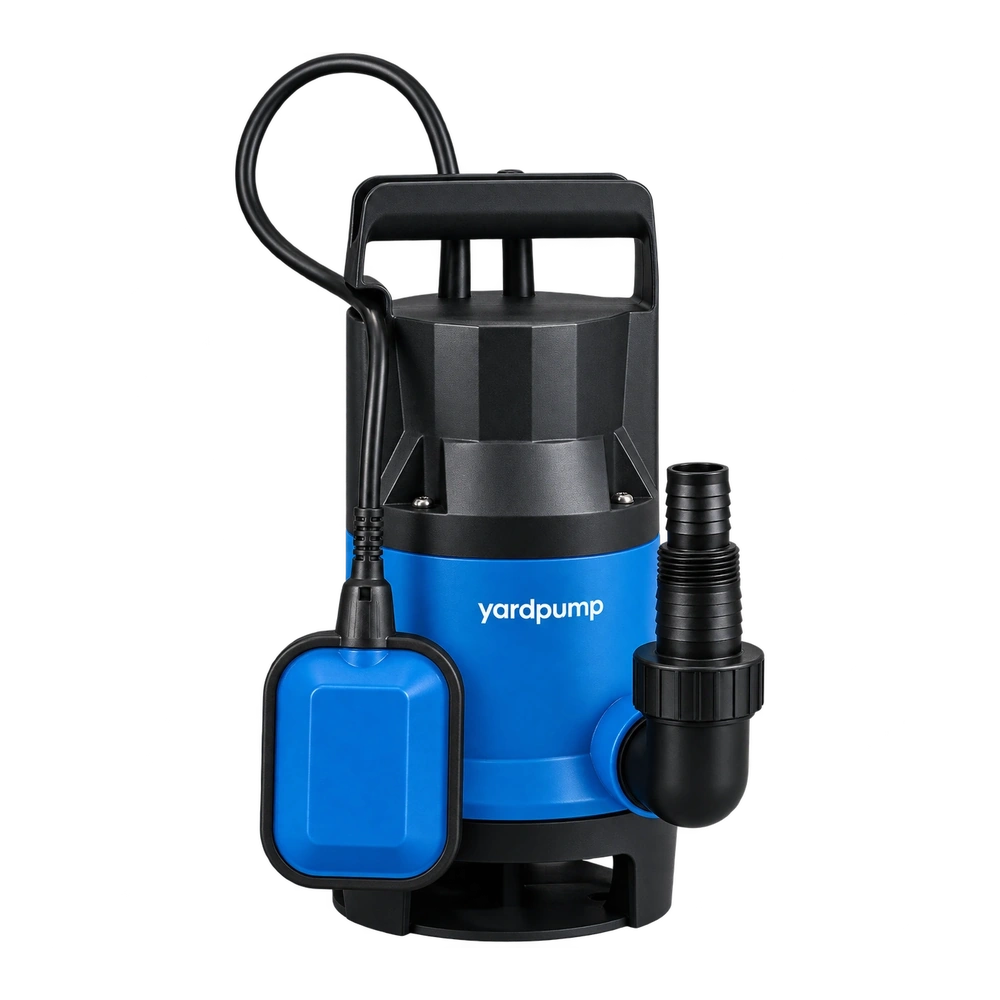
5 mm clean/dirty-water range for pond and fish-farm transfer.
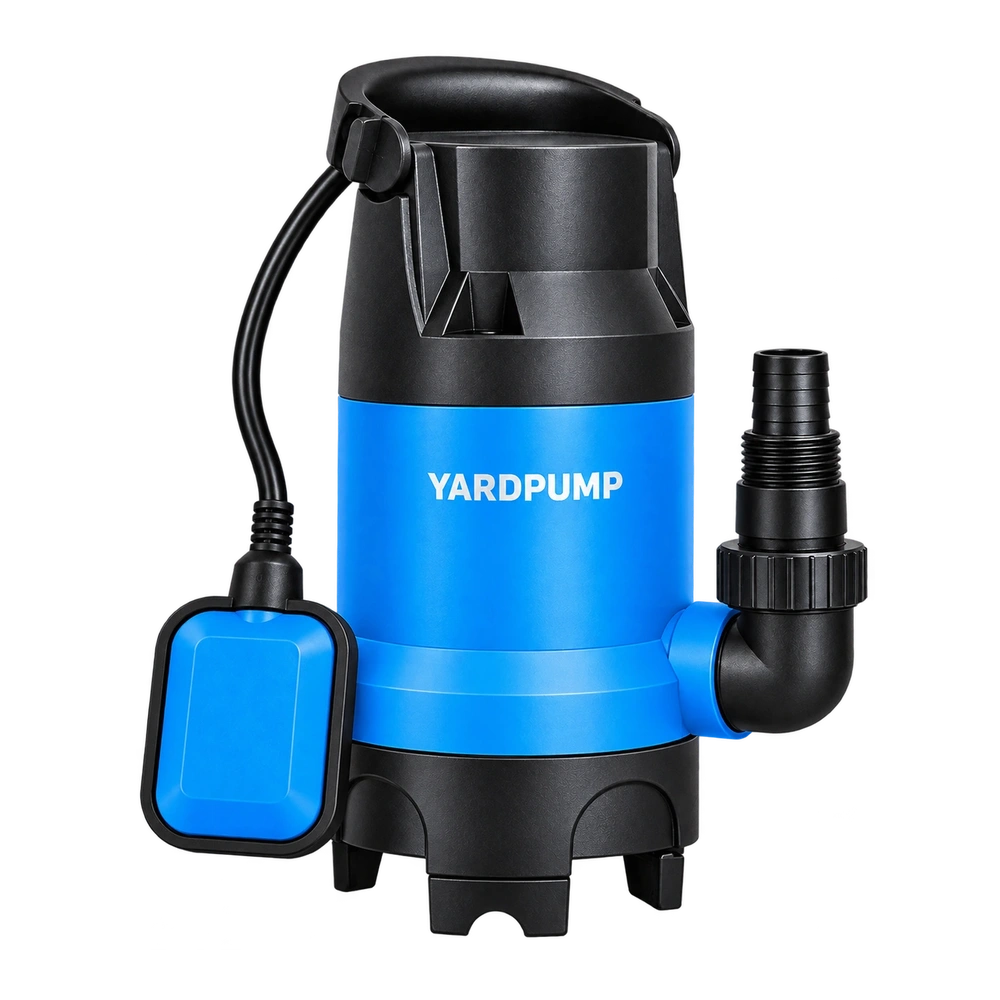
Modular clean/dirty-water alternative for pond and aquaculture work.
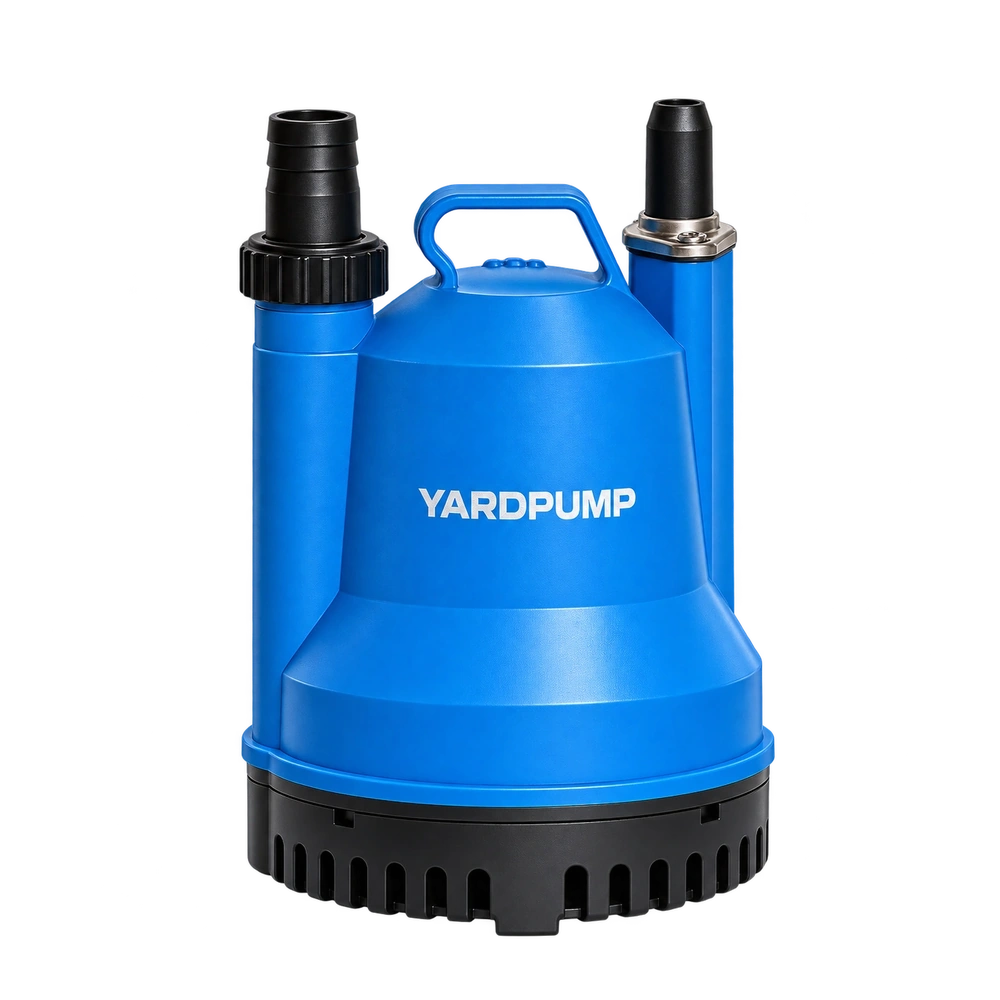
Portable clean-water aquaculture service without float switch.
Selection Help
Send the water condition, hose route and how quickly you need to move the water. We’ll help you compare a suitable model and power version.
Common Questions
Seawater requires a separate compatibility review. A stainless steel housing or a broad pH range is not enough to approve the complete pump.
Confirm the exact model’s duty rating and operating point first. A pump suitable for occasional transfer is not automatically approved for continuous circulation.
Next Step
Describe the water, hose route and operating time. Add your quantity and destination market if you’re buying for distribution or an OEM project.
Send Your Requirements