Measure the Pit
The pump and controls need enough space to operate without catching on walls, hoses or cables.
RESIDENTIAL SUMP DRAINAGE
Explore models for residential sump drainage. Confirm water conditions, pit size, float clearance and operating requirements before selection.
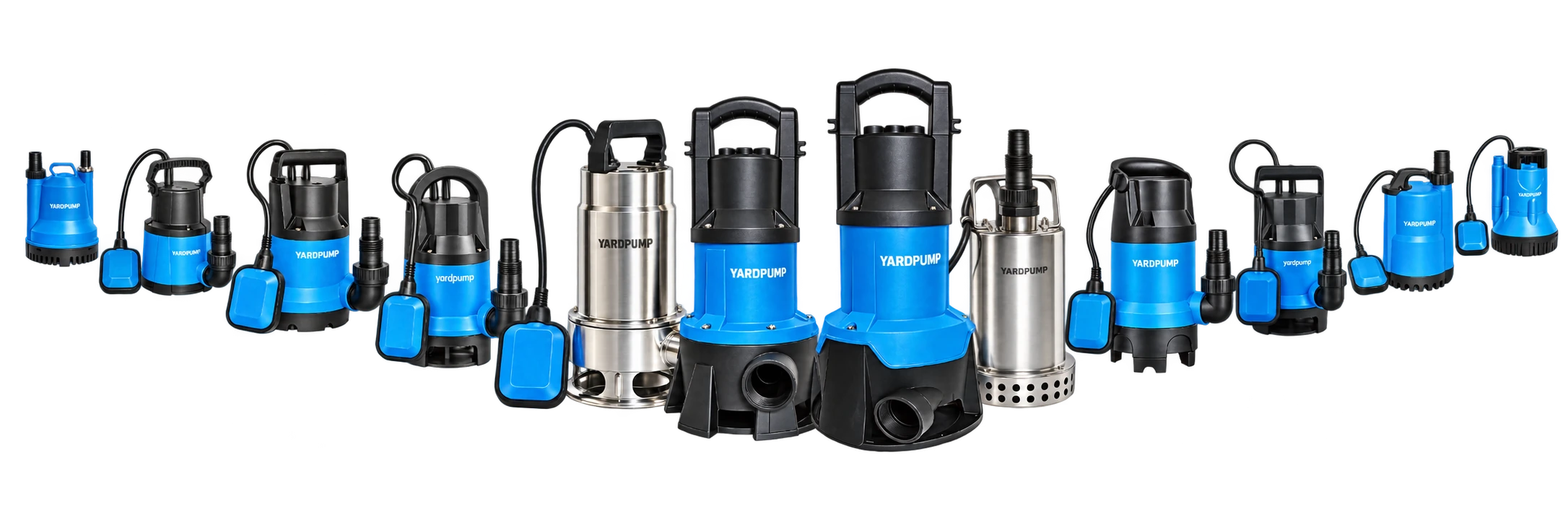
Models
Check the water limits, controls and power options for each model.
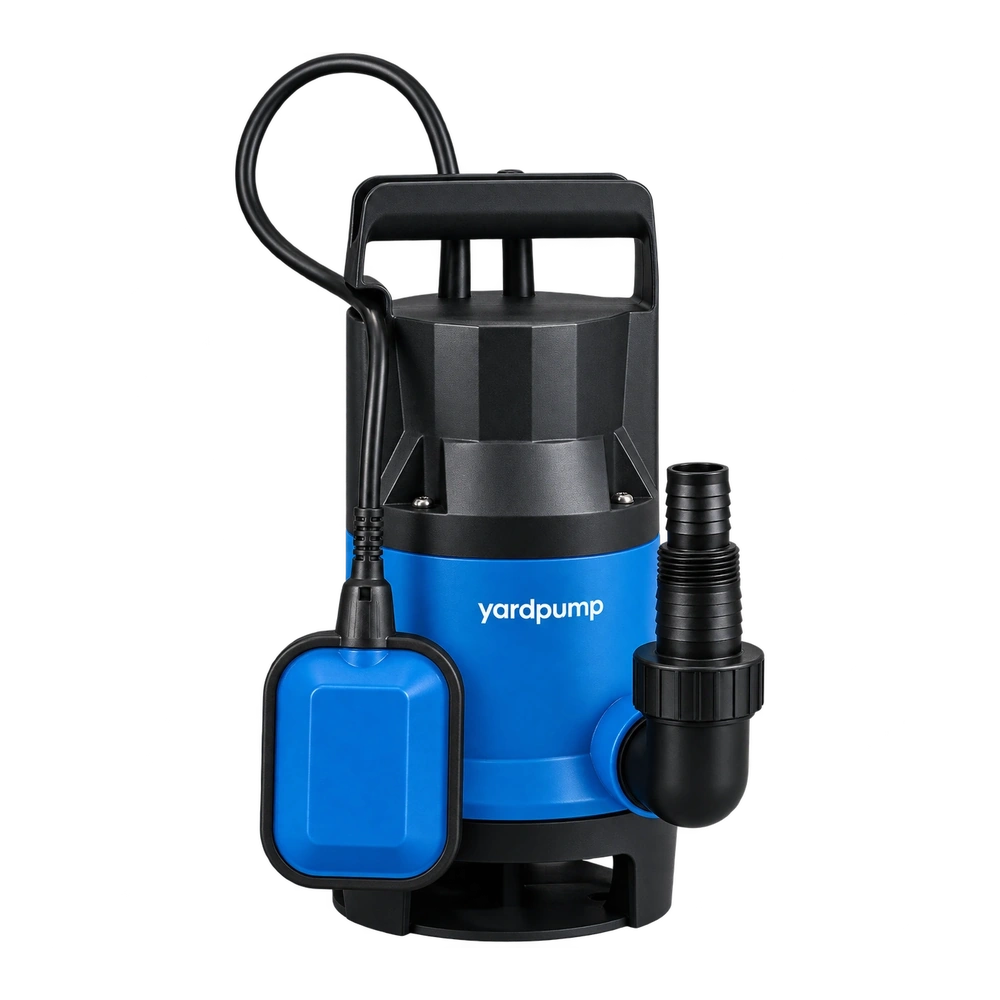
WQD-PA · Clean & dirty water
Compact dirty-water drainage with five power options and alternative cover and base designs.
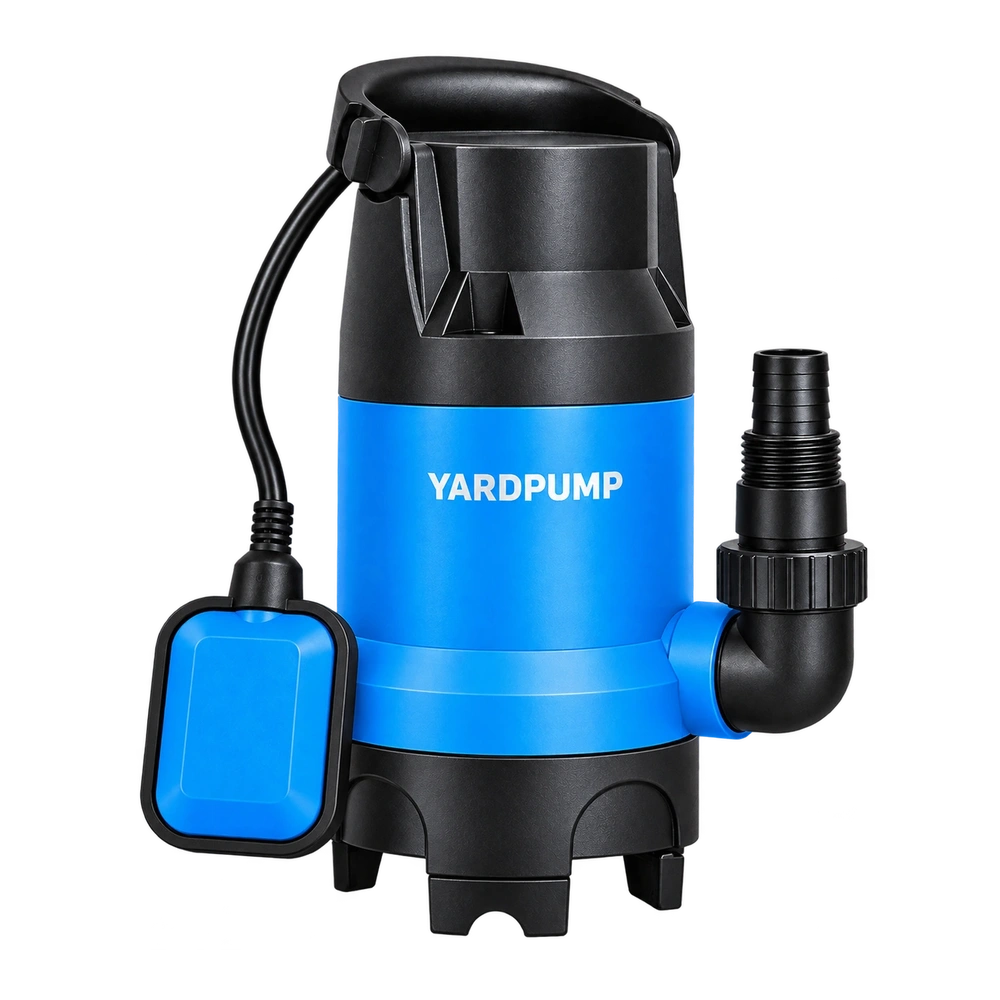
WQDX-PA · Clean & dirty water
An alternative cover and base design for compact clean-and-dirty-water drainage.
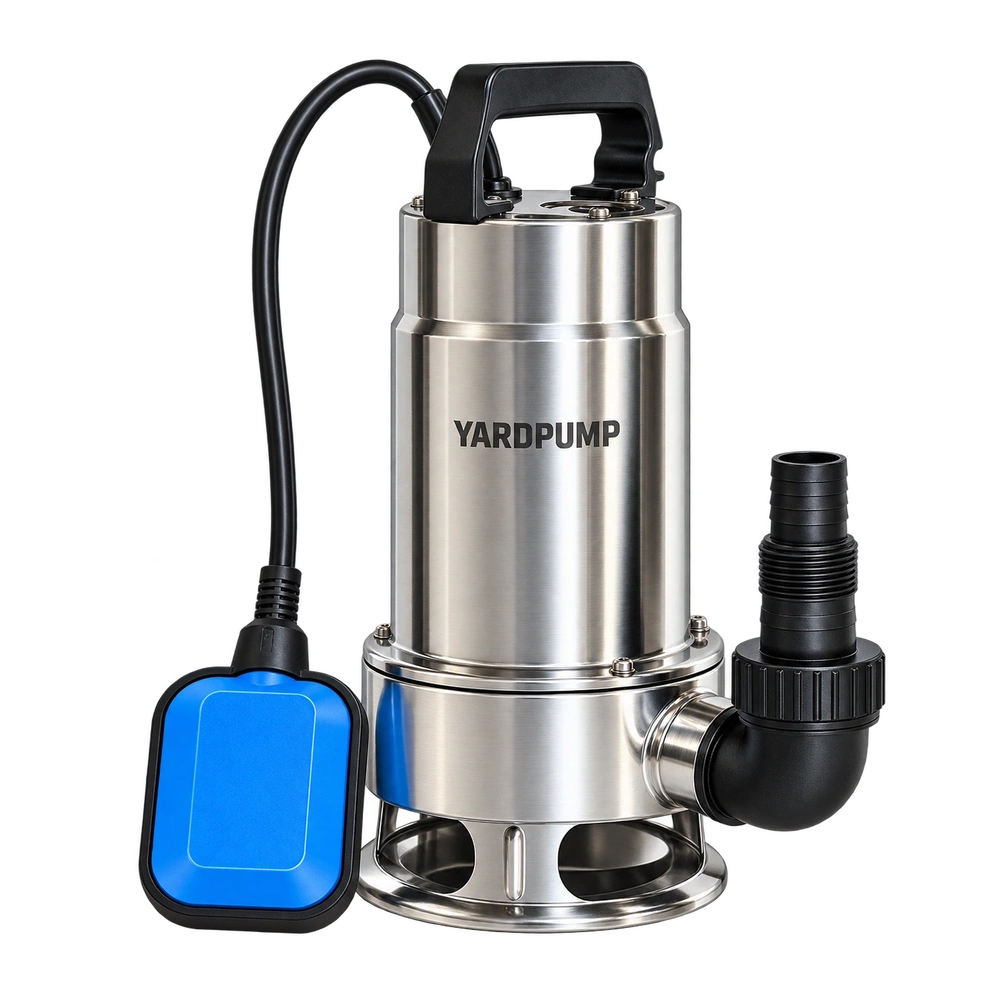
WQD-SD · Clean & dirty water
Soft-particle drainage with a 304 stainless steel housing and two power options.
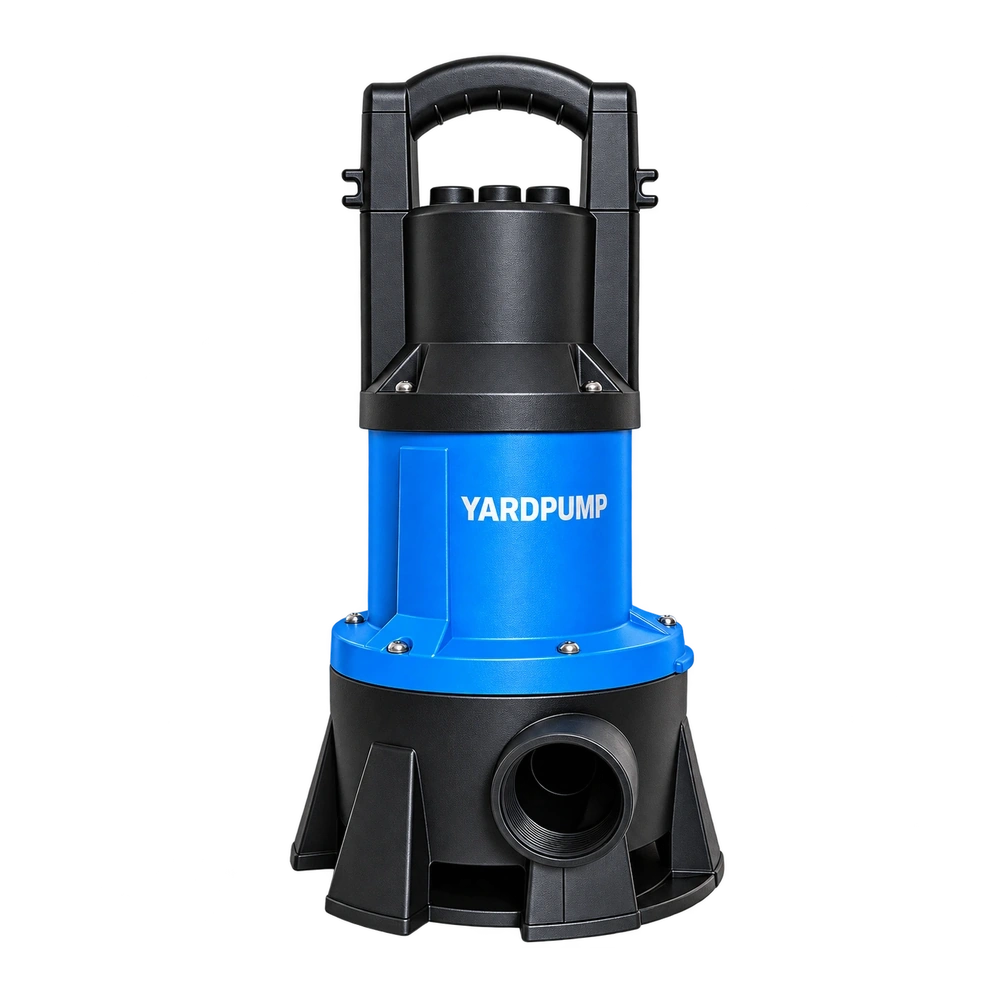
WQD-PH · Clean & dirty water
Higher-flow clean-and-dirty-water pumping, with 750 and 900 W options.
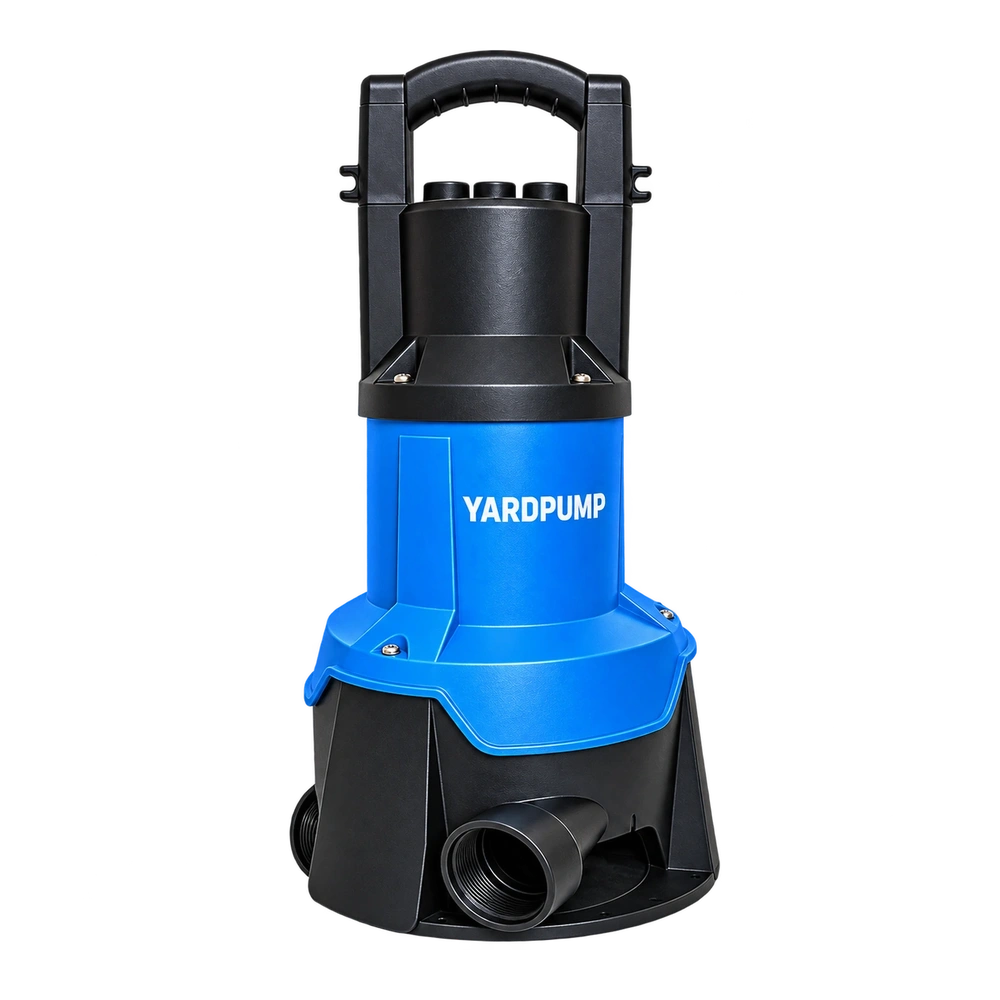
WQD-PJ · Clean & dirty water
Higher-flow and higher-head options for clean water and soft-particle drainage.
Before You Choose
Use these points to compare the water, installation and operating requirements before choosing a model.
Measure the pit, check inflow and discharge, and confirm the operating pattern. Permanent or unattended installations require review of controls, duty rating and installation requirements.
The pump and controls need enough space to operate without catching on walls, hoses or cables.
Match the flow at your working head to the incoming water. Consider how discharge backflow affects cycling.
Permanent or unattended installations need a review of controls, duty rating and installation requirements.
Explore basement and general drainage. A category label alone does not confirm that a pump is suitable for a permanent, unattended sump system.
Key Applications
Application suitability depends on the liquid, solids, required duty point, installation/control method and exact product configuration.
Common Questions
Only if the float has enough movement and the pump fits the chamber. Share the pit dimensions and control arrangement before choosing.
Confirm the exact model’s duty rating, controls and installation requirements first. Also consider the system’s backup, alarm and discharge arrangements where needed.