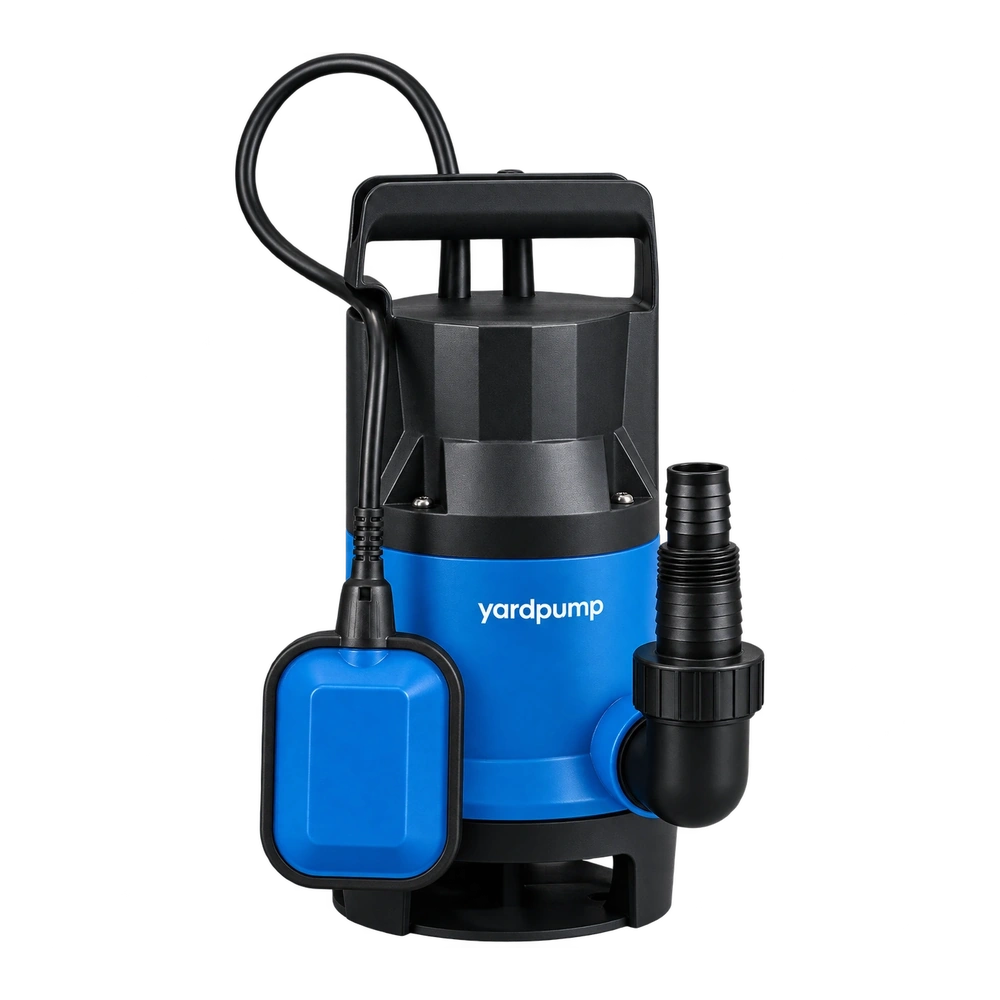
General Drainage
WQD-PA
Clean & dirty waterGeneral automatic floodwater drainage within the documented 5 mm soft-solids range.
- Power range
- 200–750 W
- Max. head
- 5–9 m
- Max. flow rate
- 5–12 m³/h
- Residual water
- 90 mm
APPLICATION GUIDE
Plan for bulk water removal and the final cleanup separately. Water condition, debris, lift and the remaining-water target guide model selection.
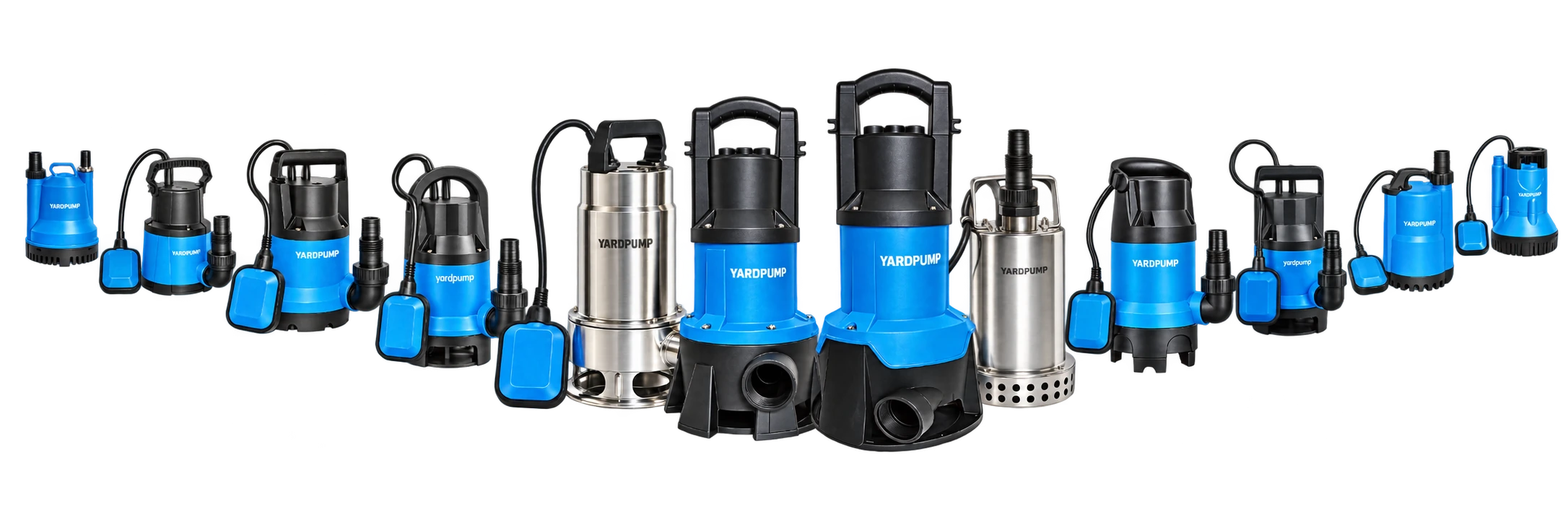
Selection
Safe Access
Do not enter or start pumping until electrical and structural risks have been assessed.
Floodwater Condition
Identify soft debris, sediment or possible sewage contamination.
Discharge Route
Measure lift, hose length and where the water will drain safely.
Pit and Controls
Allow space for the pump and any float movement.
Cleanup Level
A dirty-water pump may remove the bulk water; a compatible low-level model may help with clean-water cleanup.
Model Shortlist
Use these models as a starting point. Check the water limits, controls and performance curve for the version you choose.
General automatic floodwater drainage within the documented 5 mm soft-solids range.
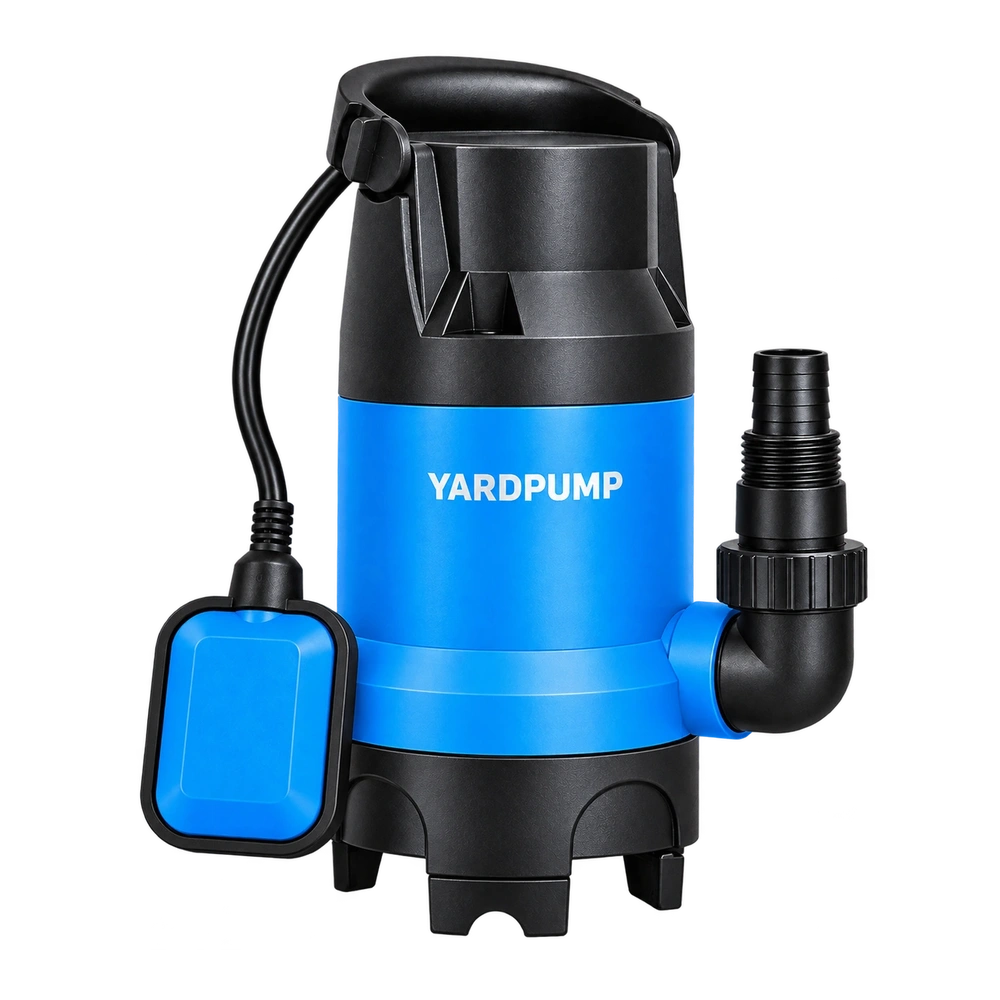
Modular clean/dirty-water option for flood and pit drainage.
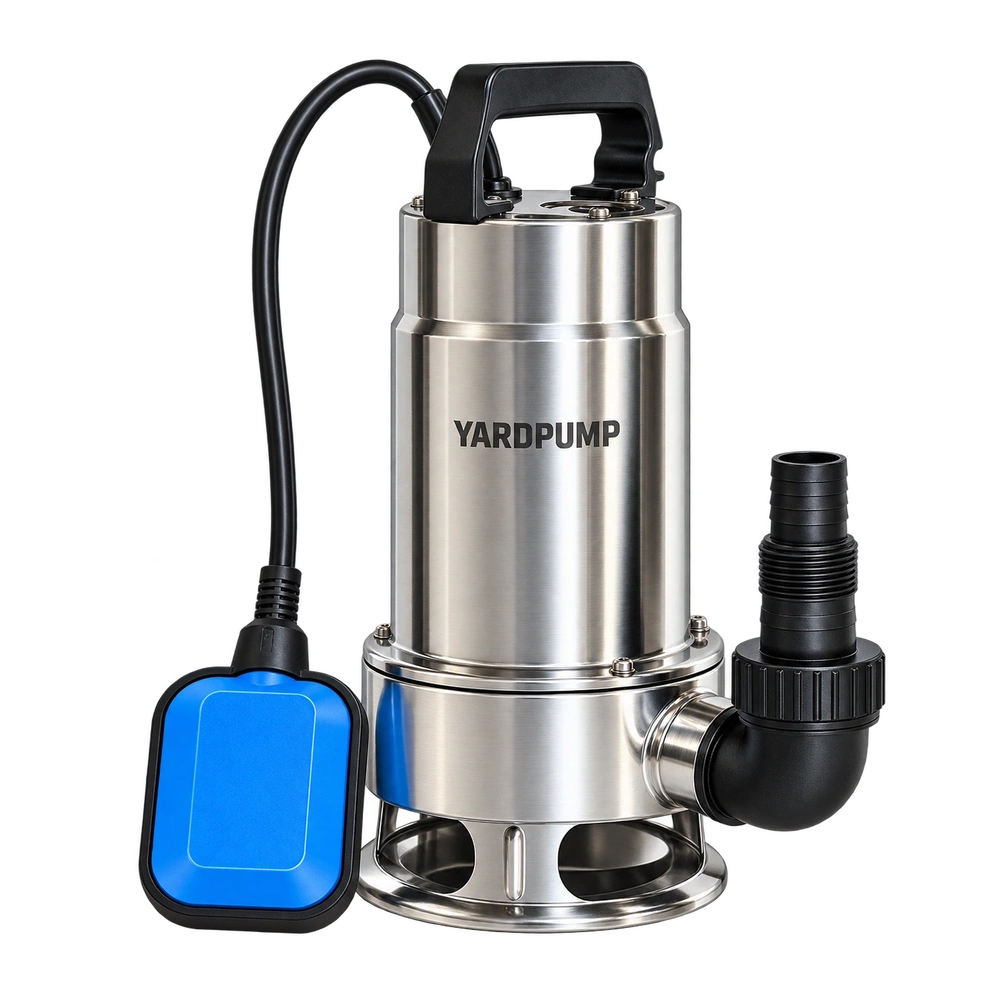
304 stainless-steel clean/dirty-water option for flood cleanup.
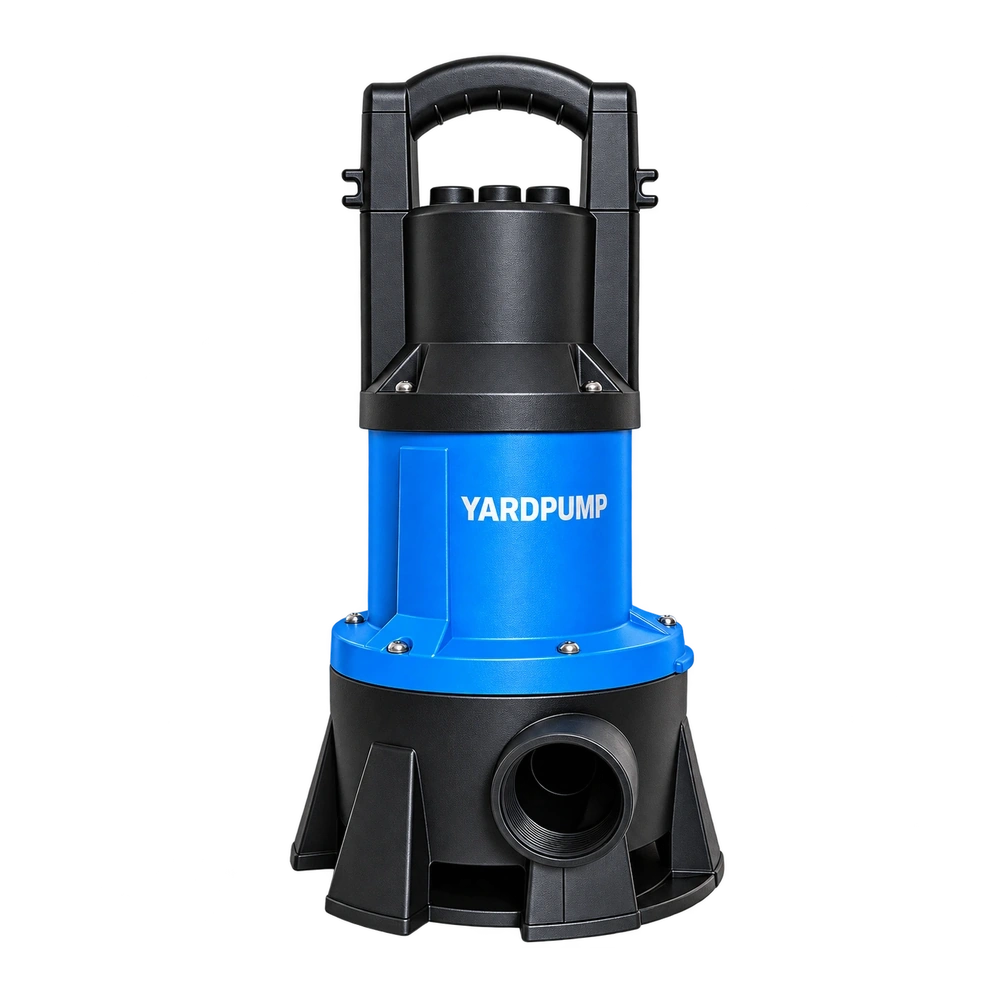
Higher-volume flood removal with listed max flow 15–23 m³/h.
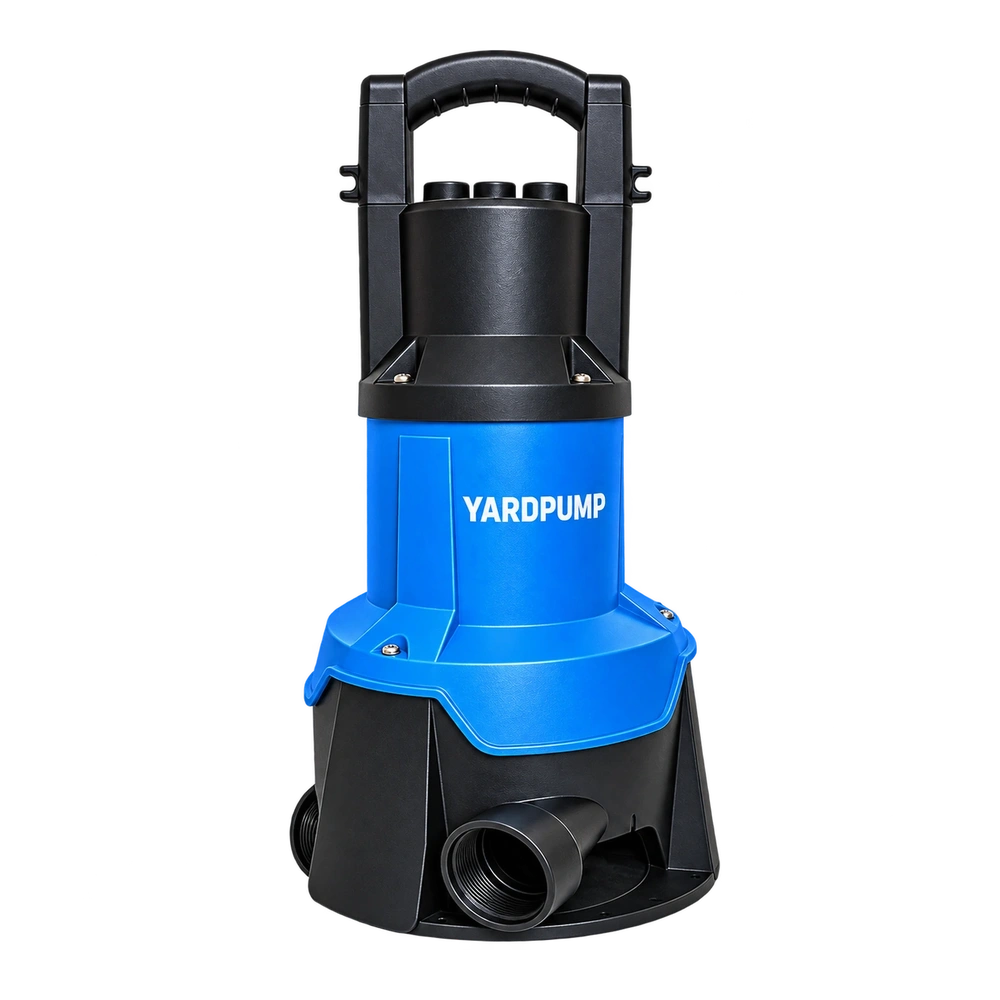
High-flow dirty-water models with listed maximum flow rates of 23–28 m³/h and maximum heads of 11–15 m, depending on the version.
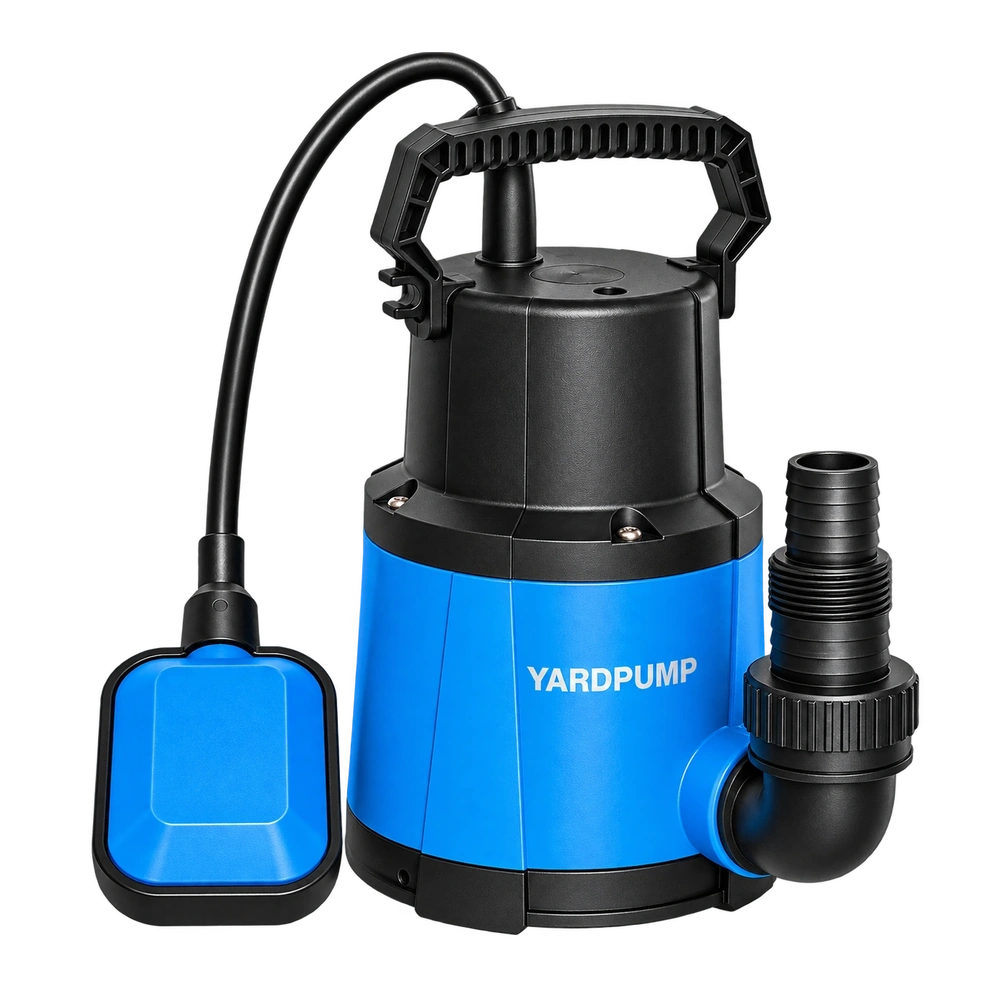
Clean-water finishing with a published 7 mm residual-water level and about-1-cm start level.
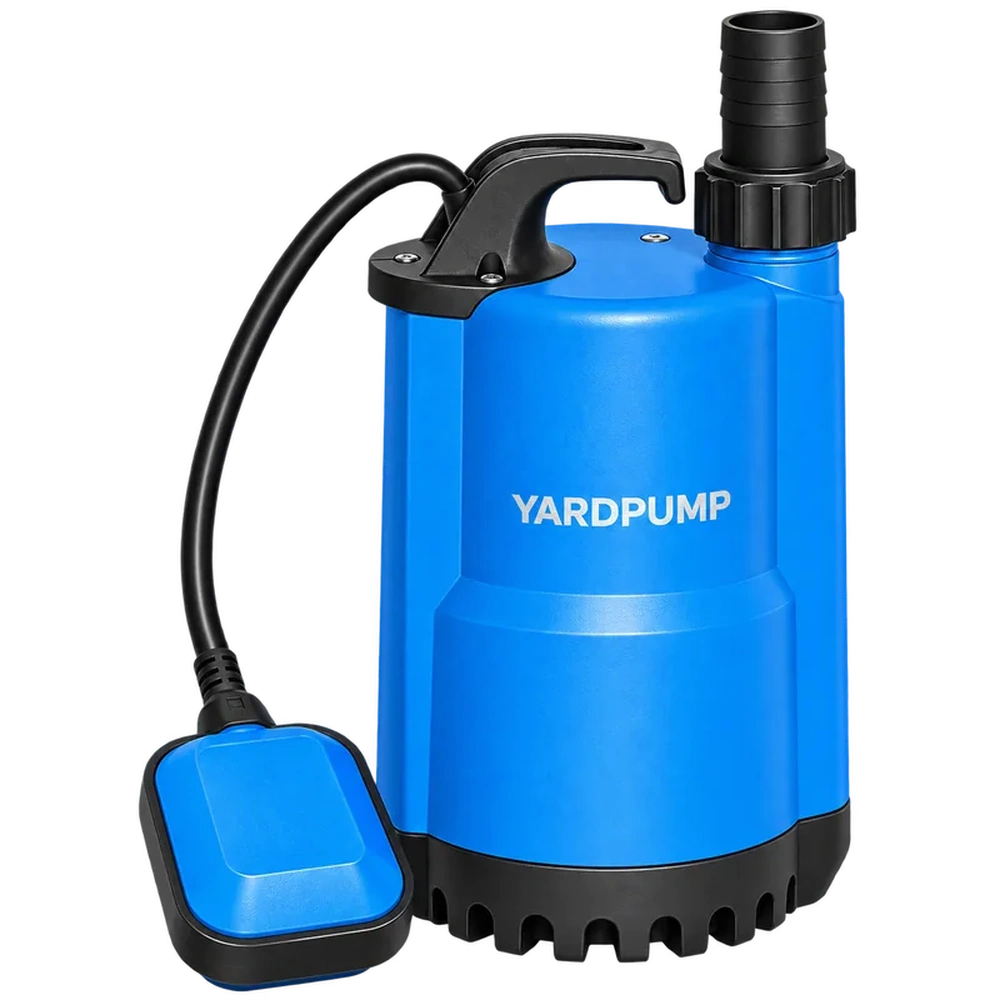
For low-level clean-water drainage, with a listed residual water level of 10 mm and a starting water level of about 1 cm.
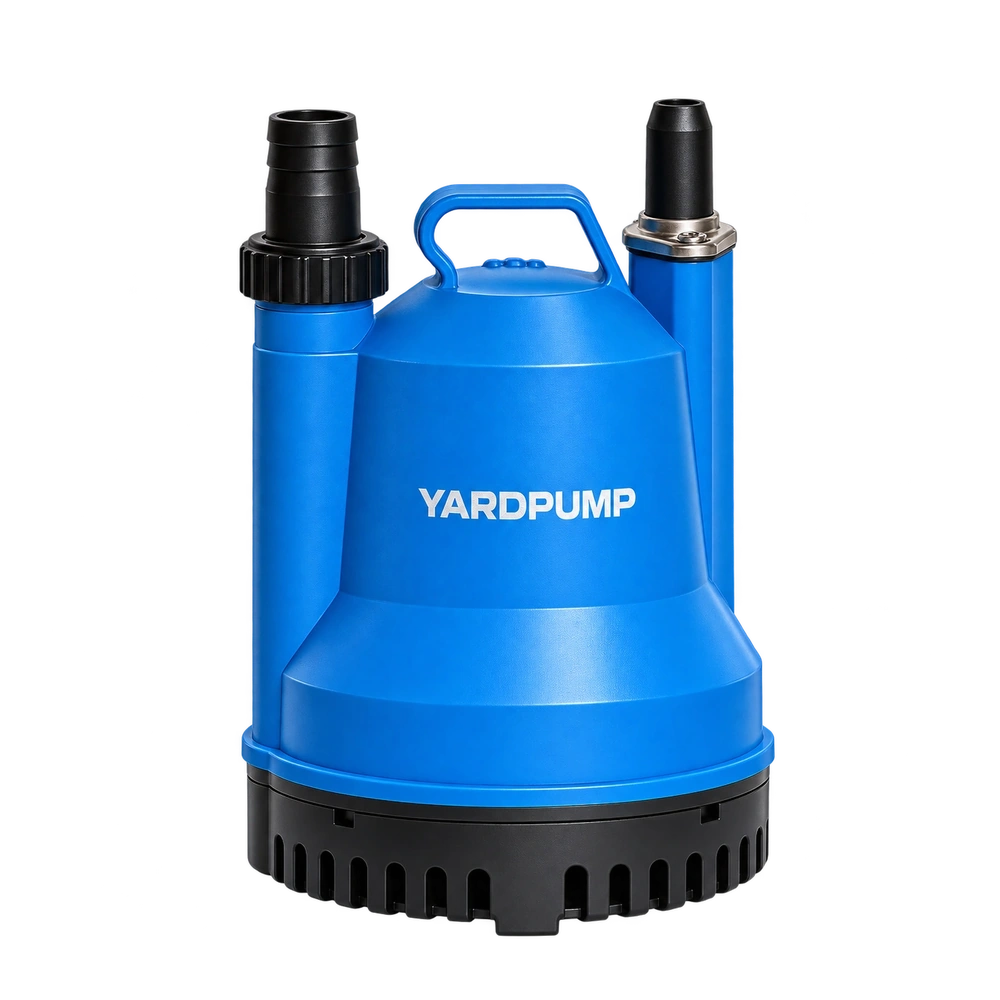
Portable clean-water finishing with a published 7 mm residual-water level and no float switch.
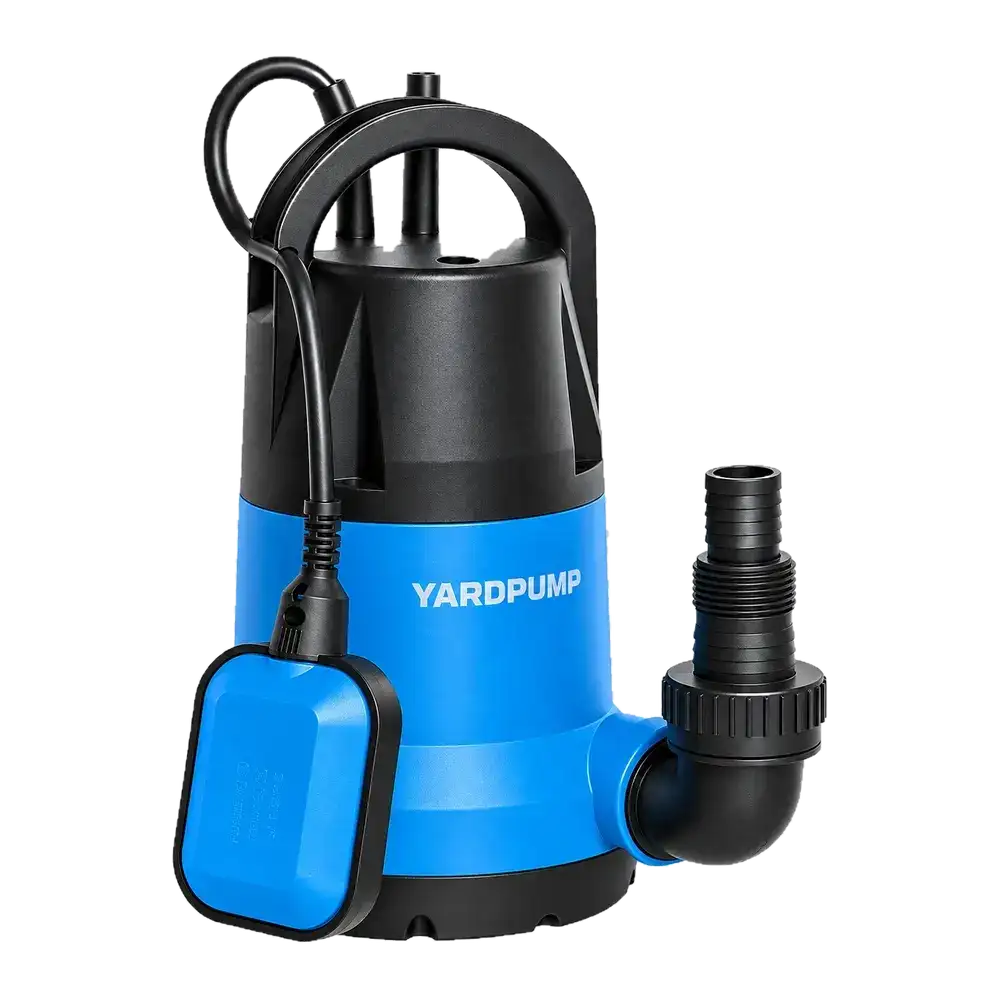
For clean floodwater or clear transfer within the documented 0.2 mm particle/soft-solids range.
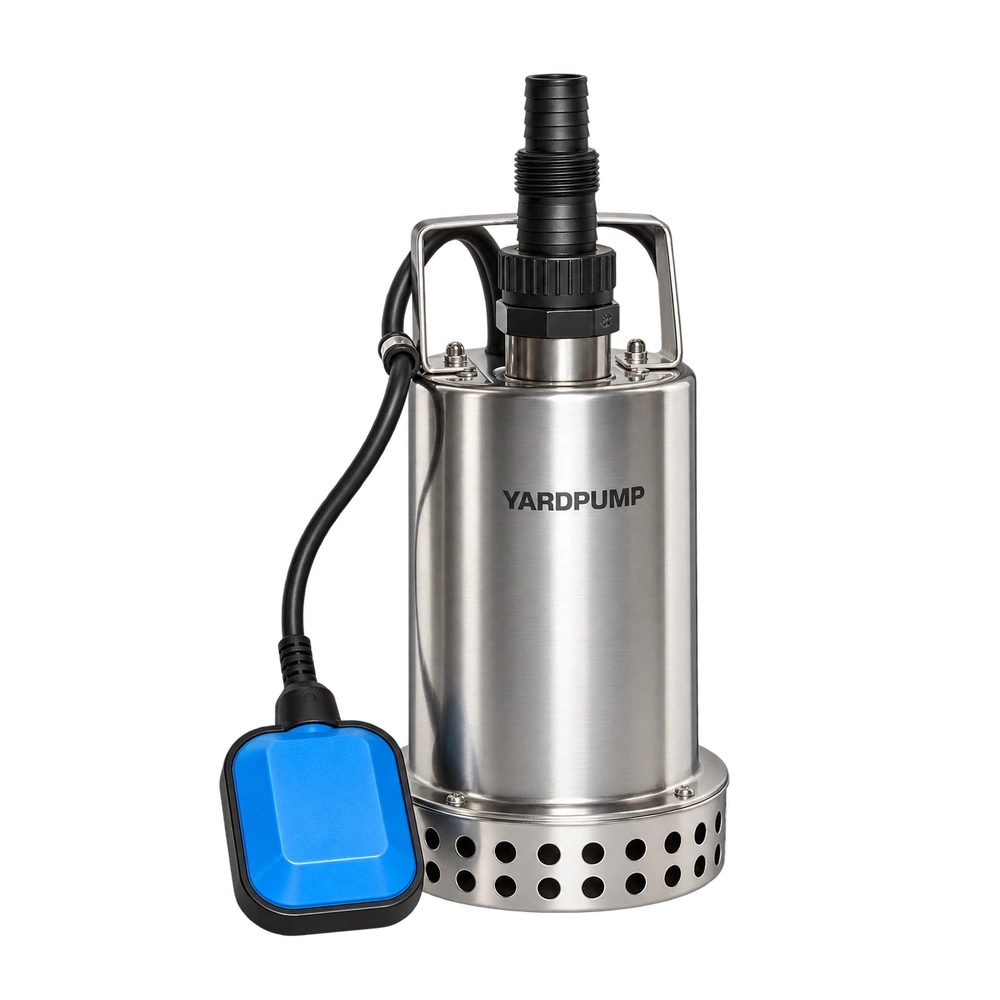
304 stainless clean-water family for clear-water finishing.
Selection Help
Send the water condition, hose route and how quickly you need to move the water. We’ll help you compare a suitable model and power version.
Common Questions
Get advice on electrical and structural safety first. When surrounding ground is saturated, rapid pumping can increase pressure on basement walls and floors. Follow local authorities and qualified recovery professionals.
Not necessarily. A pump suited to floodwater debris may leave a higher water level. Once the remaining water is suitable, a clean-water low-level pump may help with the final stage; some cleanup will still be needed.
Next Step
Describe the water, hose route and operating time. Add your quantity and destination market if you’re buying for distribution or an OEM project.
Send Your Requirements