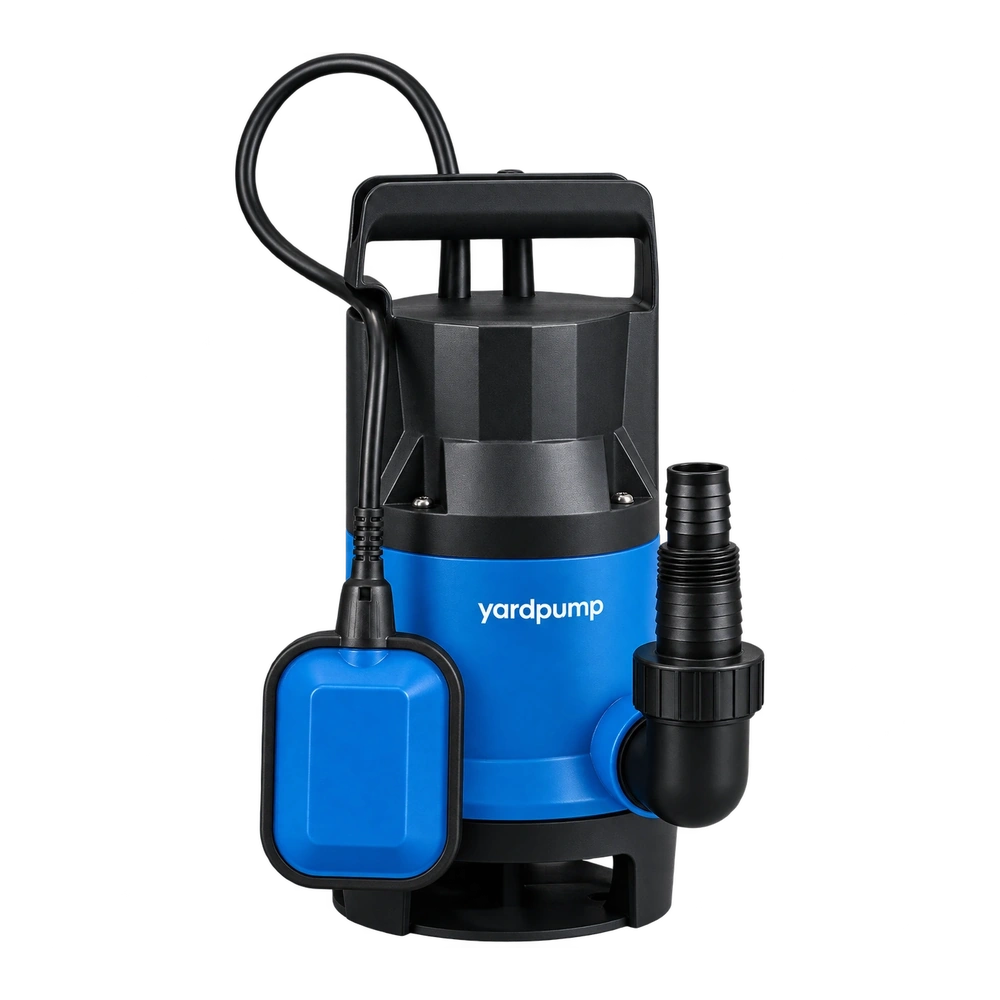
General Drainage
WQD-PA
Clean & dirty waterModular clean-and-dirty-water platform with a documented 5 mm soft-solids range for general drainage.
- Power range
- 200–750 W
- Max. head
- 5–9 m
- Max. flow rate
- 5–12 m³/h
- Residual water
- 90 mm
APPLICATION GUIDE
Choose by the water, solids and required flow. Compare models for removing standing water and transferring water through your installation.
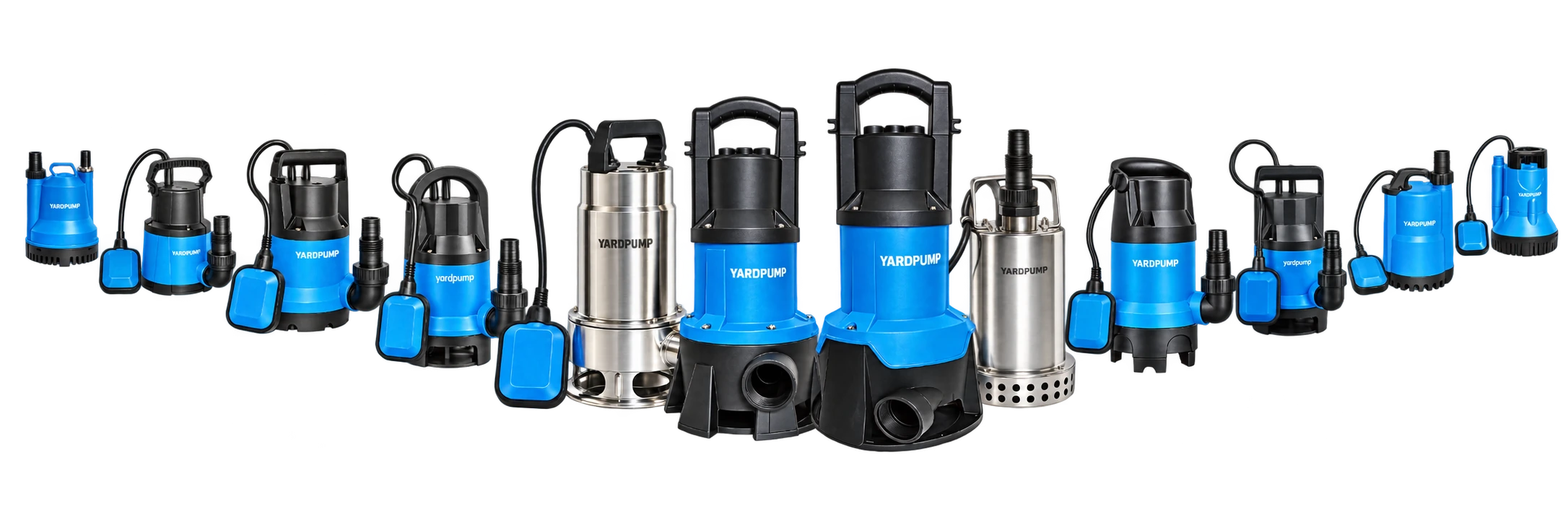
Selection
Water and Debris
Describe the water and the type and size of particles.
Draining Time
Estimate the volume and how quickly it needs to be removed.
Lift and Hose
Share the vertical lift, hose length and internal diameter.
Available Space
Check access, intake clearance and room for level controls.
Final Water Level
Decide whether you need bulk drainage or shallow-water cleanup.
Model Shortlist
Use these models as a starting point. Check the water limits, controls and performance curve for the version you choose.
Modular clean-and-dirty-water platform with a documented 5 mm soft-solids range for general drainage.
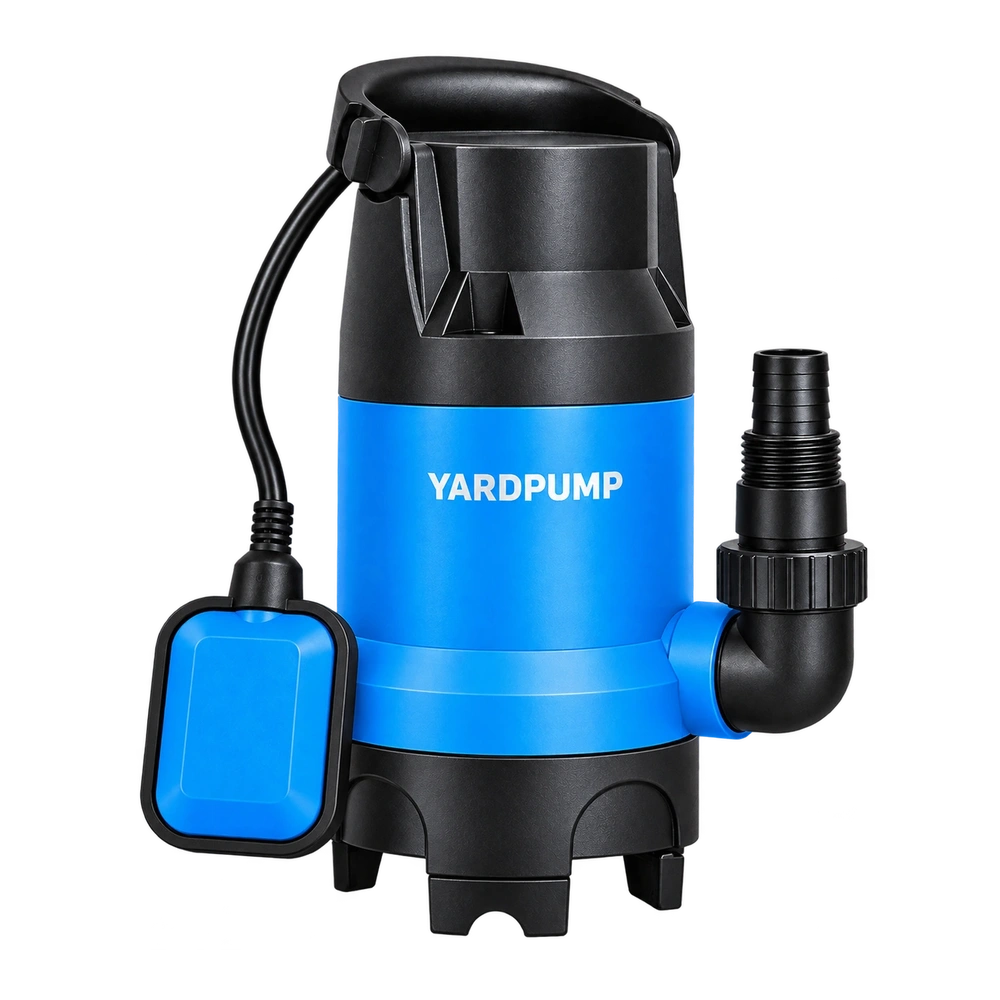
Alternative modular clean-and-dirty-water platform with the same documented 5 mm soft-solids range; use verified construction and project documents to distinguish it from WQD-PA.
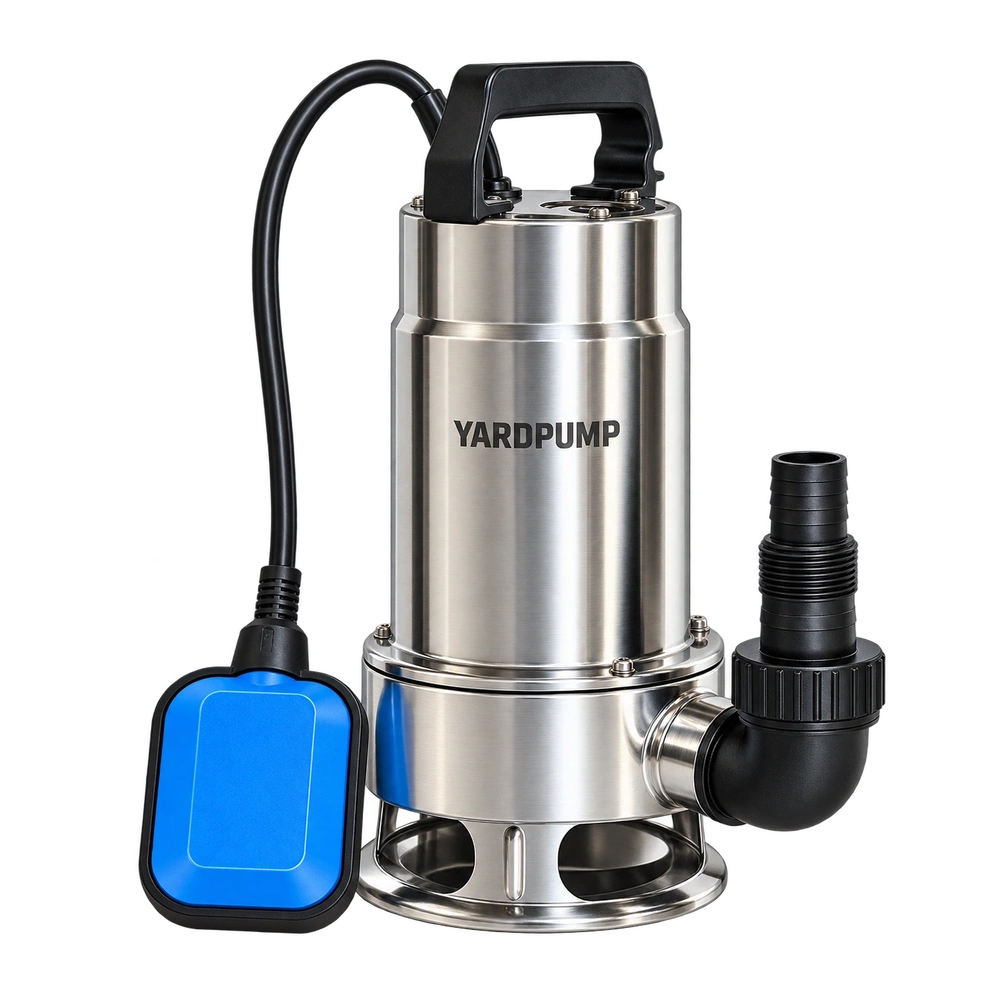
304 stainless-steel body with a documented 5 mm soft-solids range.
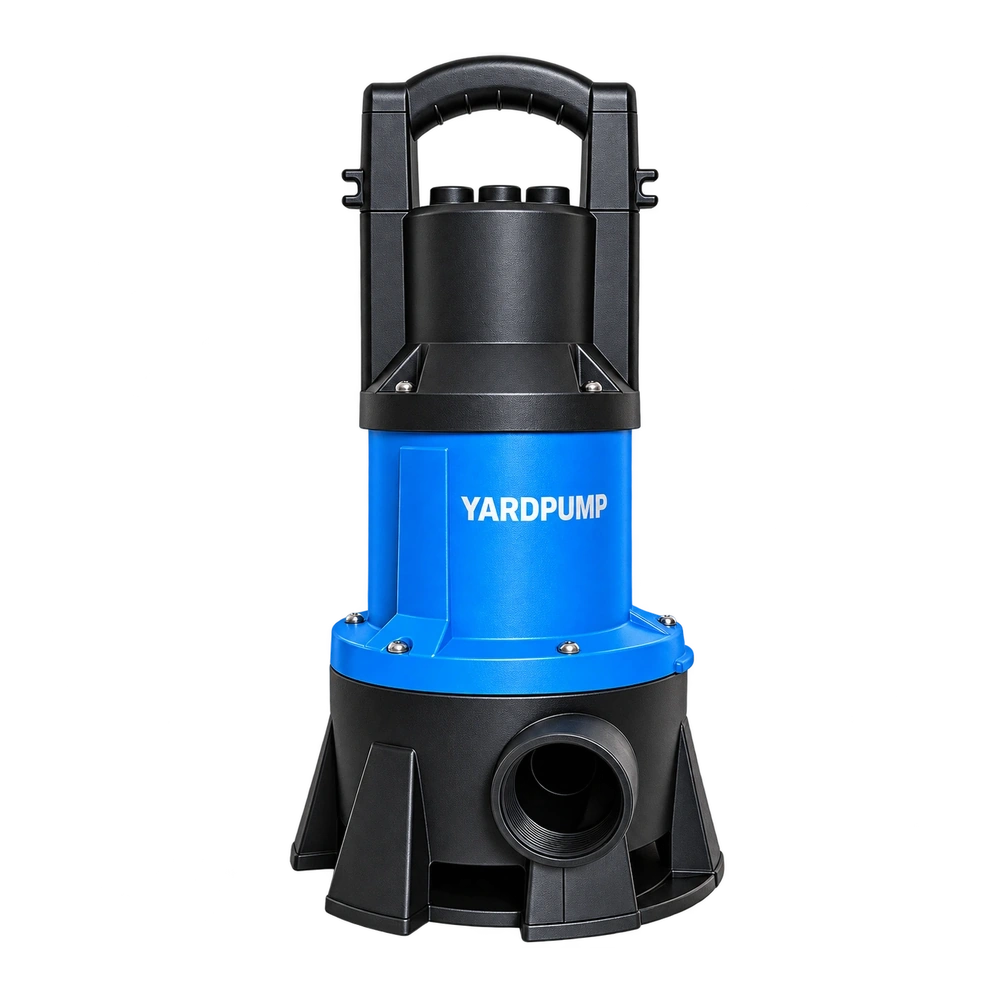
Higher-flow family with 8–12 m³/h rated flow and a published 15–23 m³/h Qmax range.
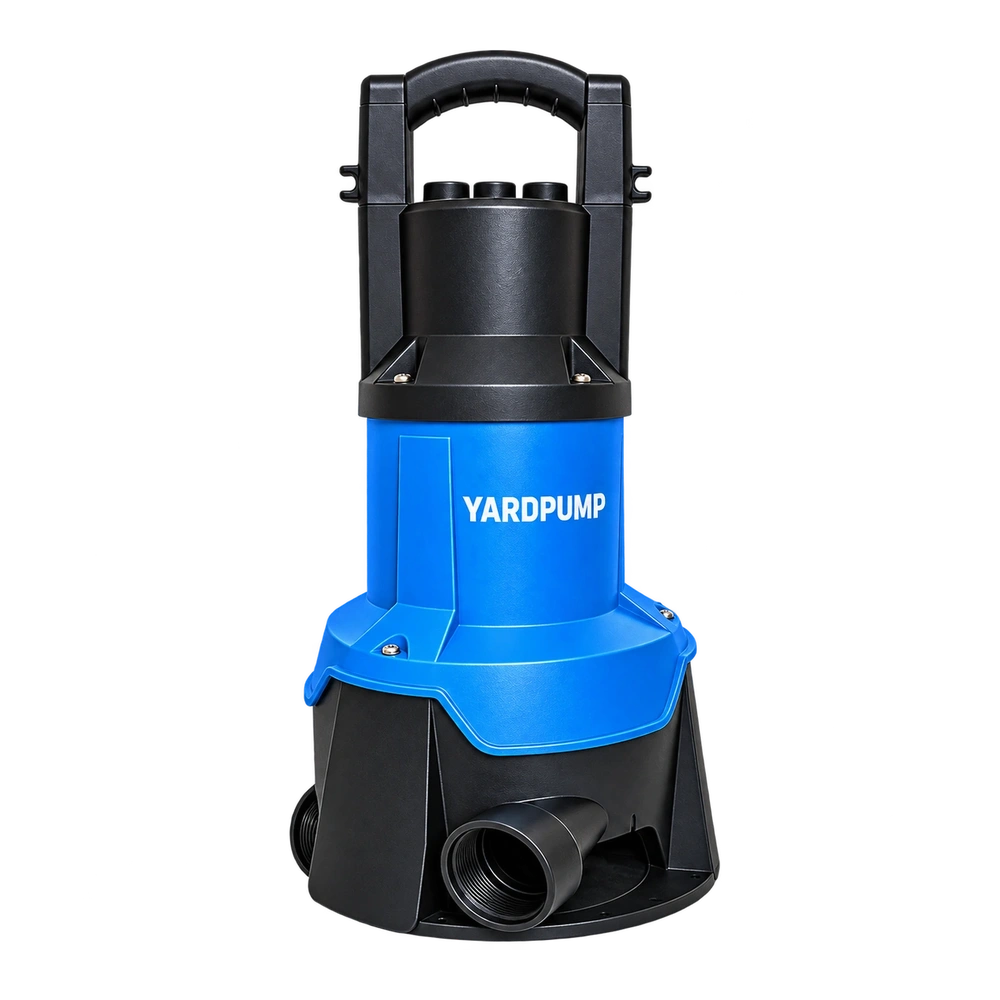
Current widest dirty-water envelope: 8–15 m³/h rated flow, 23–28 m³/h Qmax and Hmax up to 15 m.
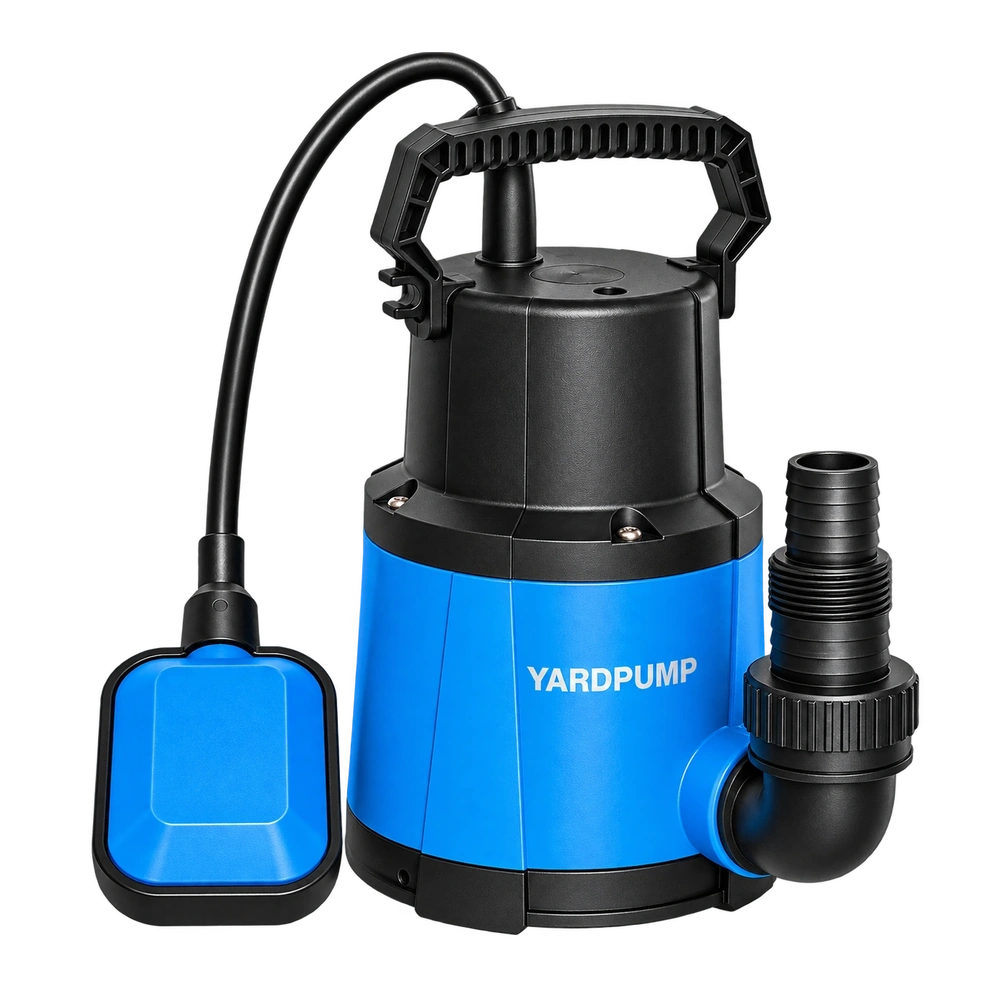
Clean-water finishing where the published 7 mm residual-water level is valuable.
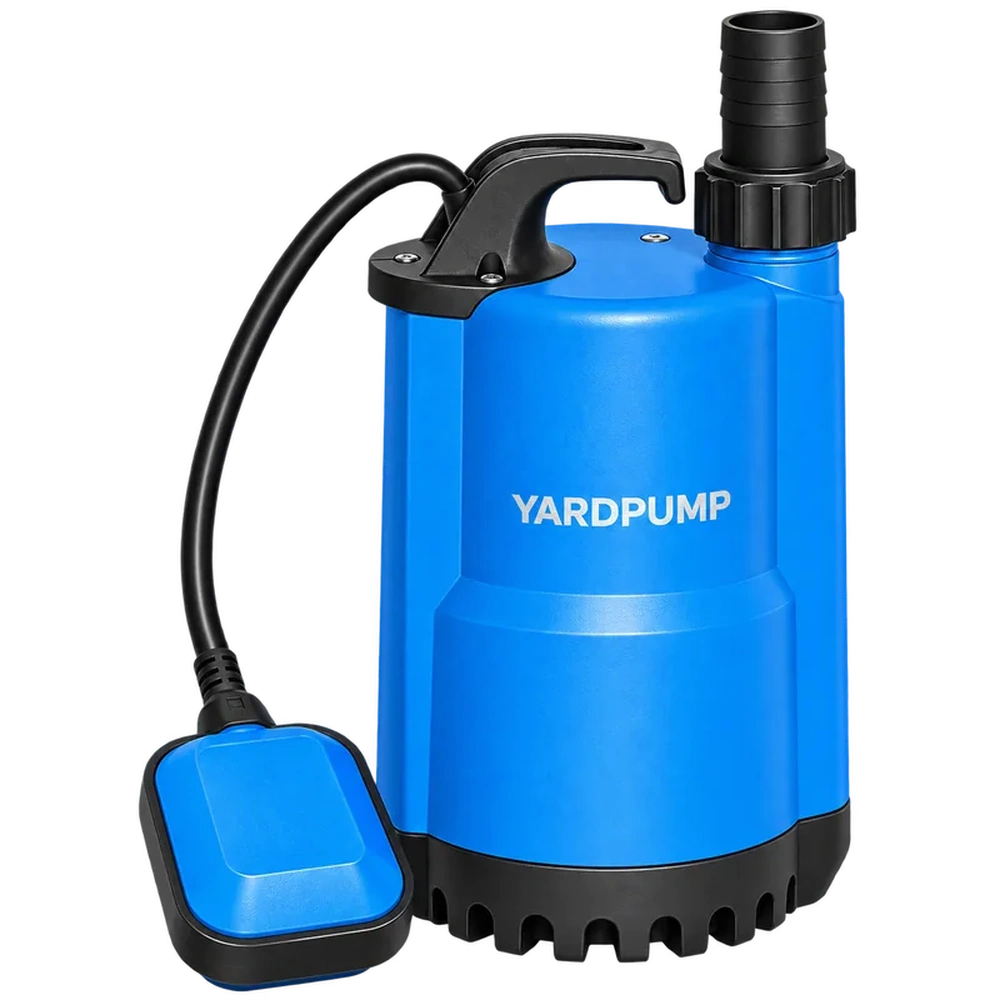
For low-level clean-water drainage, with a listed residual water level of 10 mm and a starting water level of about 1 cm.
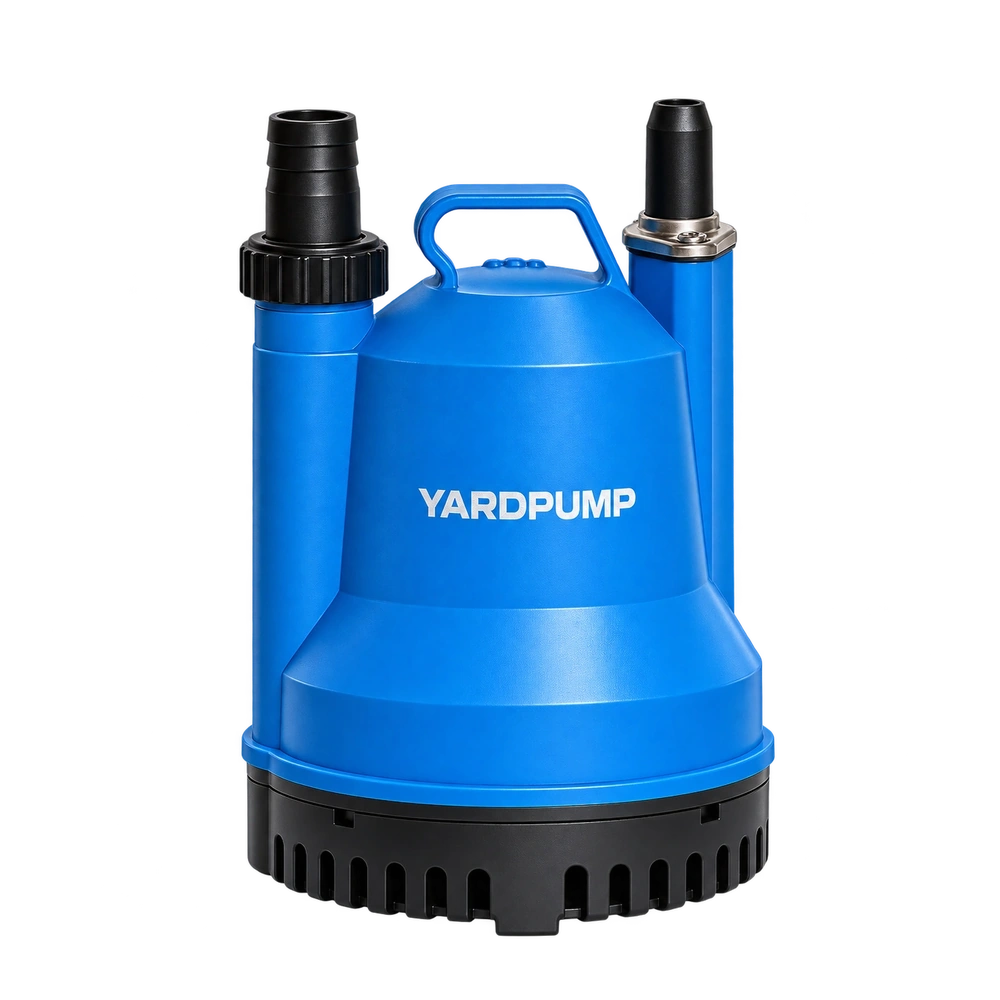
Portable clean-water finishing with a published 7 mm residual-water level; no float switch in the verified configuration.
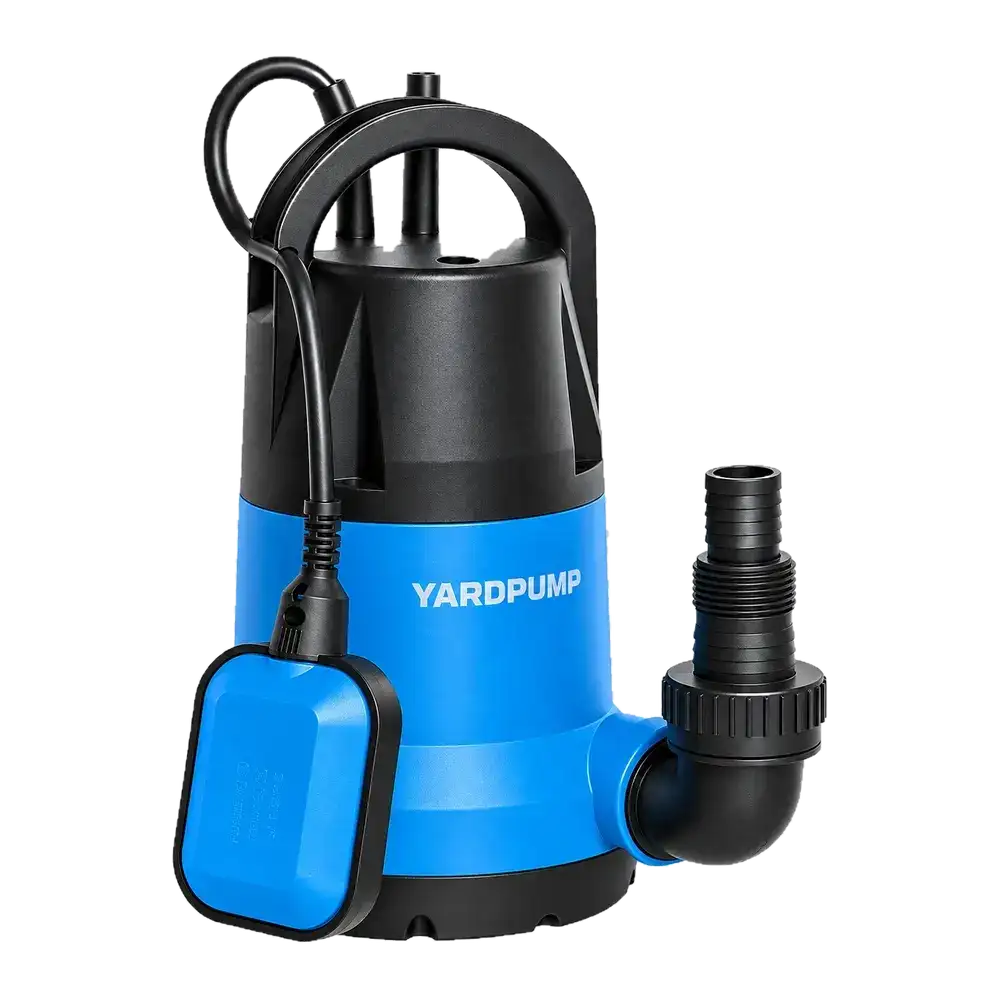
Clean-water transfer when the liquid stays within the documented 0.2 mm particle/soft-solids range.
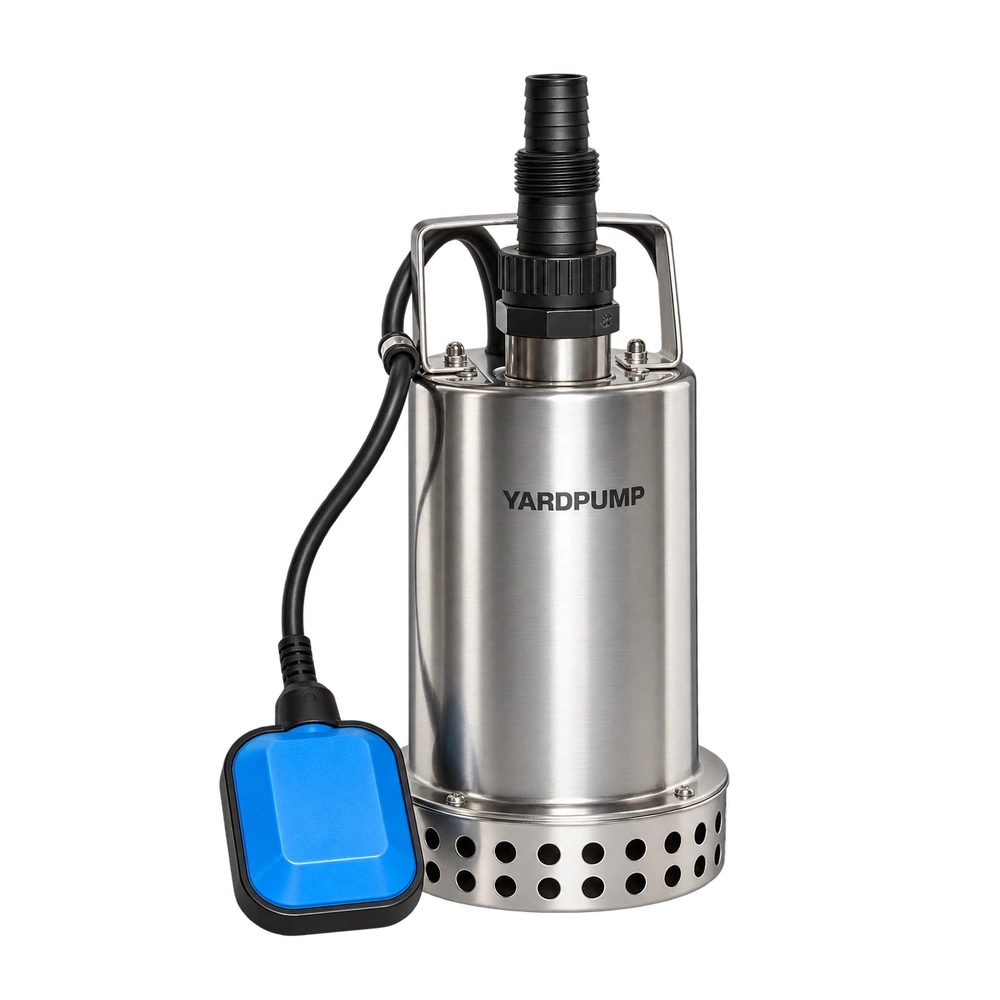
304 stainless-steel clean-water option with a listed residual water level of 10 mm.
Selection Help
Send the water condition, hose route and how quickly you need to move the water. We’ll help you compare a suitable model and power version.
Common Questions
Start with the debris in the water. Clean-water models have smaller particle limits; dirty-water models allow soft particles within their stated limits. Neither label alone confirms suitability for sand or fibrous waste.
Divide the water volume by the flow available in your installation. Use the pump curve at your working head, rather than maximum flow. Allow for changing water level and hose conditions.
Next Step
Describe the water, hose route and operating time. Add your quantity and destination market if you’re buying for distribution or an OEM project.
Send Your Requirements