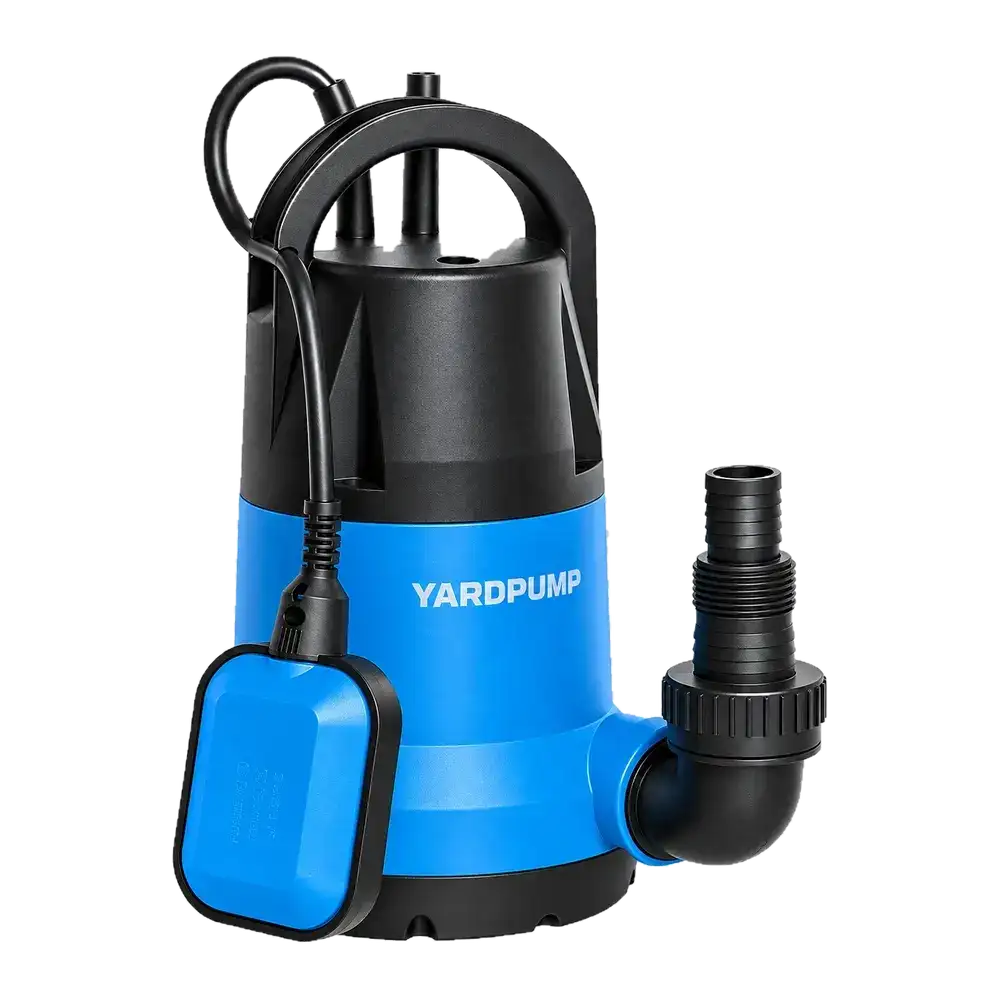
General Drainage
QDX-PA
Clean waterGeneral clean-rainwater transfer with automatic control and a published 10 mm residual-water level.
- Power range
- 200–750 W
- Max. head
- 5–9 m
- Max. flow rate
- 5–12 m³/h
- Residual water
- 10 mm
APPLICATION GUIDE
Stored rainwater and stormwater can carry different levels of debris. Start with the water condition, then check lift, hose length and required flow.
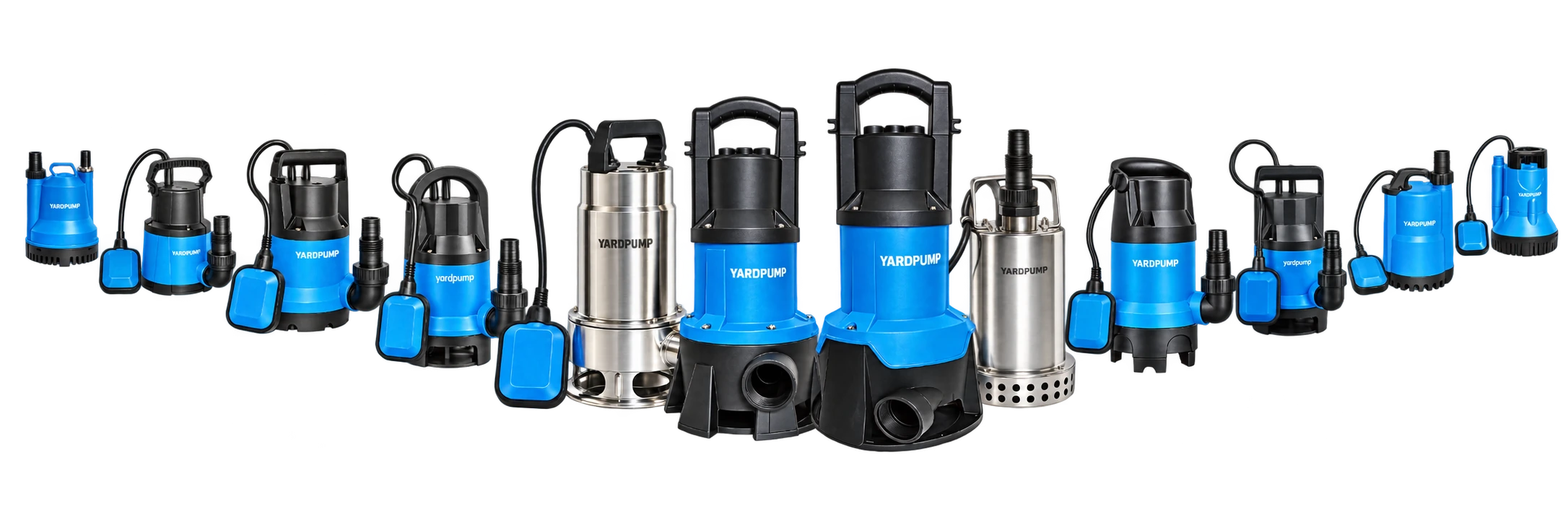
Selection
Tank Water
Describe sediment, leaves and any inlet screening.
Depth and Access
Check the 5 m maximum submersion depth, tank depth and the space available to place and retrieve the pump.
Discharge Height
Measure lift from the operating water level to the outlet.
Hose or Irrigation System
Include hose length, fittings and any pressure required.
Controls
Decide how the pump starts, stops and avoids running without water.
Model Shortlist
Use these models as a starting point. Check the water limits, controls and performance curve for the version you choose.
General clean-rainwater transfer with automatic control and a published 10 mm residual-water level.
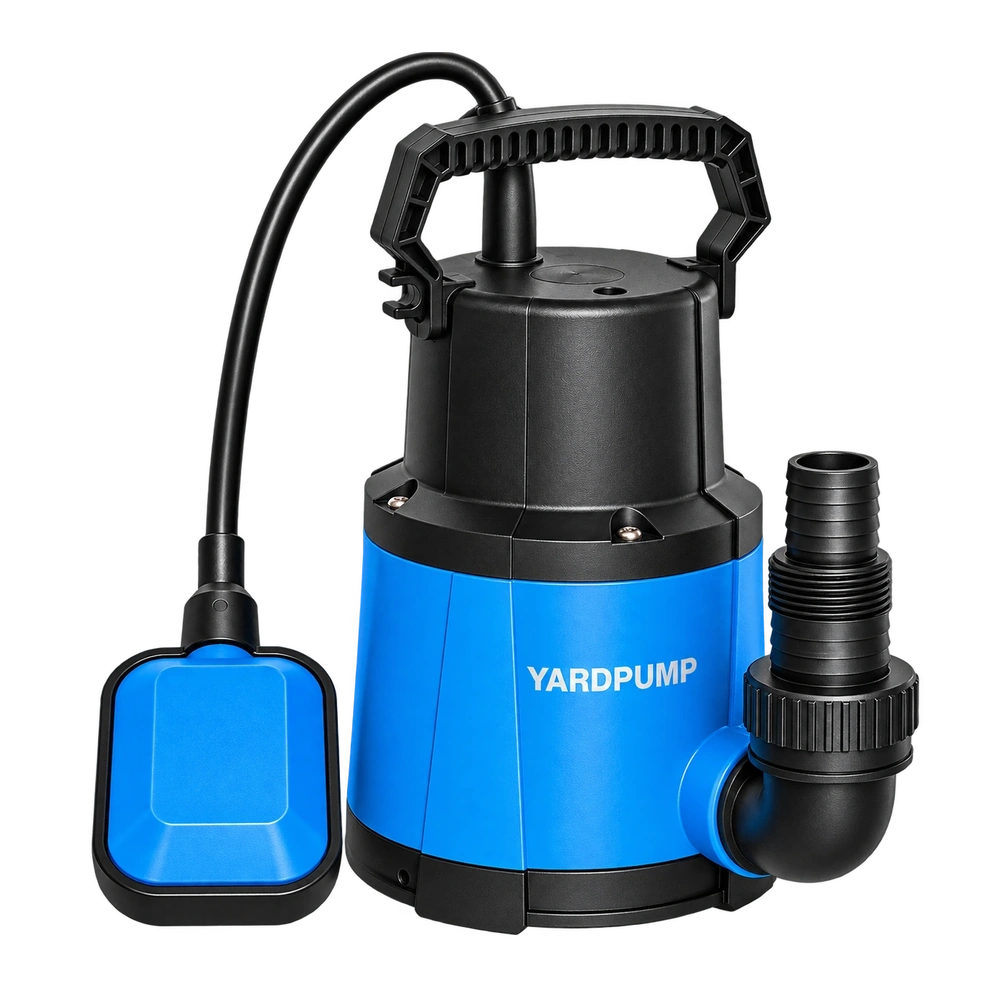
Clean-tank finishing with a published 7 mm residual-water level.
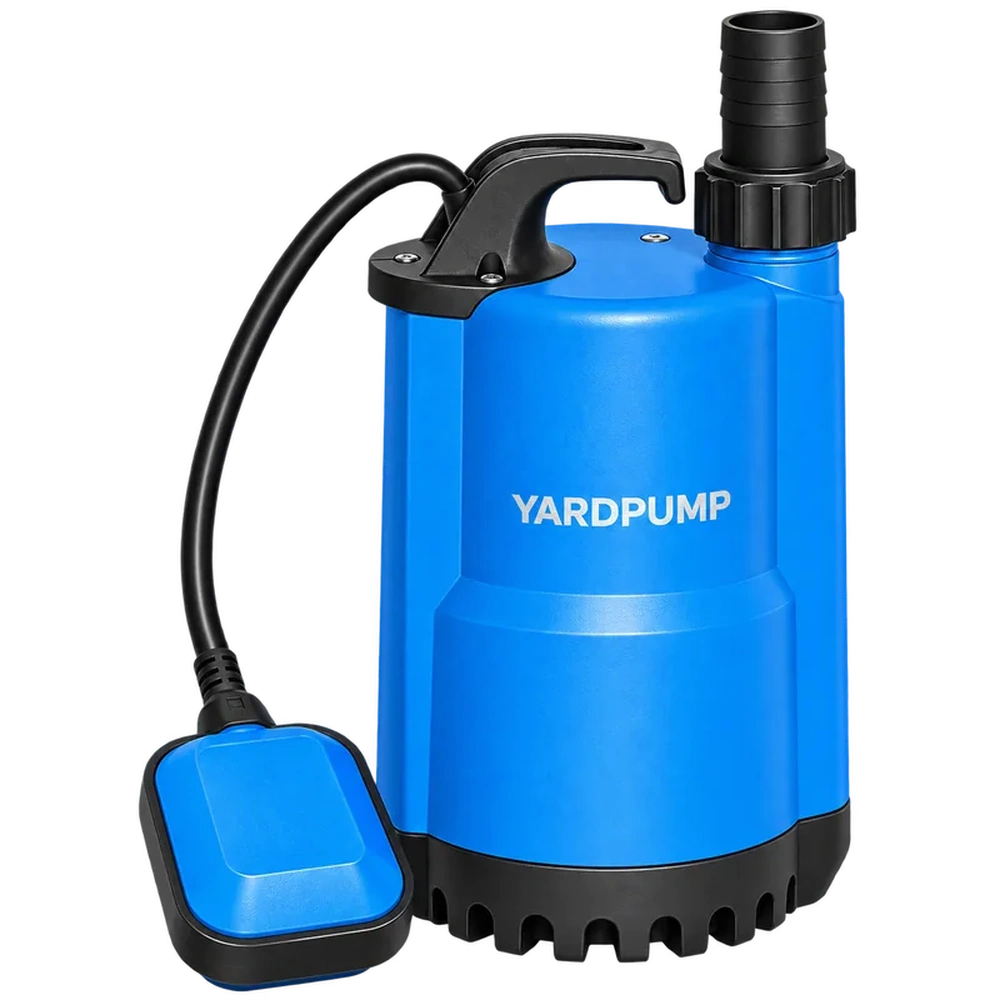
Clean-rainwater option with a published 10 mm residual-water level.
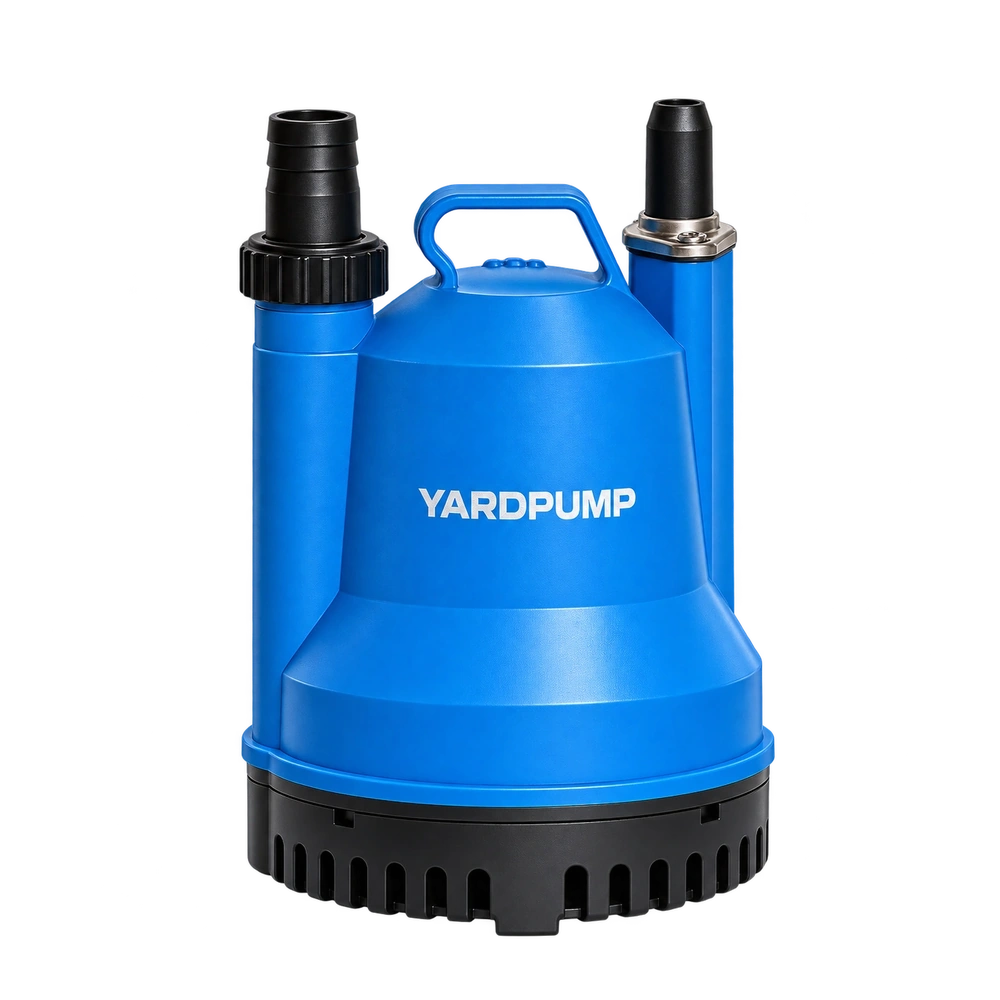
Portable clean-water option with a published 7 mm residual-water level and no float switch.
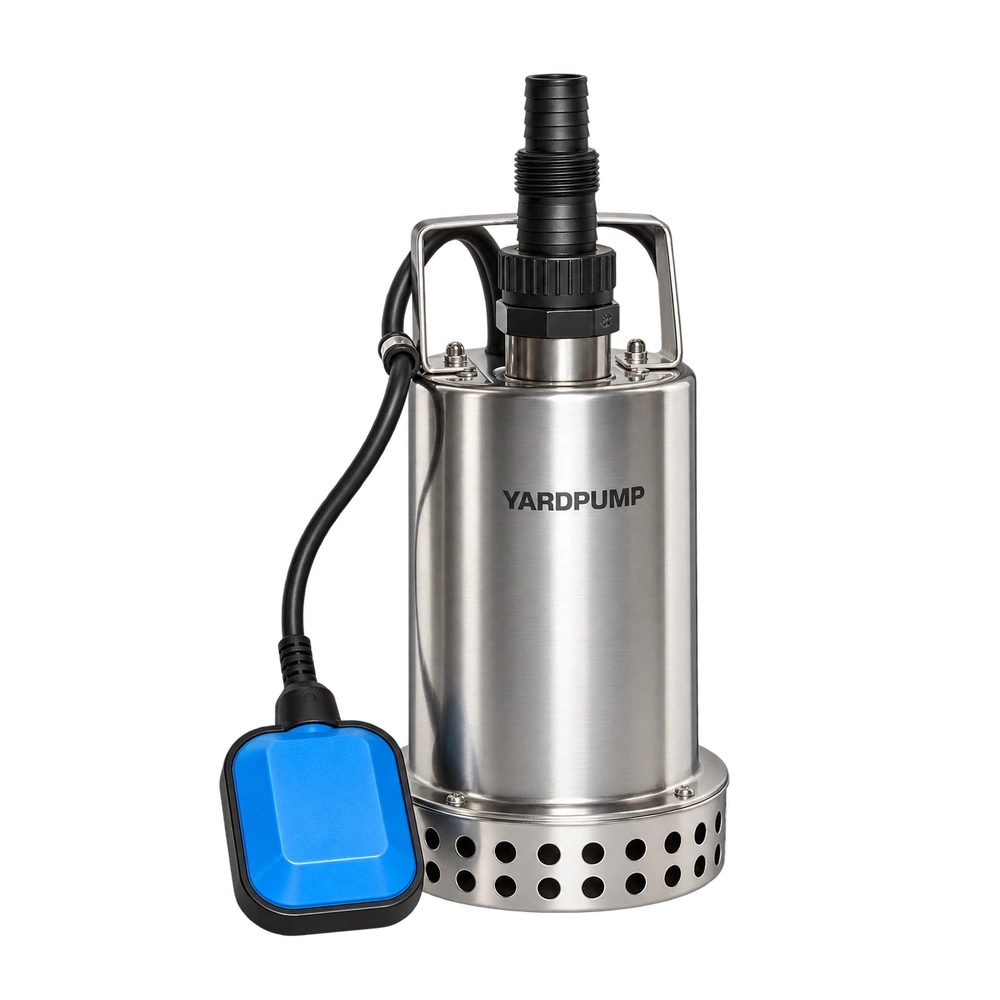
304 stainless-steel clean-water family for tank transfer.
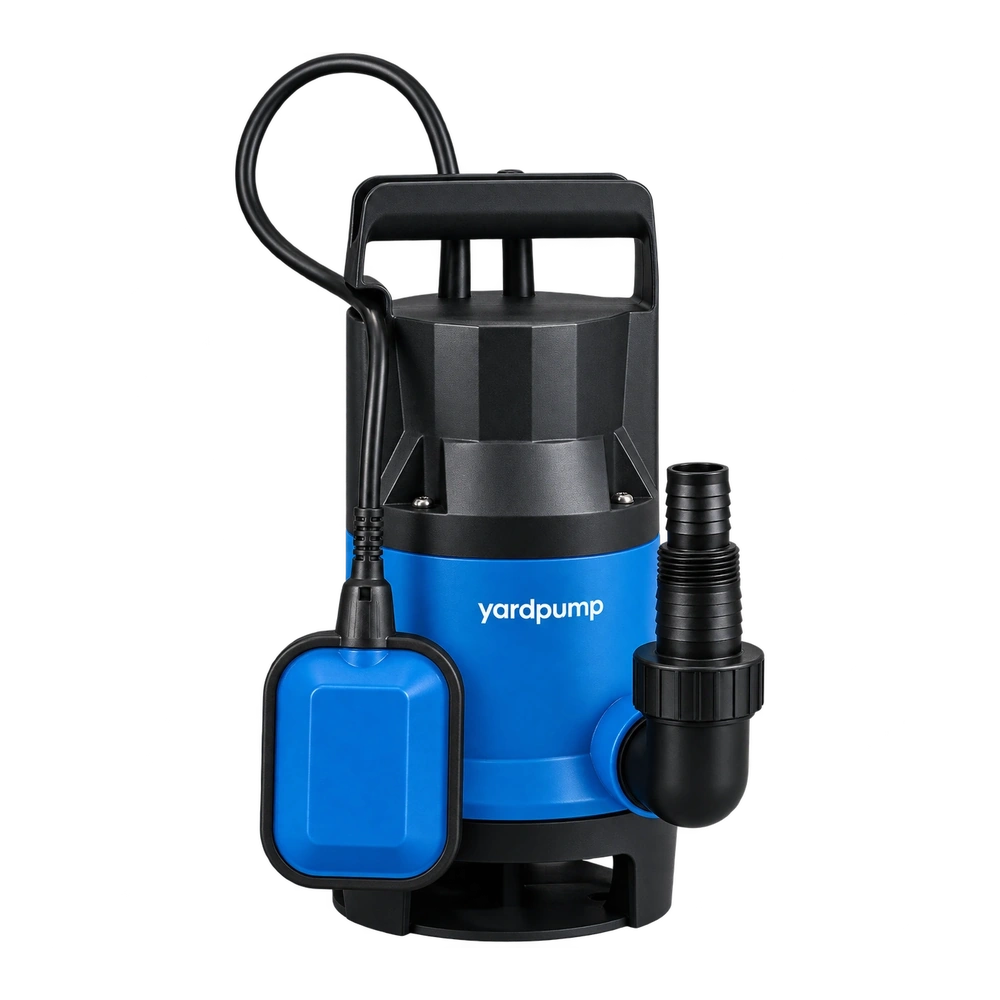
Use when rainwater carries soft solids / debris within the 5 mm documented range.
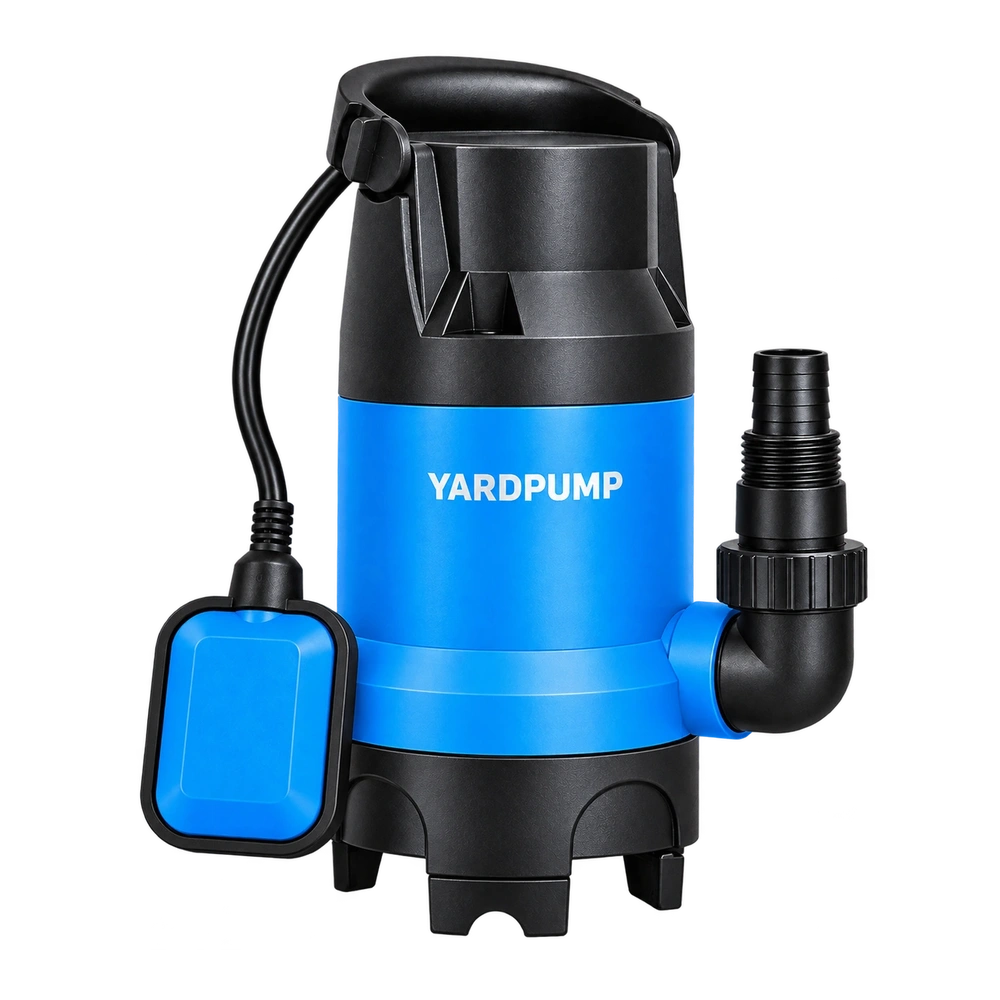
Modular clean/dirty-water option for debris-bearing rainwater.
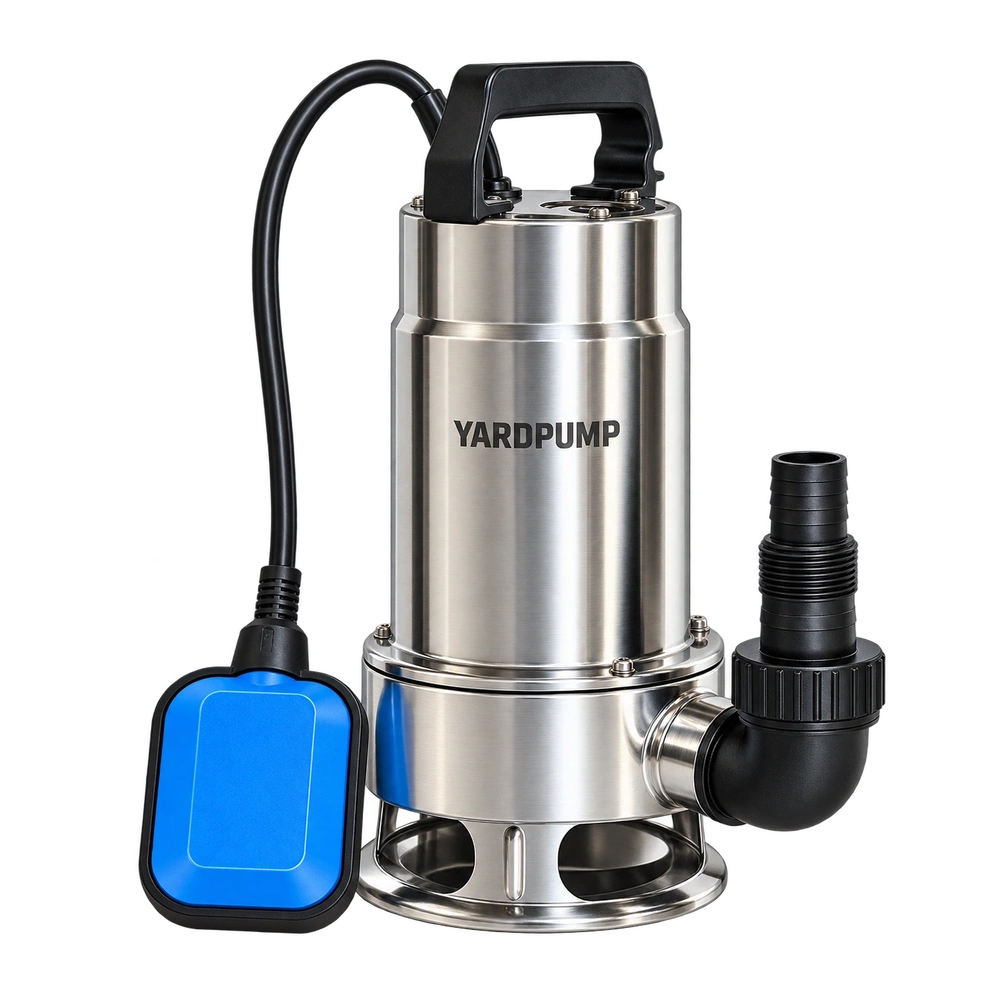
304 stainless clean/dirty-water option for debris-bearing water.
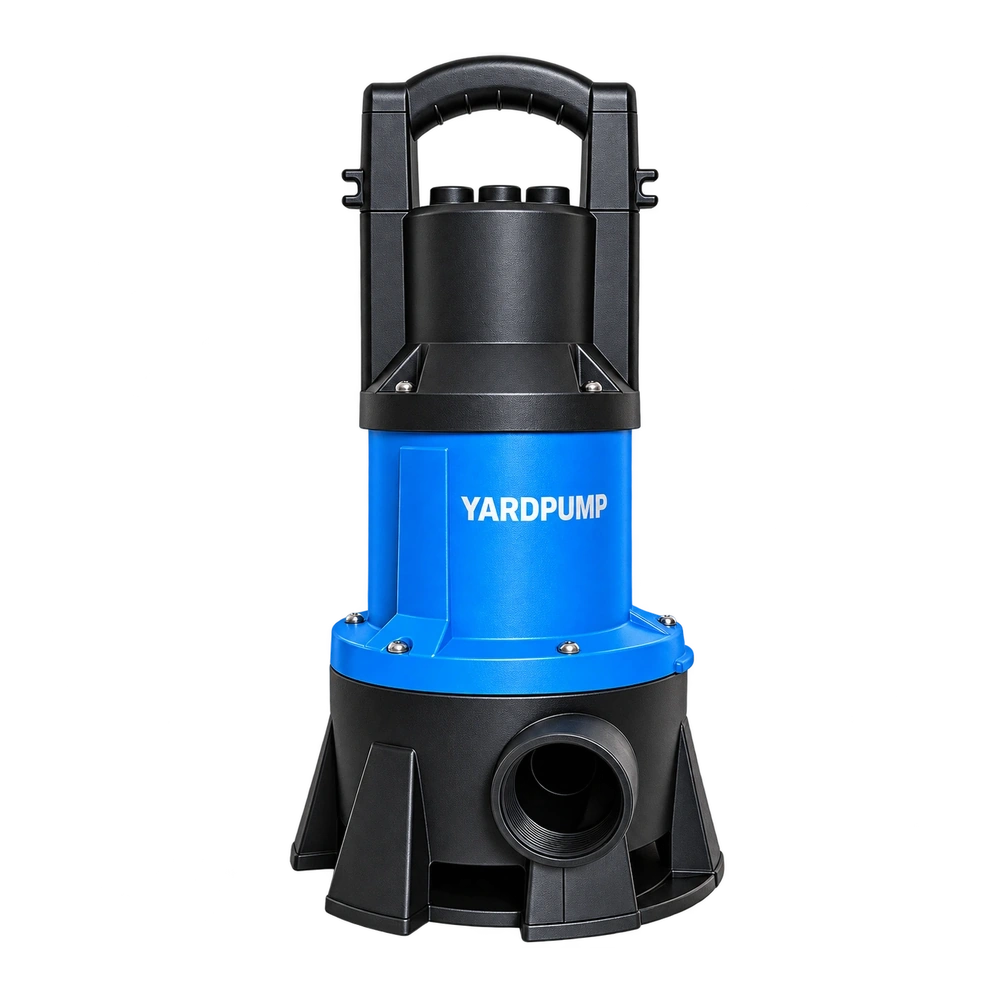
Higher-volume stormwater transfer with listed max 15–23 m³/h.
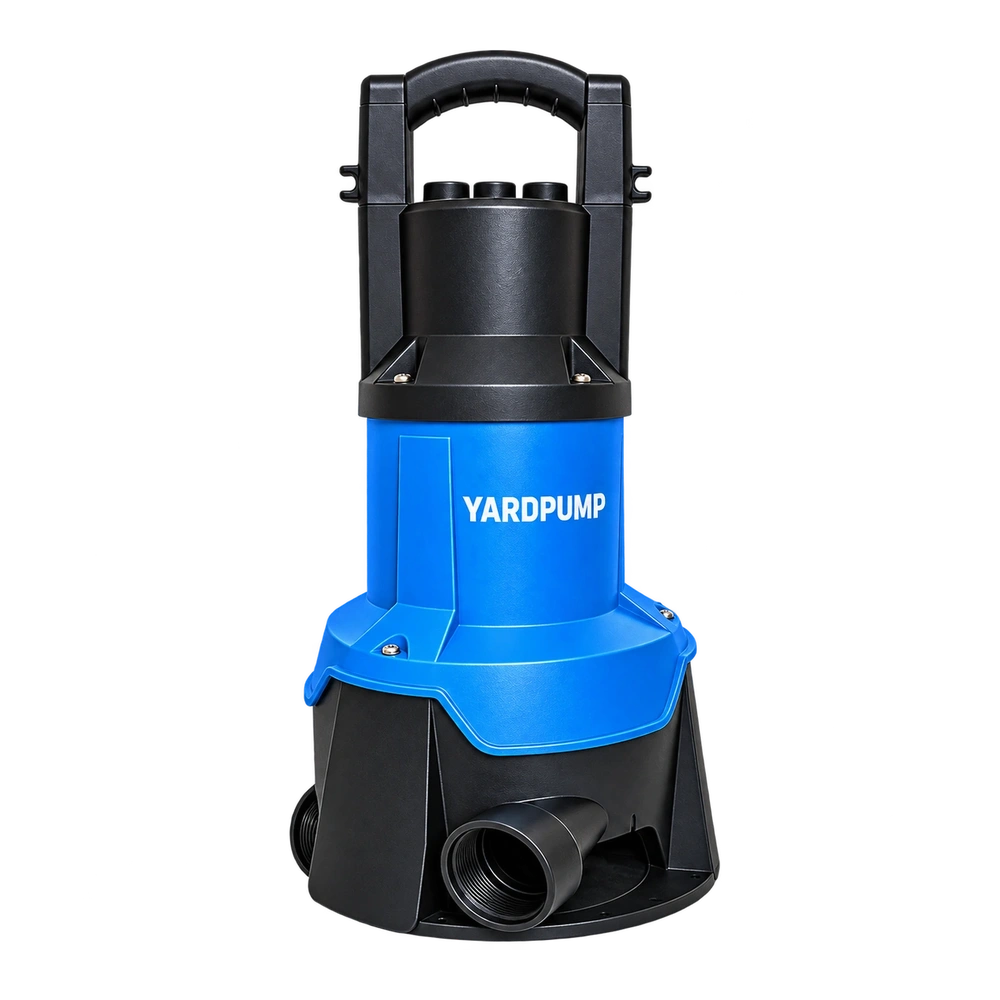
Higher-volume / higher-head stormwater transfer with listed max 23–28 m³/h.
Selection Help
Send the water condition, hose route and how quickly you need to move the water. We’ll help you compare a suitable model and power version.
Common Questions
It may be, if the water is screened and particles remain within the model’s limits. Tanks with sediment or leaves need a review of the intake and debris.
Check the sprinkler system’s required flow and pressure against the pump curve, including lift and hose losses. Some applications need a different pump type.
Next Step
Describe the water, hose route and operating time. Add your quantity and destination market if you’re buying for distribution or an OEM project.
Send Your Requirements