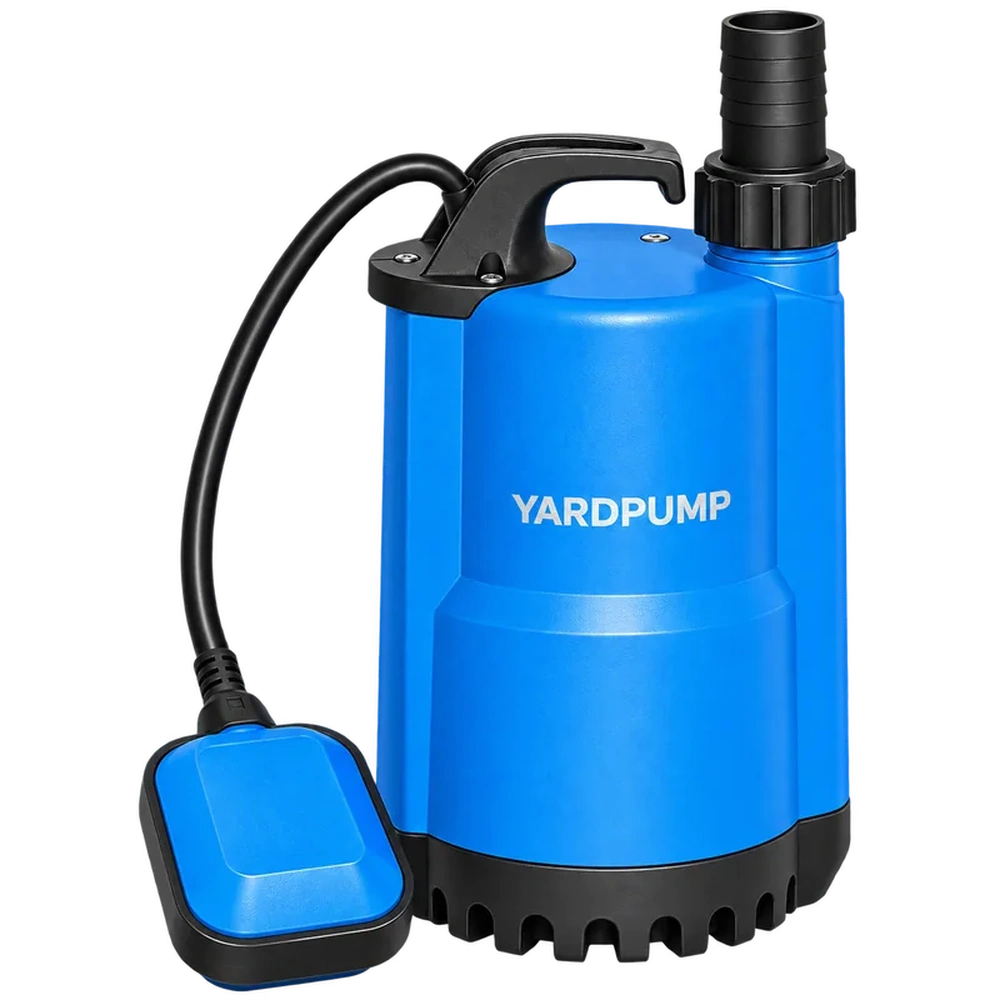
YARDPUMP BOM engineering
“If we upgrade to a famous bearing brand, will the pump become significantly more reliable?”
Bearing returns often get reduced to a brand question. SKF failure guidance shows a more complicated picture: contamination, poor lubrication, misalignment and mounting errors are major causes of premature damage.
A higher-grade bearing can improve process consistency, but it cannot survive indefinitely in a wet, misaligned or badly fitted motor.
Think of it like this
The bearing is a precision wheel living inside someone else’s environment
A high-quality wheel still fails quickly if the axle is bent, the road is full of grit and the lubricant is contaminated. Bearings behave the same way.
Their rolling surfaces depend on alignment, clean lubricant, correct fits and controlled load. The logo on the bearing cannot neutralize a bad housing or leaking seal.
This is why bearing upgrades should follow the failure mechanism, not precede it.
A composite warranty pattern
The “bad bearing batch” that was actually a water-ingress problem
Imagine several returned pumps with noisy bearings from the same region. The immediate reaction is to change bearing supplier.
Teardown reveals corrosion marks and contaminated grease. The true fault path begins at sealing or moisture ingress, then degrades the lubricant, then damages the bearing.
Changing to a more expensive bearing without stopping the water would simply move the failure date.
Contamination
Water and dirt can destroy the lubricant film long before the bearing “wears out”
SKF documents contamination as a major cause of motor-bearing failure. Solid particles can dent raceways, while water can degrade lubricant and promote corrosion.
Once the rolling surfaces are damaged, vibration and heat rise and fatigue can accelerate.
For a submersible motor, this connects bearing life directly to shaft seals, cable entry and assembly cleanliness.
Alignment and fits
Misalignment converts a precision bearing into a stress concentrator
SKF guidance notes that shaft-to-housing misalignment increases noise and reduces service life. Poor shaft fits, incorrect clearance or damaged mounting surfaces can create similar problems.
The bearing therefore has to match the shaft, housing and thermal behavior of the motor. A substitute with the same outside diameter is not automatically equivalent.
For OEM programs, series, seal type, clearance and approved supplier should be controlled with vibration and noise acceptance.
What QC should listen for
Noise and vibration often tell you something before teardown does
Golden samples can establish a normal vibration and acoustic signature. Changes in production units can reveal bearing damage, rotor imbalance or alignment shifts.
Inspection should also verify bearing markings, shaft play and temperature under endurance operation.
When a bearing fails, the investigation should ask what damaged it rather than automatically treating the bearing as the root cause.
Where bearing upgrades stop
Brand is not a replacement for system design
A premium bearing does not correct water ingress, excessive preload, rotor imbalance or a bent shaft. Conversely, a properly selected mainstream bearing can perform well in a controlled compact-pump duty.
Upgrade the bearing when load, temperature, clearance or process consistency justify it—not as a generic quality badge.
Engineering decision layer
What to lock before you approve this component.
The narrative explains why the decision matters. This reference layer turns that reasoning into BOM, validation and supplier-control points.
- Standard sealed/deep-groove ball bearings — economical and suitable when load, speed and temperature are comfortably within design limits.
- Higher-grade or branded bearings — offer tighter process control, lubricant options and documented load/life data, but are not a cure for misalignment or water ingress.
Bearing cost varies by brand, precision, seal type, internal clearance, grease and size. Upgrading two bearings can be a modest BOM increase compared with the cost of a field failure.
Bearings affect vibration, noise, rotor alignment and friction. Correct clearance and grease matched to motor temperature matter more than a higher-spec logo alone.
SKF examples show bearing life is highly sensitive to load, lubrication and operating conditions. Water ingress or shaft misalignment can destroy even a higher-spec bearing quickly.
Failures include grease degradation, water contamination, brinelling, overload, electrical damage in some motor types and misalignment.
Record vibration/noise, measure shaft play, confirm bearing markings on audit samples and run endurance tests at worst-case temperature.
OEM buyers should lock bearing series, seal type, clearance (where relevant), approved brands and vibration/noise acceptance criteria.
A bearing change must match shaft/housing fits, preload/clearance and temperature. Do not substitute solely on outside diameter.
YARDPUMP expert takeaway
Do not buy bearing reliability by brand alone. Keep water out, hold the shaft straight, control fits and lubrication, then choose the bearing that matches the real load and temperature.