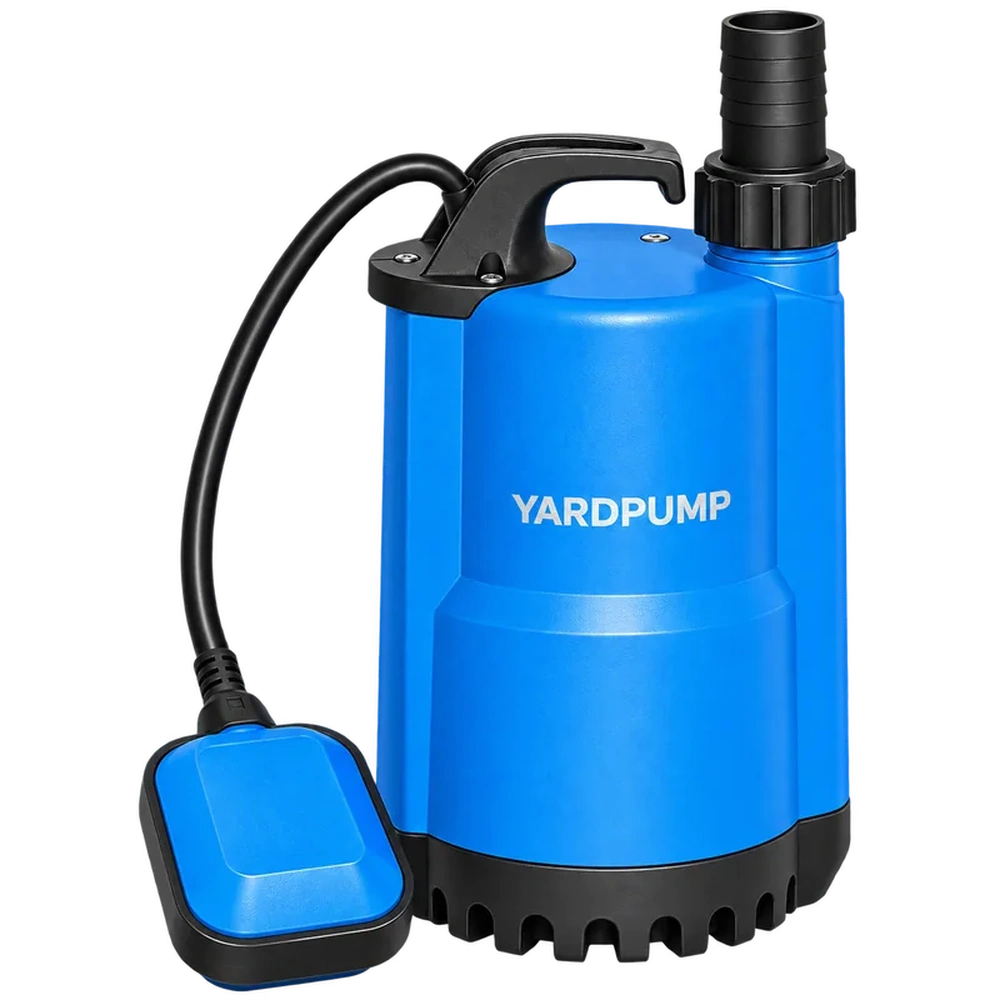
YARDPUMP BOM engineering
“If Class F can tolerate more temperature, should we simply allow the motor to run hotter than a Class B design?”
Insulation-class labels are often treated as a simple quality ladder. Motor manufacturers distinguish between the insulation system’s thermal class and the temperature rise at which the motor is actually designed to operate.
A higher insulation class gives thermal capability. Reliability is usually better when that capability becomes margin rather than a reason to increase operating temperature.
Think of it like this
Higher thermal class is a higher ceiling, not a target temperature
A building with a higher structural load limit is safer when normal use stays well below that limit. You do not add weight simply because the ceiling is higher.
Motor insulation works similarly. Class F materials can tolerate a higher thermal class than Class B, but running cooler can preserve more life margin.
The label matters most when combined with measured winding temperature rise.
A composite sourcing mistake
The supplier changed the sticker, but not the insulation system
Imagine an OEM asking for Class F and receiving a revised label while the wire enamel, slot insulation and varnish process remain unchanged.
The pump now has a higher-looking specification without a verified higher-class insulation system.
This is why B2B buyers should treat Class F as a system requirement and verify the materials and temperature-rise test—not the nameplate alone.
Thermal class versus temperature rise
The insulation system and the operating temperature are related but not identical
Nidec U.S. MOTORS explains that a motor can be built with Class F insulation materials while being designed to operate within lower Class B temperature-rise limits.
That creates useful thermal margin. It also shows why “Class F” does not automatically describe how hot the motor should run in service.
For compact submersible motors, the surrounding liquid, hydraulic load and starts per hour can all influence winding temperature.
The complete system
Wire enamel, slot insulation, varnish and moisture protection all belong to the class
An insulation system is more than magnet wire. Slot liners, lead insulation, impregnation resin and process quality all participate in dielectric and thermal performance.
Moisture, contamination, poor varnish penetration and repeated overheating can still damage a nominally high-class system.
For OEM validation, temperature rise and insulation-resistance or dielectric tests are more useful than marketing language.
Where margin creates value
The best Class F motor may be the one operating comfortably below the limit
Suppose a pump uses a Class F insulation system but runs at a conservative temperature under rated duty. That unused thermal capability can become resilience against hot ambient conditions, modest overloads or manufacturing variation.
By contrast, a motor designed to live continuously near its thermal ceiling has little room for blocked flow, voltage variation or poor cooling.
This is why thermal margin is an engineering asset even when the nameplate never advertises it.
Where insulation class stops
Higher class cannot compensate for a chronically overloaded motor
Wrong voltage, blocked hydraulics, poor cooling and operation outside the intended duty can still overheat a Class F motor.
Use insulation class as one layer of protection inside a motor that is correctly sized and thermally validated.
Engineering decision layer
What to lock before you approve this component.
The narrative explains why the decision matters. This reference layer turns that reasoning into BOM, validation and supplier-control points.
- Class B insulation system — widely used where motor temperature rise is controlled and duty is moderate.
- Class F insulation system — higher thermal class and additional temperature margin when the whole winding system is actually built and qualified to that class.
Class F materials and process controls can cost more, but the higher-spec may be modest compared with motor failure. The actual BOM change may include wire enamel, slot insulation, varnish and lead materials.
NEMA frameworks distinguish allowable temperature rise/thermal capability by insulation class; a Class F label does not mean a motor should be run hotter on purpose.
Using a higher-class system at a lower operating temperature can provide thermal margin, but moisture, contamination, poor impregnation and overload still limit life.
Failures include turn-to-turn shorts, ground faults, brittle insulation and moisture tracking after repeated overheating.
Use hipot/megger tests where appropriate, temperature-rise tests and destructive insulation inspection on validation samples.
B2B buyers should specify the entire insulation system and verify temperature-rise tests, not just request an “F-class sticker.”
Insulation-class changes can affect certification files and materials throughout the winding system.
YARDPUMP expert takeaway
Use Class F as verified thermal capability, not as permission to run hotter. The strongest specification combines the insulation system with measured temperature rise and good moisture/impregnation control.