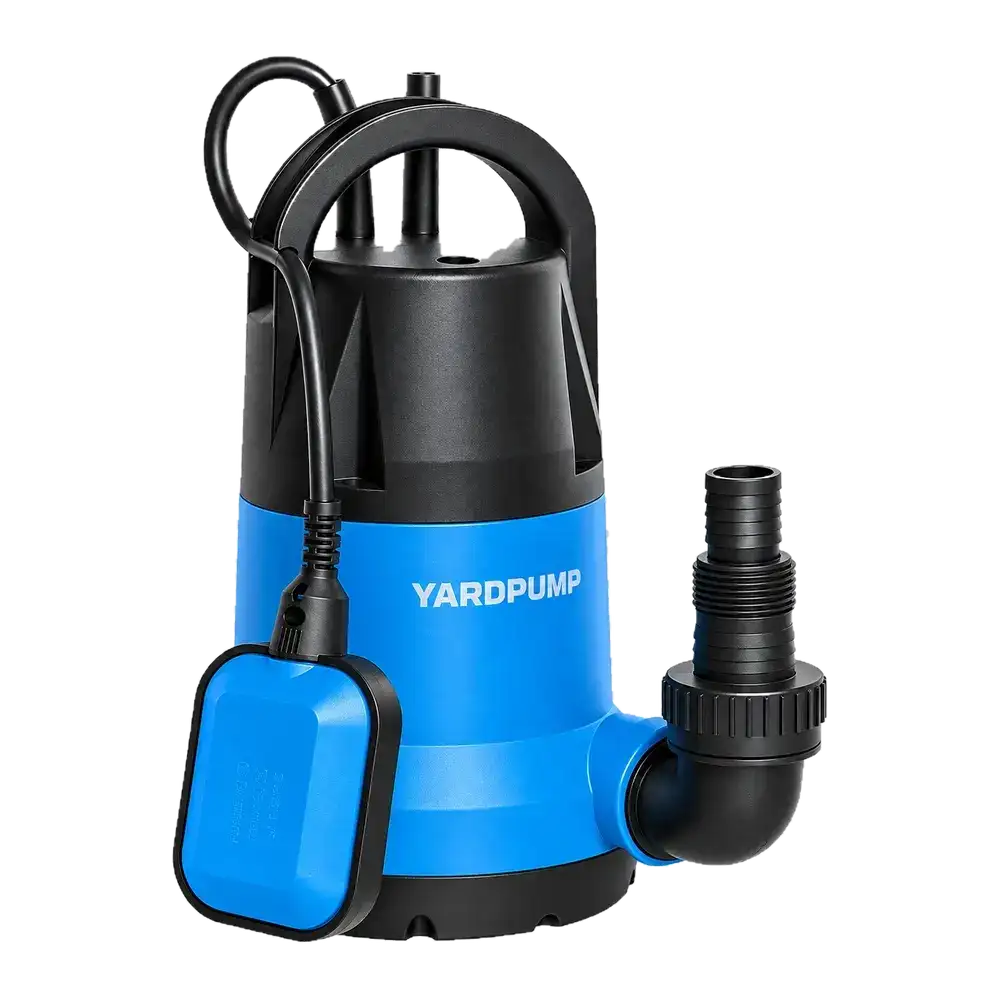
Imagine a low-flow test on a small clean-water pump. Water is visible in the outlet line, but the flowmeter and the report say zero. Do not assume the pump delivers nothing, or simply turn off the cutoff and issue another report. Verify that water is moving through the measured branch and find out whether the instrument or logger suppresses readings below a set threshold. No flow, inadequate measurement capability and suppressed flow are three different findings.
The reading can be zero even when water is moving
Some transmitters have a low-flow cutoff to suppress drift or noise near zero. Depending on the device and configuration, values below a threshold may be set to zero on the display, output or totalizer. A controller or reporting system can then apply its own deadband, lower limit or display rounding. Also check that the water you see actually passes through the meter. It might be in a bypass, return line or different branch. A current calibration certificate does not describe every setting on the day of the test.
Suppose an illustrative transmitter is configured for 0 to 100 L/min and its cutoff really is defined as 2% of that span. The threshold is 2 L/min. A separately verified flow of about 1.5 L/min can therefore produce a zero indication for the affected channel. On a different instrument, the same percentage label may mean something else. Confirm the basis, units, direction and any reset behaviour from the particular device. These values demonstrate the effect, not a pump rating or a universal setting.
Follow the value from the instrument to the report
Have bench personnel verify the branch, flow direction, bypass and whether the meter needs a full pipe. Bubbles or drips in a viewing window may not represent the branch being measured. Capture the parameter revisions, range, cutoff and units. Compare the local indication, any available raw output, controller value, totalizer and final report. If the instrument shows flow but the report says zero, inspect the controller deadband and rounding first. If the local indication is zero, check the transmitter setting and the verified lower range. Record the locations separately; replacing a meter will not remove downstream software suppression.
Where clean discharge can be collected safely, a known volume and a suitable timing interval provide an independent check of magnitude. Collecting 3 L in 120 seconds would, for example, give approximately 1.5 L/min. First consider collection losses, timing and changes in water level. A contract acceptance point needs a verified method capable at that low flow. A video or rough bucket check is not sufficient. Have the test owner isolate the bench and relieve retained pressure before changing connections. Do not open a pressurized hose or bypass to check flow.
Verify the setting as part of the measurement
An approved change might adjust the suppression threshold, change instrument range or use an independent test method. Lowering the cutoff can also expose random zero noise and false accumulation. Check zero flow, the required point and a neighbouring higher point under the instrument’s approved procedure. Confirm the reporting chain still agrees. Preserve before and after settings, units, measurement ranges and the set of tests affected. Keep the original data when issuing a verified repeat result.
If the requested point is below what the instrument and its installation can measure credibly, the method cannot decide that point. Arrange an appropriate measurement instead of recording zero as fact or rejecting the pump on that reading.
Frequently asked questions
Can a calibrated meter still suppress a real low flow?
Yes. Calibration does not remove suppression. Check the tested range, enabled cutoff and reporting settings as separate items.
If the display and totalizer both show zero, does that prove there is no flow?
No. Both may use the same suppressed signal. Check with a suitable independent measurement.
Does disabling cutoff make the result valid for acceptance?
Not on its own. Confirm that the point is in the verified range and check behaviour both at zero and at the intended flow.