The answer first
Separate three things before shipment: the pump itself, accessories promised inside the box, and fittings the customer must purchase separately. A pump can run normally yet trigger a return because a hose will not connect, the plug is wrong, or a connector shown in the listing is absent. That is not automatically a motor defect, but it is still a costly channel problem. The best prevention is a revision-controlled, SKU-level pack-out specification backed by actual evidence.
Outlet size does not tell the buyer what is included in the carton
A product listing that says “50 mm / G1-1/2” does not establish that every retail pack includes a particular hose adaptor. Nor does it mean any hose sold as 50 mm will thread straight onto the outlet. Nominal thread designation, hose internal diameter, hose-tail outside diameter, clamp range and sealing method are separate compatibility checks. Compare the approved pump outlet drawing, fitting drawing and pack list.
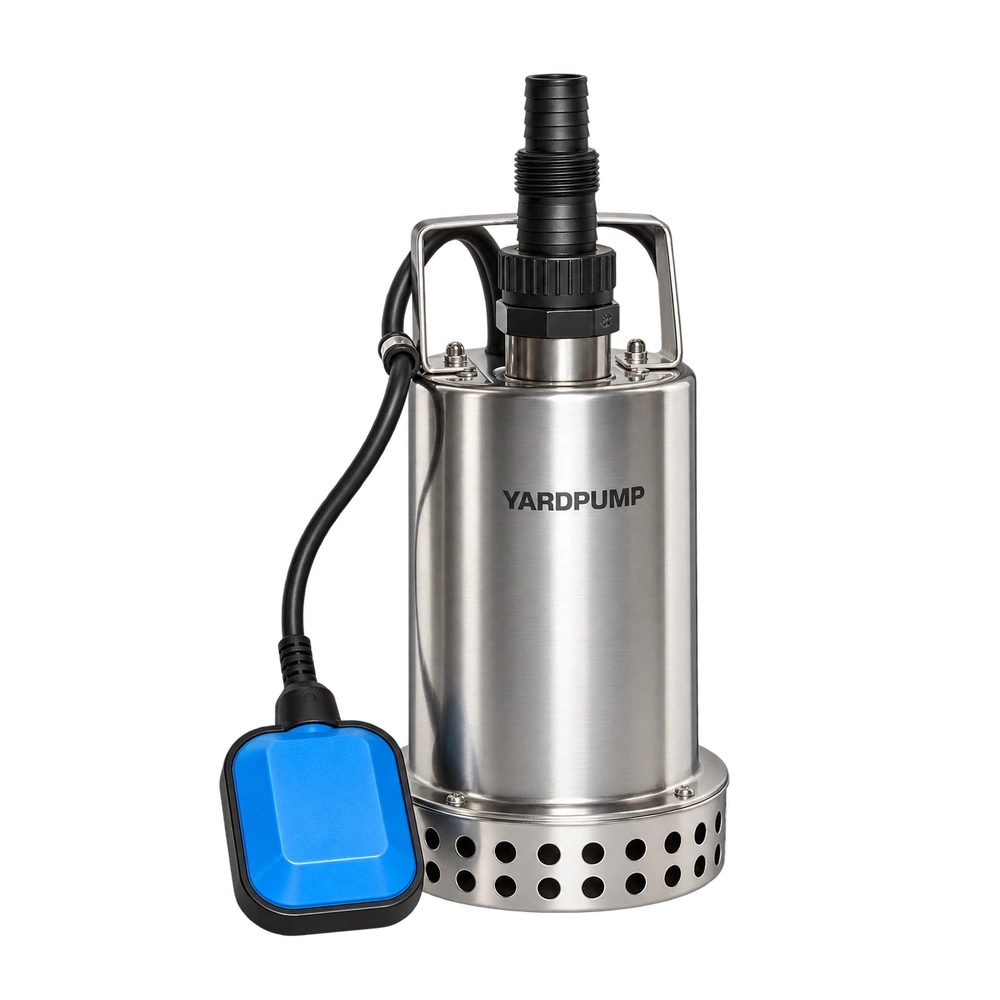
For example, YARDPUMP publishes a 50 mm / G1-1/2 outlet for both the 550 W and 750 W WQD-SD versions. That is a pump specification, not a promise that every destination-market carton contains a particular converter. The accessory contents and hose fit must be confirmed for the chosen order and pack revision.
Build a SKU-level promise sheet
| Record | What to specify | Approver |
|---|---|---|
| Product identity | Model, power, revision, nameplate, electrical version | Buyer + product manager |
| Discharge connection | Outlet designation, adaptor part number, hose fit range | Engineering + product manager |
| Electrical items | Market plug, cable length, label language | Quality + compliance |
| In-box contents | Pump, adaptor, seal, clamp, manual—only what is included | Supplier + brand owner |
| Retail promise | Whether images and carton say “included” | Sales + ecommerce |
| Traceability | Approved sample, list revision, pack-out photo, carton lot | Quality + warehouse |
“Standard accessories included” is not a specification. One market may need a hose adaptor in the box; another may sell the pump alone. Either can be a valid product, but each needs an identifiable SKU or packing revision that the sales team can explain.
Four evidence points before a return happens
First, photograph the approved sample laid out with the pump, nameplate, plug, cable, every included accessory, manual cover and retail box, and record the revision. Second, compare the promised in-box list against the purchase order, sales images and manual before production. Third, have the packing line record agreed critical checks at a sampling frequency defined by contract and risk—not by an invented universal percentage. Fourth, spot-check inbound cartons against the approved sample and preserve any quarantine and release decisions.
These records do not prove every unit is flawless. They do help distinguish “never promised”, “promised but missing”, and “wrong market or pack version”. That is far more actionable than coding every complaint as “pump defective”.
Three complaints that need three different responses
| Complaint | Evidence to check | Appropriate next action |
|---|---|---|
| Promised accessory missing | Approved list, unboxing photo, lot | Supply the item or handle claim as agreed; audit packing |
| Customer hose does not fit | Outlet drawing, hose dimensions, listing | Verify an adaptor route and correct unclear copy |
| Wrong plug or voltage for market | Nameplate, PO version, packing lot | Quarantine affected stock; escalate to quality/compliance |
If a cable is damaged, water ingress is suspected, a residual-current device trips, there is a burning smell or live parts may be exposed, do not ask the end user to keep energizing the pump for evidence. Stop use, isolate the equipment and refer it to qualified personnel under local safety rules.
One hypothetical listing dispute, two different root causes
Imagine an online product image showing a quick connector while the approved pack list does not include one. A customer’s “missing adaptor” complaint may originate in the listing’s failure to distinguish an illustrative connection from in-box contents. If the purchase order explicitly required that adaptor and the carton lacks it, the issue instead points to pack-out or fulfillment. Neither should automatically be logged as a motor failure, and neither justifies blaming the customer without evidence. This is a fictional process example, not a reported YARDPUMP case.
Fix the next purchase order, not just the next return
Keep a pack-revision card for every SKU: outlet drawing, bill of in-box contents, approved unboxing photo, manual revision, retail-page promise, inspection record and lot-traceability fields. Sales can answer “What is actually in the box?” Support can triage missing, wrong and optional items. Purchasing can specify the next order without relying on memory. Whether this reduces returns must be tested against actual data, not promised in advance.
When discussing an existing YARDPUMP model or an OEM pack, share the destination market, model and power variant, intended hose, plug requirement and proposed contents list. Confirm the final feasible configuration before quoting or publishing a retail claim.