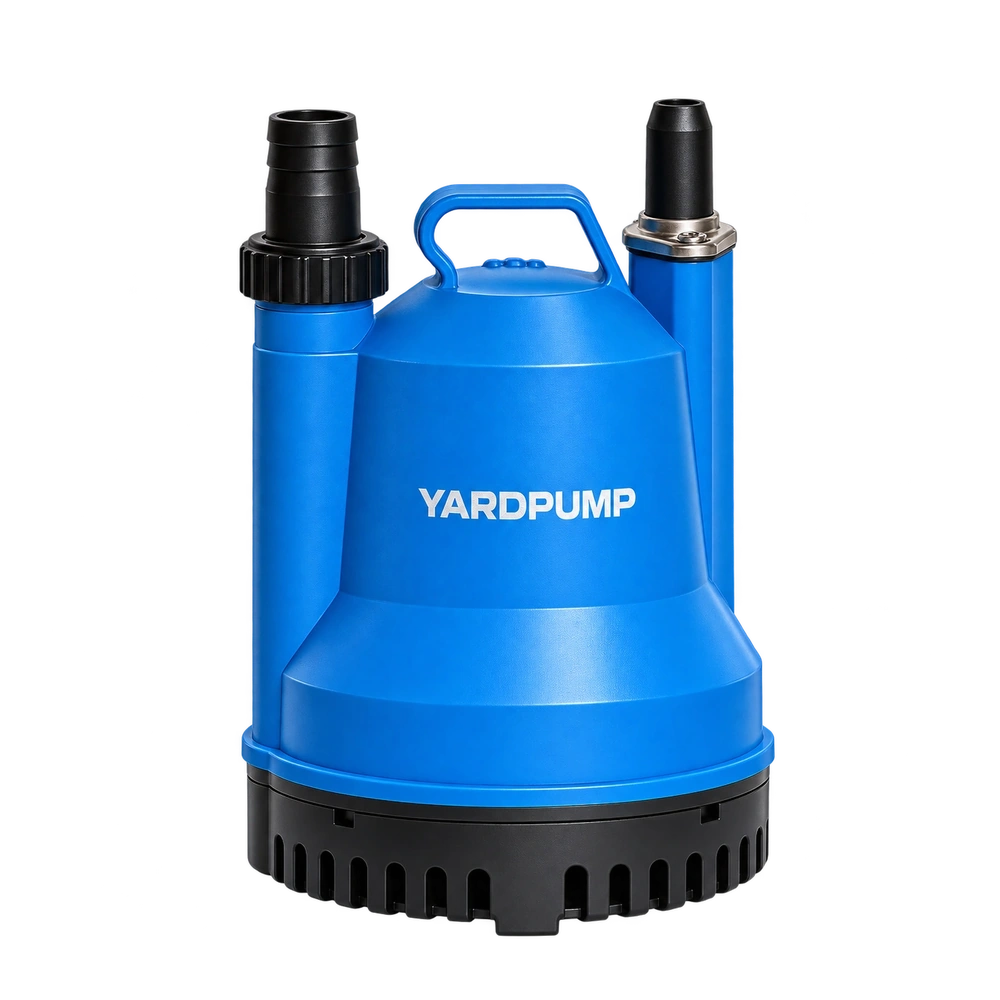
Imagine a supplier replaces a plastic pump housing screw with a longer one of the same diameter and pitch. The driver still reports the required torque, but the joint does not close to its original position. Check whether the screw reached the bottom of a blind hole. The torque may come from the end touching the bottom or from interference where the thread is incomplete. If the head has not seated on its bearing surface, a passing torque reading does not establish the specified clamp on the seal stack.
Measure from the bearing surface to the first obstruction
Put the screw, any washer or bearing face, the clamped parts and the blind-hole section on the same drawing. Interpret screw length using the specified datum for its head. How far the screw enters depends on the actual stack thickness. Overall depth, usable complete thread and space for the screw end can be different measurements. An incomplete lead, tip shape, chamfer or debris can affect usable space. A probe reaching the bottom does not establish the length of useful thread.
Suppose, for illustration, the original screw is fourteen millimetres long below its head and the clamped stack is seven millimetres thick. It projects seven millimetres into the hole at nominal dimensions. A seventeen-millimetre replacement projects ten. If the approved effective room for the end is 8.5 millimetres, the longer arrangement lacks 1.5 millimetres even before tolerances. Compare actual tolerances, including the approved seal stack. These figures illustrate the conflict. They are not a minimum engagement rule or an instruction to shorten a screw.
Look beyond the torque result
Measure the old and replacement fasteners, their end form and where the usable threads begin and end. Confirm the matching parts and hole dimensions. Assemble a witness sample by the approved method. Record whether the head seats, whether the seam closes as specified, and when any unusual resistance appears. If the driver records torque and angle, compare it with a known good assembly under the same conditions. A trace can help identify premature resistance, but it does not replace dimensions and functional verification. A mark on the screw end or hole bottom is a clue that still needs the received condition and dismantling history.
For a sealed joint, keep the gasket, tightening sequence and approved wet test conditions comparable. An assembly that looks dry before running has not passed the functional test. If the screw boss is cracked or the bottom is damaged, contain the affected parts rather than applying extra torque to close the seam.
Approve the actual stack, not a matching thread label
Confirm enough engagement and sufficient end clearance. Have the authorised decision maker assess the whole stack before accepting the substitute. Do not add a washer, trim the screw or drill the housing deeper to use existing stock. Those changes can affect bearing contact, strength, sealing and the housing boundary. For units already assembled, use station, material issue and time records to identify which pumps may have received the change. Document the approved length, tip, stack, hole and required verification rather than marking parts interchangeable because their threads match.
If a supplier tries the part on a bare housing while assembly staff use the complete pump, check whether both tests include the same washer and clamped parts. A screw going into a bare case does not prove that the assembled load path is right. An interference in an unrepresentative bare-hole trial may not occur with the real stack either.
Frequently asked questions
Does the same torque rule out bottoming?
No. Torque may come from end contact or thread interference. Check the seating and dimensions separately.
Is using a shorter screw always safe?
No. Engagement, bearing surfaces and design strength still need to be verified.
Can seam position replace the wet test?
No. Seam geometry and wet sealing are different observations. Verify both as required by the approved method.