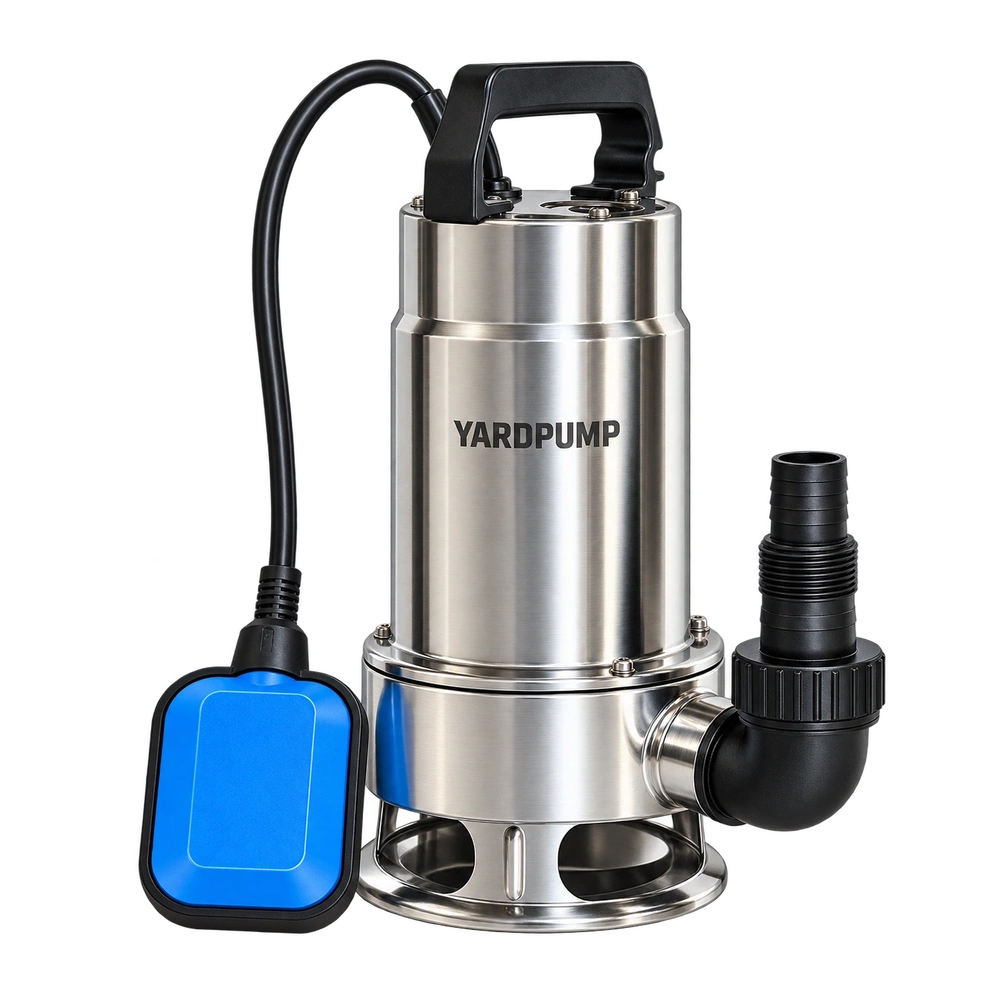
Short answer: Approve the inspection plan before production finishes. Identify the exact pump and electrical version, the approved sample and artwork, which checks are performed on every unit and which are sampled, the pass/fail criteria, and the records that will be delivered. A box that looks right is not proof that the ordered hydraulic and electrical configuration is inside.
A practical buying scenario
An importer has approved a clean-water pump sample for one market and is preparing a mixed shipment with two plug types and three retail carton languages. The purchasing team asks for a “100% inspection” photo. That request sounds thorough but does not say whether the photo proves the power supply, discharge connection, performance, float-control version or contents. The real risk is a shipment with a correct-looking carton but a mismatched variant.
The buyer needs two documents: a frozen order specification and an inspection evidence matrix. Neither replaces a valid, model-specific electrical safety assessment or a properly agreed performance test.
Five gates to release a shipment
| Gate | Evidence to request | What is not sufficient |
|---|---|---|
| 1. Identity | Model, power version, voltage/frequency, plug, cable, lot, approved artwork revision | A family name without a version |
| 2. Construction | Agreed wetted materials, sealing/control arrangement and any controlled components | A generic parts photo |
| 3. Function | Defined electrical checks and pump operation at specified conditions, with instruments and acceptance limits | “Motor runs” or a video of water moving |
| 4. Pack-out | Actual unit, adapter, manual, labels, barcode and carton matched to the approved list | Rendered packaging images |
| 5. Traceability | Sample IDs, quantities, exceptions, disposition and sign-off | A single “PASS” stamp |
For the hydraulic check, define the water condition, supply voltage/frequency, measured flow and total head. Maximum flow and maximum head are not the same operating point. A buyer asking for a performance claim should request the relevant Q–H curve or an agreed point and tolerance, not just a photo of a pump discharging into a bucket.
How to separate every-unit checks from sampling
Some controls can be built into the factory's routine process; others require a buyer-approved sample plan or third-party inspection. Do not write “AQL passed” unless the sampling standard, lot size, sample size, defect classes, acceptance numbers and actual results are documented. A sample does not prove that every unit in the lot is identical. Equally, a complete electrical test record does not by itself prove that every carton contains the correct adapter.
Agree in writing which checks are destructive, which require specialist equipment, and which can be observed without opening a sealed electrical assembly. Do not instruct an inspector to energize a pump in unsafe wet conditions or improvise electrical safety tests. Any suspected insulation or leakage issue belongs with qualified personnel using an approved procedure.
The buyer's handover sheet
Before the inspection date, send one controlled package containing the purchase order and SKU list; approved sample reference; nameplate and carton artwork; outlet and accessory schedule; required inspection/test records; applicable destination-market document list; and the agreed rules for holding, reworking or rejecting a lot. Assign an owner for each unresolved item. A factory can then respond to a specific discrepancy instead of debating what “good quality” means after the container is loaded.
For YARDPUMP projects, inspection scope and documents are confirmed for the selected model, electrical version and destination market—not automatically inherited from another family. See Quality Control, OEM & Private Label and Send a Sourcing Brief.
FAQ
Does a pre-shipment inspection replace product certification? No. Inspection confirms agreed order attributes; certification or compliance evidence has its own model, configuration, standard and market scope.
Can a buyer demand 100% testing? A buyer can request defined every-unit checks, but the test method, coverage, cost and records must be agreed. “100%” without naming the test proves very little.
What if one sampled pump fails? Follow the pre-agreed hold, investigation, corrective action and re-inspection procedure. Do not automatically infer the entire lot is defective—or acceptable—from one observation.