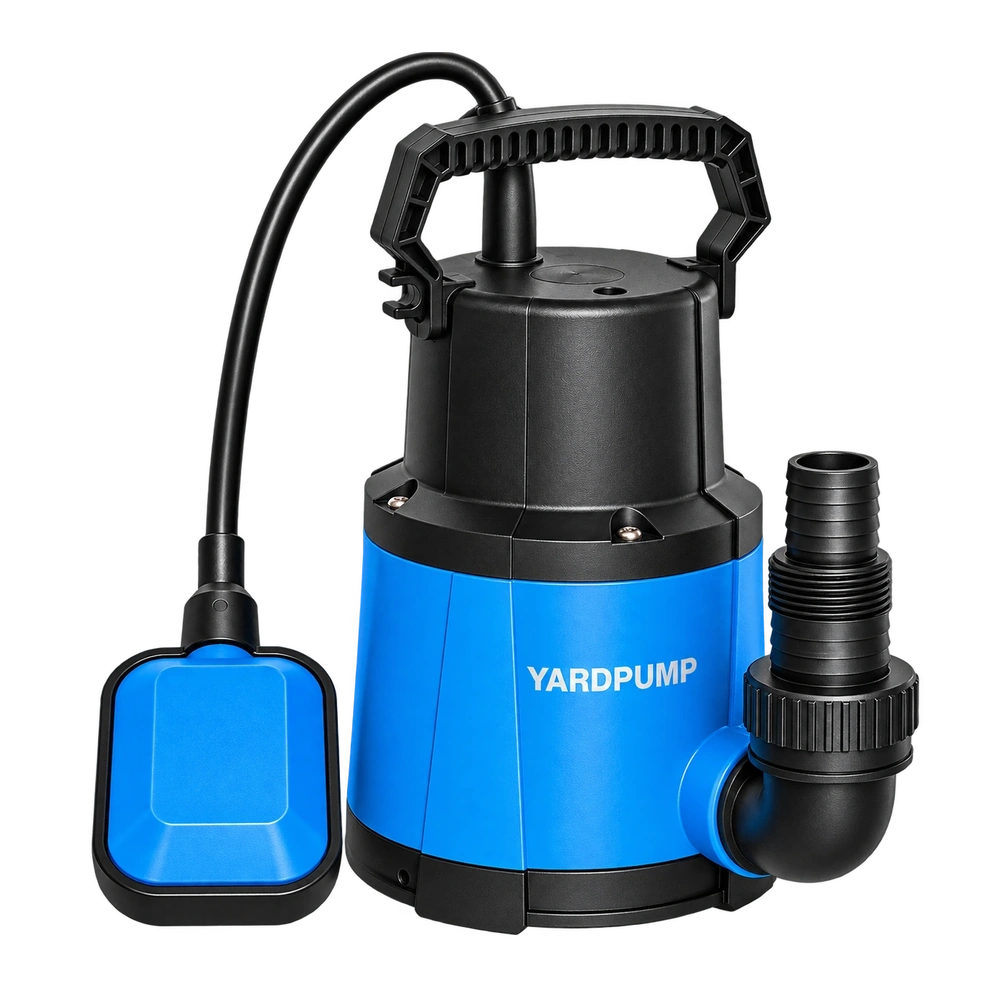
Picture a buyer witnessing a batch test on small submersible pumps. The stand reuses water from one tank. The first pump’s temperatures look reasonable, while units tested later run hotter. Before treating the difference as a production problem, check what happened to the water over the session. Energy delivered to water is largely dissipated as heat in a bench that recirculates it. A submerged motor may also transfer heat into the same tank. Early and late readings can describe different test conditions.
Estimate whether heat carries over into the next test
If water does not cool between units, energy accumulates. Hydraulic output and heat transferred by the pump or motor can warm the water; the tank or an active cooler can take heat away. The mass of water times its specific heat gives the tank’s approximate heat capacity if the water is well mixed. Use the net heat that stays in the water for a scheduling estimate. Do not add motor input, shaft power and hydraulic output as if they were independent sources. They can describe successive stages of the same energy transfer.
For an illustration, take 40 kg of well-mixed water. Suppose the net heating power retained after heat losses averages 200 W for 30 minutes. That adds 360 kJ. With a specific heat of about 4.18 kJ per kilogram per degree Celsius, the estimated average rise is roughly 2.2 °C. These figures illustrate a scheduling calculation, not a measured result, a pump rating or an acceptance tolerance. Record the actual representative temperature around the pump, along with cooler operation and any makeup water. Test duration and working reservoir volume help explain whether the trend could matter.
Repeat a stable control without carrying its own heat forward
Agree on the inlet-water temperature window, the reading location around the pump, stabilization conditions and the times to record temperature. Give each pump and the water time to get to the specified starting state. A previously characterized control unit can be run early and later. Let it return to the same initial temperature and reproduce the water level, flow and head. An already warm control unit is not a valid cold-start comparison. Look at the order of results alongside the water-temperature record to see whether deviations tend to follow the sequence.
Increase the working reservoir volume or cooling capacity where appropriate. Another option is to test in blocks with recovery time and defined verification points. Uncontrolled cold makeup water near the pump can create a local temperature difference and alter the water level. Keep changes and their timestamps in the report. If the control shifts with the stand, decide whether the affected interval is usable and repeat according to the agreed rule. Preserve the original readings; a control check is not permission to retest selected failures until they pass.
Distinguish pump temperature from the cooling condition
Record water temperature, winding or specified measurement temperature, flow, head and electrical readings at known times. Warmer water can change heat removal and the motor’s absolute temperature. Subtracting an arbitrary average tank temperature does not necessarily make conditions equivalent. Shell and winding readings, instantaneous and stabilized values, and a short production check and a full thermal test answer different questions. Use the approved method for each. Do not attribute an unsafe observation to the tank and continue without resolving it.
This approach addresses repeatability across a batch on a recirculating water rig. A valid result applies to the stated water temperature, equilibrium condition and test procedure. Service in warm liquid needs a separate review of the pump’s permitted conditions and the relevant validation.
Frequently asked questions
Does a large tank remove the need for start and end temperature records?
No. More water usually slows the rise. Test duration, actual tank volume and cooling still determine the conditions.
Can I top up with cold water between units?
Only under the agreed procedure. Record the water added and allow the tank temperature and level to stabilize before taking comparable readings.
Does a higher current on the last pump prove the water was warmer?
No. Voltage, operating point and motor condition can also change the current. Compare the control and simultaneous water and duty records before identifying a cause.