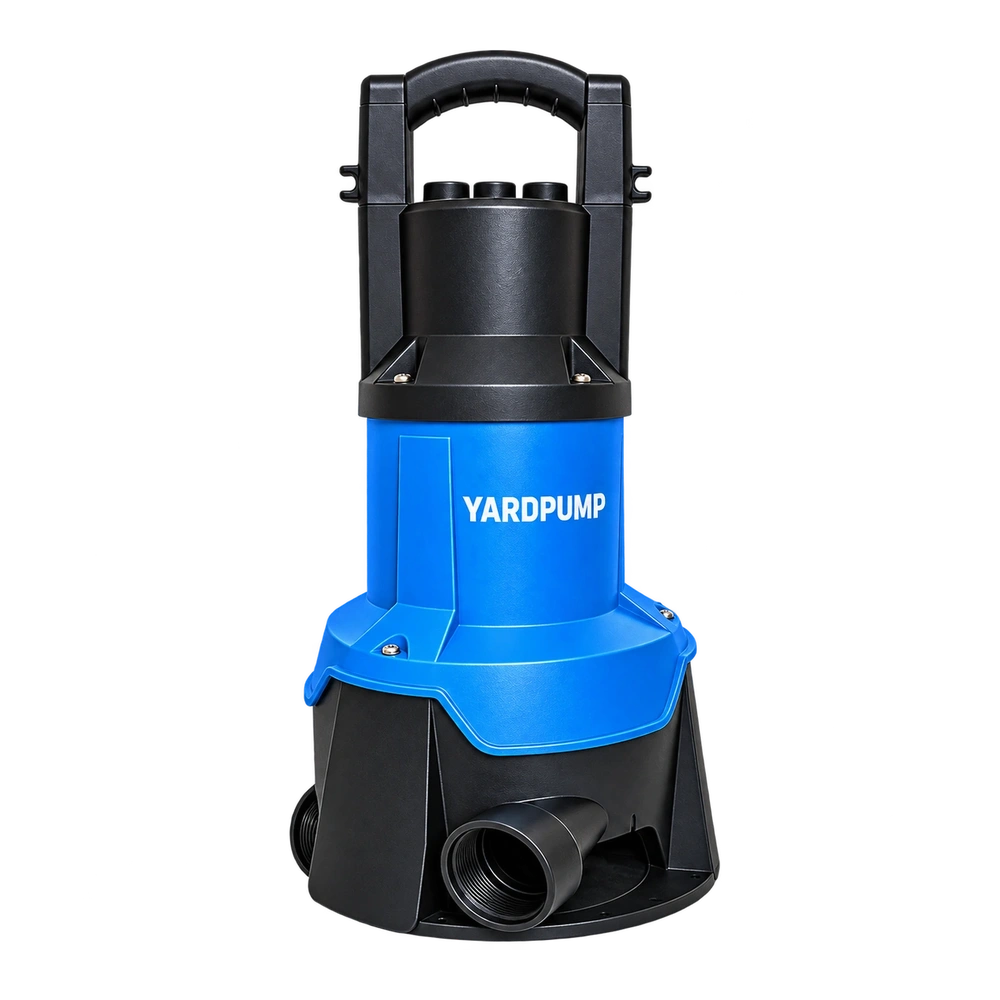
Consider what might happen with a replacement cover. A replacement cover goes onto a clean and dirty water pump. Every screw fits, yet the impeller rubs on one side. Find out what actually centres the cover. Many designs use a circular step or lip that enters a matching recess. The screws clamp the assembly. If their holes have assembly clearance, they can line up even when the pilot is eccentric or fails to seat. Not all pumps locate this way. Identify the real datum on the drawing and the approved part before opening a tolerance investigation.
A gap around the impeller shows a direction, not the guilty part
In an illustrative assembly the opposite radial gaps measure 0.28 and 0.52 mm. The average is still 0.40 mm. That shows how an average can hide eccentricity. The difference does not prove that either part is individually 0.24 mm off centre. Check access, impeller shape, bearing condition, cover distortion and whether readings share a plane. A small gap consistently on the same fixed side points toward a datum or housing issue. A tight position that follows the rotating parts merits a different comparison.
Find the locating diameter or projections, mating face, bearing seat and controlling references in the drawing. A matched bolt-hole pattern says nothing by itself about bearing seat concentricity. Inspect the pilot for flash, damage, taper or local build-up. Check the engaged length and whether the parts can seat with the specified gasket and seal installed. A missing or thicker spacer can shift an axial position and may prevent the pilot from engaging fully.
Test the replacement against a known combination
Have qualified staff isolate the pump and follow the service instructions. Compare the approved cover and replacement with the same traceable housing, shaft, impeller, seals and fasteners. Record diameters at suitable angles and positions relative to the locating face. Use the specified form or position check rather than one calliper reading. Assemble with the approved fixture and sequence, then check seating, local gaps and authorised movement and running tests. If the original cover also rubs, investigate housing, shaft and bearing condition. If only the replacement repeatedly produces the same directional shift, start with its locating relationship and mating parts.
Stop an approved test according to the procedure if there is severe rubbing or a protective shutdown. Do not run the pump with screws deliberately loosened or sand down the pilot during service. A design change to the pilot, clearance or material requires engineering checks on static fit, distortion under working head, sealing and applicable thermal and reliability performance.
State the actual interchangeability limit
List the cover revision and compatible housings and bearings on the release record. Include the locating datum and acceptance method. Do not claim a whole range is interchangeable when worn housings or production combinations have not been validated. An approved gauge can screen the key location at receiving, backed by a sample assembly check. In a return with a cover that closes but rubs, photograph the seating and paired witness marks together. That places purchasing, engineering and service on the same physical interface.
On the same fixture, compare the free pilot with the perimeter gap after approved assembly. A sound pilot and a joint open on one side point to the face, engagement depth or assembly interference. Record the locations before attributing it to bearing clearance.
Record the fixture mandrel and part orientation too. If an indicated offset moves with the fixture rather than with the cap, investigate the measurement setup before rejecting the replacement.
Frequently asked questions
Can larger screws centre the cover?
Do not substitute fasteners for the design's locating features. Check the specified pilot, dowels or other datum.
Can an acceptable average of two opposite gaps clear the assembly?
No. Local minimum clearance and the shape and position of the parts matter.
Can an otherwise similar cover be approved by colour alone?
No. Confirm part number, locating geometry and assembled results for the actual combination.