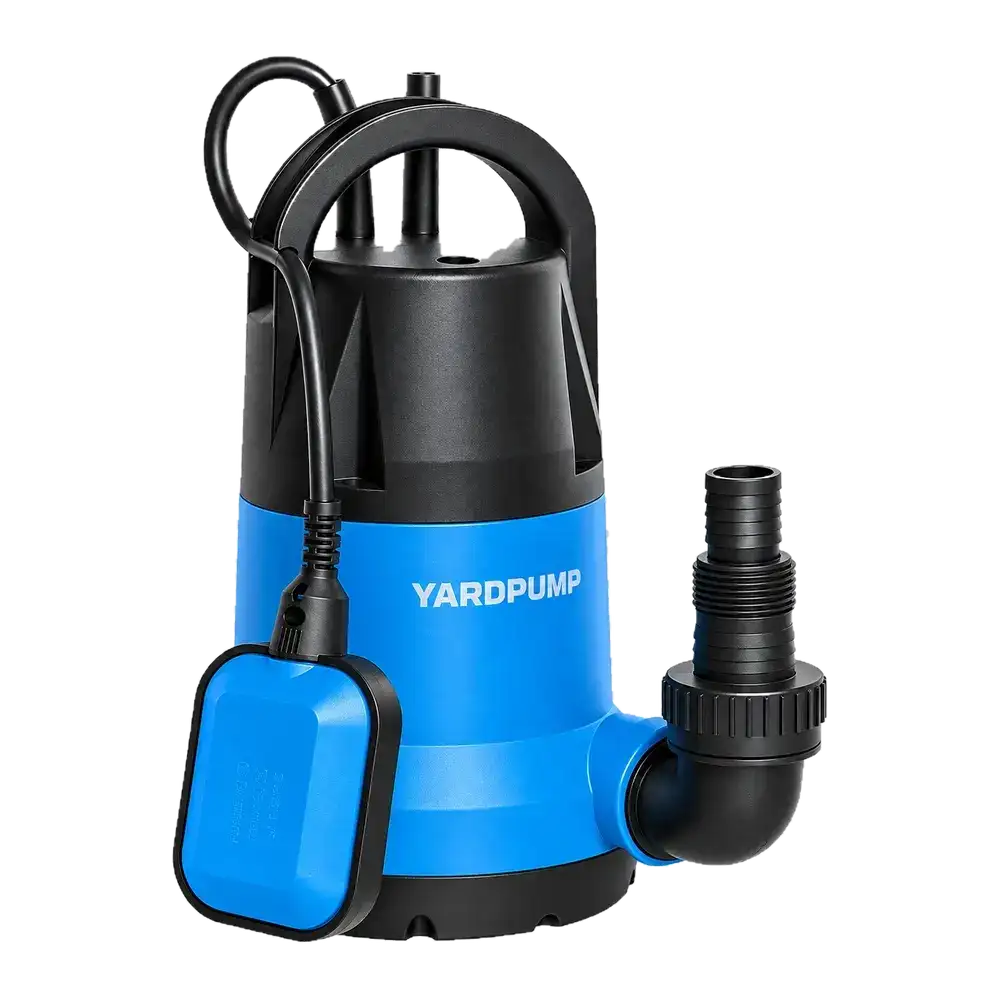
Suppose an importer orders drainage pumps with discharge hose, fittings and clamps in the same carton. The supplier's sheet carries a prominent burst pressure. Can the buyer use that number as the operating limit of the kit? No. Obtain the service rating for the actual hose size and temperature, then verify the approved assembly. A burst value or assumed safety factor does not establish suitability for the temperature, static pressure and transients the system can impose.
Three pressure figures answer different questions
A burst test records where a specimen fails under defined conditions. Without the size, liquid, temperature and test method, the number is difficult to compare. A proof or holding test can show that an identified assembly passed a particular inspection under stated conditions. An operating rating covers service within the manufacturer's conditions for temperature, liquid and pressure. None of those figures automatically replaces another. Even a design ratio printed for a particular hose does not establish a ratio for other sizes, materials or assembled ends.
Hose markings help identify the tube but tell you little about an unapproved connection. A fitting, seal or clamp can leak, pull free or lose retention as a flexible material warms. Match the bore, insertion geometry and clamping range to the assembly the supplier actually approves. Separate pressure figures for loose parts do not by themselves set the service rating of the combination. Confirm the approved method of putting them together and what conditions it covers.
Put the installed pressure boundary into the purchase specification
Sketch the pump, low sections of hose, valves, final outlet and any pressurised line to which it connects. Include the extremes of water level and intended temperature, and how the system starts and stops. Use the approved pump curve and system information to determine the duty and ask for the pressure and transient limits. Head describes energy added to the liquid; it is not one gauge pressure acting everywhere along a hose. Elevation, retained water, downstream pressure and valve movement all affect what the local points see. Do not infer a pressure rating from the maximum flow or close the outlet to provoke a check in the field.
Consider an example. At the connection the recorded steady pressure is 0.14 MPa, and the assessment for an approved start and stop sequence indicates that it can reach 0.18 MPa. The hose body is documented for 0.20 MPa at a specified temperature, but the fitting assembly has service evidence only to 0.15 MPa. Neither the hose number nor the lower steady reading is sufficient to approve the kit. Ask for an approved assembly or an assessment that covers those conditions. These are illustrative numbers, not suggested ratings. Have the actual events assessed from the design or by qualified test personnel.
What should receiving staff be able to match?
The order, hose markings, fitting identifiers, as-built assembly and permitted temperature range should correspond. A qualified acceptance test uses an approved procedure and protected fixture. Record specimen identity, prescribed pressure, duration and observations. If trouble develops in use, isolate power and have pressure relieved safely before handling the connection. Do not hold a running fitting to locate a leak. Secure the discharge in temporary installations and keep it clear of traffic or walkways.
If the only document covers bare hose, a different size or another fitting, leave the approval open. Once the equipment, complete hose assembly and service conditions agree, a buyer can decide whether to accept the kit. Confirm terminal flow separately on the agreed hose route if the delivery task calls for it. Passing a pressure requirement and delivering the promised water are separate findings.
Frequently asked questions
Can I divide any burst figure by four?
No. A ratio can apply to a particular design and test. Ask for the permitted working conditions of the actual assembly.
Does a leak-free proof test automatically cover pressure at shutdown?
No. It describes the conditions used. Transients need evidence that addresses that operation.
Can I reuse the clamps if I replace the hose?
Check the fitting geometry, clamping range and approved combination. Similar nominal bore does not establish retention.