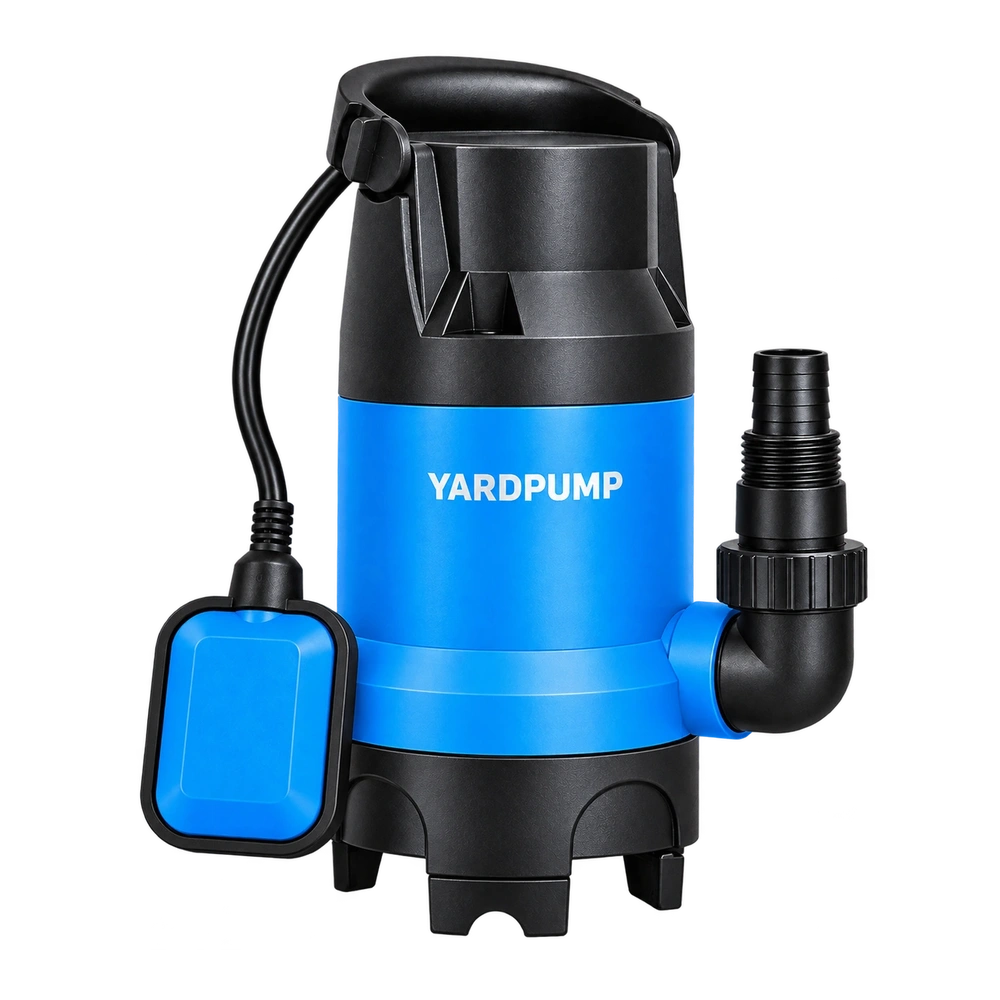
Consider two pump quotations with the same outline and nominal input power. One proposes aluminium instead of copper in the motor winding. Do not approve it on an unchanged turn count alone. Conductor resistance, room in the slots, termination design and hot performance can change together. Treat the proposal as a controlled motor redesign and qualification, not as a wire purchase at a different price.
Estimate conductor needs before checking the slot
At the same material temperature, resistance is proportional to resistivity and effective conductor length and inversely proportional to metallic cross section. A material with higher resistivity generally needs more area for equal resistance at equal length, or a different design. Finished magnet wire diameter includes enamel. A larger wire can change how slot insulation, end turns and impregnation fit into the original space. Reducing the turn count to make room also changes the electromagnetic design. Starting, heat and load capacity need review.
Ask how the winding connects to the leads. Different conductor and surface conditions affect what termination process gives a stable low resistance. Request the process, production controls and evidence under relevant temperature cycling or endurance. Ensure service staff can identify the variant. Local terminal heat and average winding temperature are separate observations. A normal mean can hide a hot joint, and a satisfactory connection cannot compensate for an unsuitable winding.
Use a calculation for scale, then test the motor
Suppose supplier data for two candidate wires at the same temperature show an illustrative resistivity ratio of 1.6. With equal effective length, the latter requires approximately 1.6 times the metal area for similar resistance. If area and current instead stay the same, simplified conductor resistance losses would also be about 1.6 times as large. Actual current, temperature, length and cooling can change with the motor design. This is not a material lot value or a prediction of complete pump efficiency. It tells a buyer what to ask for: material, metallic cross section, turns and comparison conditions.
Compare cold start, hot running, electrical input, winding temperature rise and protection at a matched hydraulic task. Then examine the termination and insulation evidence. Have qualified people use the approved bench process; do not substitute windings or dismantle energized equipment in the field. The order and variant marking should tie back to the build actually tested. One sample that turns under one set of conditions establishes just that event.
If a quotation covers both winding constructions, specify whether each is separately approved and how a change is notified. Keep acceptance records by configuration. Comparing a hot production build of one design with a cold development sample of another creates an apparent difference the supplier cannot meaningfully explain.
Define how production identifies the change. Housing, rating label and carton can remain visually similar while the winding material changes. Link the production batch to the winding revision, incoming wire and termination process, and retain the approved reference or teardown rule. If the contract requires prior approval for a conductor change, obtain that approval through change control rather than loading the shipment and adding a generic material statement later. Separate wire, termination, process and qualification costs in a commercial comparison. A price difference per kilogram does not predict the saving per motor. More conductor area or a different joint can change assembly time and service methods. Buyers can compare two qualified designs; unfinished qualification is not a discount that transfers the uncertainty to the customer.
Before accepting a performance table, connect every row to an identified sample and winding revision. A report without that mapping cannot show which construction was tested or whether production uses it. Retain the build identity with the raw measurements, not just the final efficiency column.
Frequently asked questions
Do the same watts and turns prove interchangeability?
No. Compare material, metal area, terminations, operating duty and hot validation.
Can finished wire diameter establish conductor area?
Not by itself. It includes enamel. Identify the actual metal dimensions and material.
Can a matching winding resistance approve the change?
It supports a resistance comparison at a stated temperature. Starting, insulation, heat and installed performance still need verification.