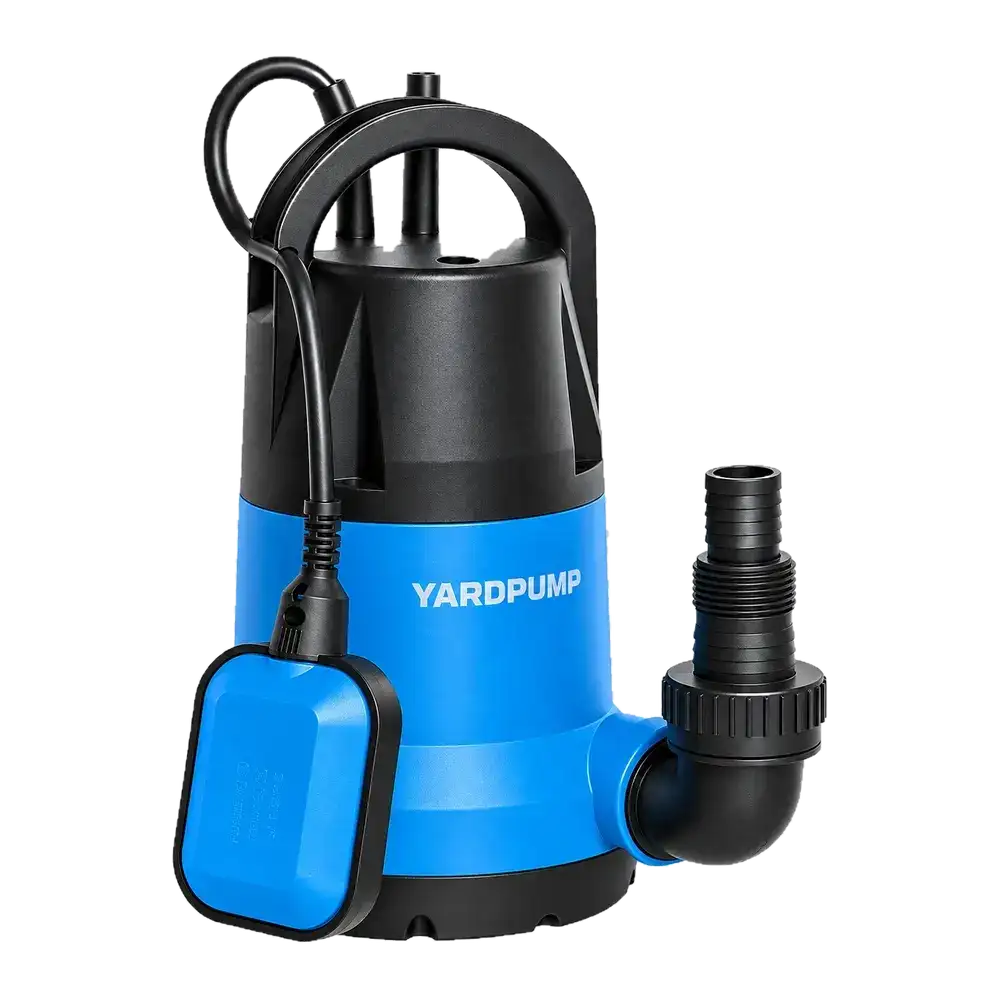
Two inspectors examine the same plastic pump housing. One calls a faint scuff acceptable, the other rejects it using a photo of a flawless sample. Later both overlook a similar-looking score across a sealing land. The useful acceptance rule identifies what that surface does. Define separate limits for visible appearance, surfaces that make a joint or bear load, and areas that carry identification. A blanket rule for scratch length cannot do all three jobs.
Map what every visible surface does
Start with an approved drawing or labelled photo of the actual housing. Mark exterior display faces and their ordinary viewing conditions. Mark concealed structural areas such as screw bosses and the attachment points for a handle, then mark O-ring lands, guides, mating faces and any surface that determines a fitted gap. A mark away from public view can still matter if it goes across a sealing face or sits at a loaded corner. Keep permanent identification legible and attached wherever it is placed. Do not use a cosmetic sample to authorize damage in another zone.
Separate scuffing, impressions, flow lines from moulding, raised burrs, whitening and cracks. They can look similar in one photograph. Use the approved inspection position and note whether the mark is raised, follows a mould feature, crosses an edge or goes deeper under better light. Keep any crack-like indication or known impact separate from the cosmetic grading until it is evaluated. A technician may need to check dimensions or section a designated sample. Do not polish or scrub away a suspicious mark before retaining evidence.
Approve boundary samples that inspectors can repeat
Set the viewing distance, lighting, orientation and any permitted magnification for appearance grading. Keep an acceptable edge sample and a known reject for the relevant finish, labelled by zone, revision and date. Photograph them for shipping records, with a scale if suitable, but use physical pieces when texture, gloss or depth is decisive. Inspectors should be able to tell where to look and why the sample passes. An approved “golden” unit with no marks may help show intent but does not define the limit.
As an illustration, a short satin scuff on the visible side of the housing is within the approved appearance sample under the defined light. On another unit, a similar mark crosses the O-ring contact band. The second unit goes to a functional hold regardless of whether the mark looks less obvious. The laboratory or engineering team checks joint condition and the applicable sealing procedure. Those are illustrative dispositions, not generic allowance values. Do not run electrically suspect equipment simply to see if it leaks.
Record which operation likely produced the mark. Repetitive rubbing in the same packing location may suggest divider or nesting problems. A unique mark by a boss might need handling evidence. Location patterns help scope the hold but do not prove when damage occurred. Check unopened reference pieces from the same packing lot and preserve the original carton and insert if the defect is repeated.
Make the purchase order reusable
Add the surface map and boundary sample revision to the inspection instruction. Define who owns decisions on cosmetic deviations and who can release a functional hold. Review the map when the resin finish changes or a new logo, nesting surface or tool cavity changes the visual result. Record separately whether the issue is appearance, function or still unidentified. If an edge case is accepted by engineering, make sure the approval explains the zone and construction so it is not later used to excuse a different mark.
For service, request one context picture and one close view, plus the pump model and packing identification. Direct uncertain marks to the supplier or qualified service route. The intended improvement is a consistent release decision without treating every surface as either flawless or unimportant.
Frequently asked questions
Can a side-panel photo replace a physical limit sample?
It can support a decision, but it may hide depth or changes in gloss. Use the agreed method for the condition that matters.
Should every pale mark be classified as a crack?
No. A moulding feature, surface rub or stress whitening may also appear pale. Hold and examine an uncertain mark in a functional or loaded area.
Can the warehouse polish a cosmetic mark before shipping?
Only under an approved rework process. Uncontrolled polishing changes the surface and removes useful failure evidence.