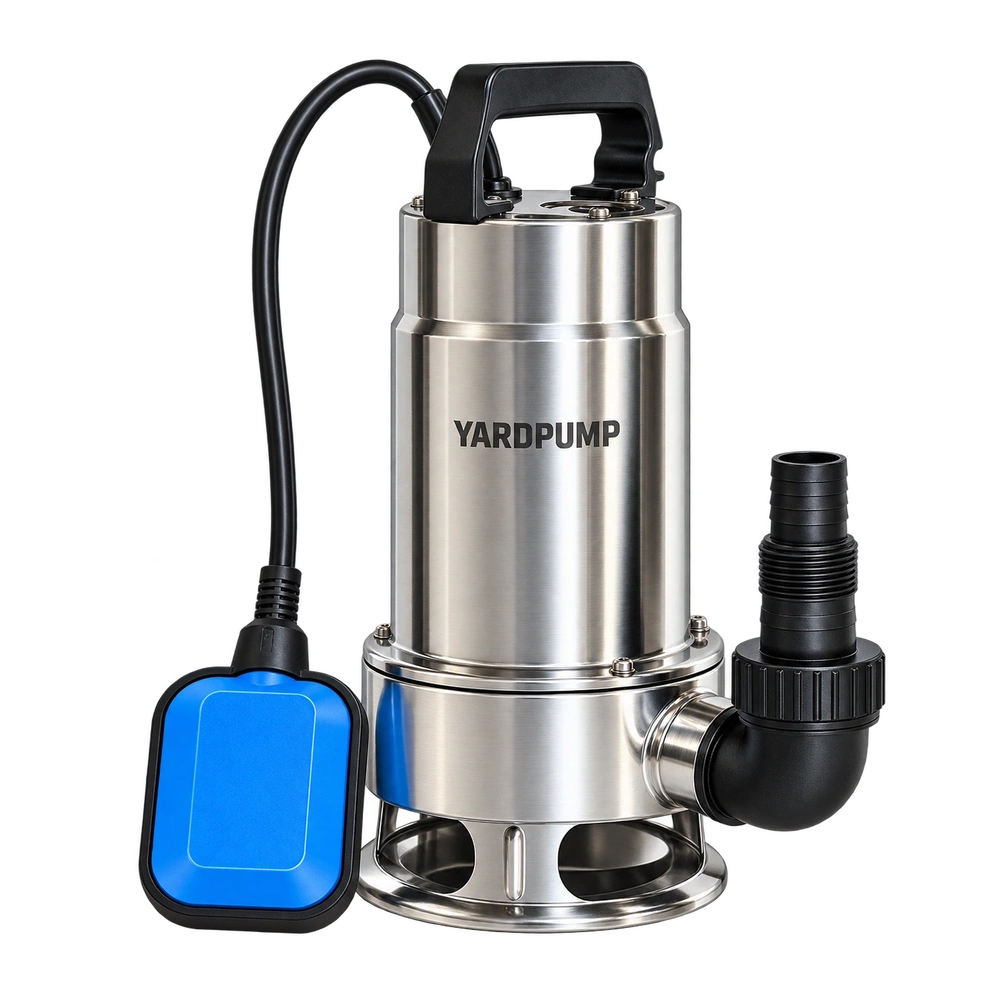
During incoming inspection, a buyer lifts the protective film from a plastic submersible pump. A corner of the permanent identification label comes up with it. The printing may still be legible, but leaving the label partly attached can compromise identification later. Treat the interaction between the carrier film and the label as a packaging defect to investigate. Hold the affected construction while verifying how the film is removed and whether the permanent label can be preserved as supplied.
Identify which interface released
Take photographs of the untouched package, the pull tab, where the film crossed the label, and what remains on pump and film after removal. Save at least one impacted assembly without pressing the label down again. One film can transfer adhesive to a label or tear its face; another can lift the whole label from the housing. A label edge already standing proud before the film is pulled is different again. The release plane gives the supplier a more useful clue than a note saying the sticker came off.
The two adhesive systems do separate jobs. The temporary film protects the finish and should release under the specified action. The label must adhere to the actual housing over its intended life. Their behaviour depends on substrate, surface preparation, material, time under contact, storage conditions and the pull angle and speed. A label that performs on an approved flat panel may have less contact on a textured, curved or contaminated area. A film that is harmless on bare plastic can still grab a printed label edge.
Recreate the customer's removal action
Use sealed carton samples from the affected combination and a known acceptable comparison if one exists. Document plant, lot, housing finish, film and label codes, and the recommended unpacking sequence. Peel by the instructed tab from a normal angle and speed for that package; if the instructions are unclear, record the ways a user would reasonably remove it and have the package designer settle a consistent procedure. Inspect the part immediately after peeling and again after the specified rest period if the project has one.
Compare the same label without film contact if possible; a label failing in both states points toward the adhesive or substrate process. If the problem follows a film overlap or a particular corner, ask for a revised film shape or masking boundary. Keep housing and label unchanged for that comparison. Include units after the planned storage or shipping conditioning, alongside fresh units. A first-off unit peeled shortly after assembly does not represent long contact between the film and print.
For illustration, suppose one packing line applies a continuous film over a label corner while another applies a cutout around it. If lifting is confined to cartons with the overlap and the same label stays sound on the cutout samples, quarantine by verified packing run rather than by the visual appearance of the cartons. That is a decision example, not a sample-size rule. Where packing runs cannot be separated, hold the broader group until traceability or inspection supports a narrower scope.
Define what a pass looks like
The unpacked label should remain where the approved drawing places it, readable and attached at the edges under the agreed inspection method. Also check that the instructions distinguish what to remove from what must stay, and that the carton does not steer the user toward pulling the label instead of the transit film. Confirmation at a new film location belongs on the full packaged assembly, not on two loose samples waved past each other.
Avoid replacing a label with a locally printed facsimile. Electrical identification, model and serial origin need the right version and a controlled, authorized disposition. If the label is compromised, hold affected units and have the owner specify approved rework, verification or replacement before releasing stock.
Frequently asked questions
Is an edge lifted by one millimetre acceptable?
A distance alone cannot answer. Use the approved label placement and adhesion criteria and determine whether normal handling propagates the lift.
Do I need to reject every colour of the pump?
Start with the evidence on the actual film, label and surface combination. Different finishes or packing runs may need separate checks before release.
Can the dealer leave the protective film on?
Follow the unpacking instructions. A transport layer is not a substitute for a securely attached permanent label.