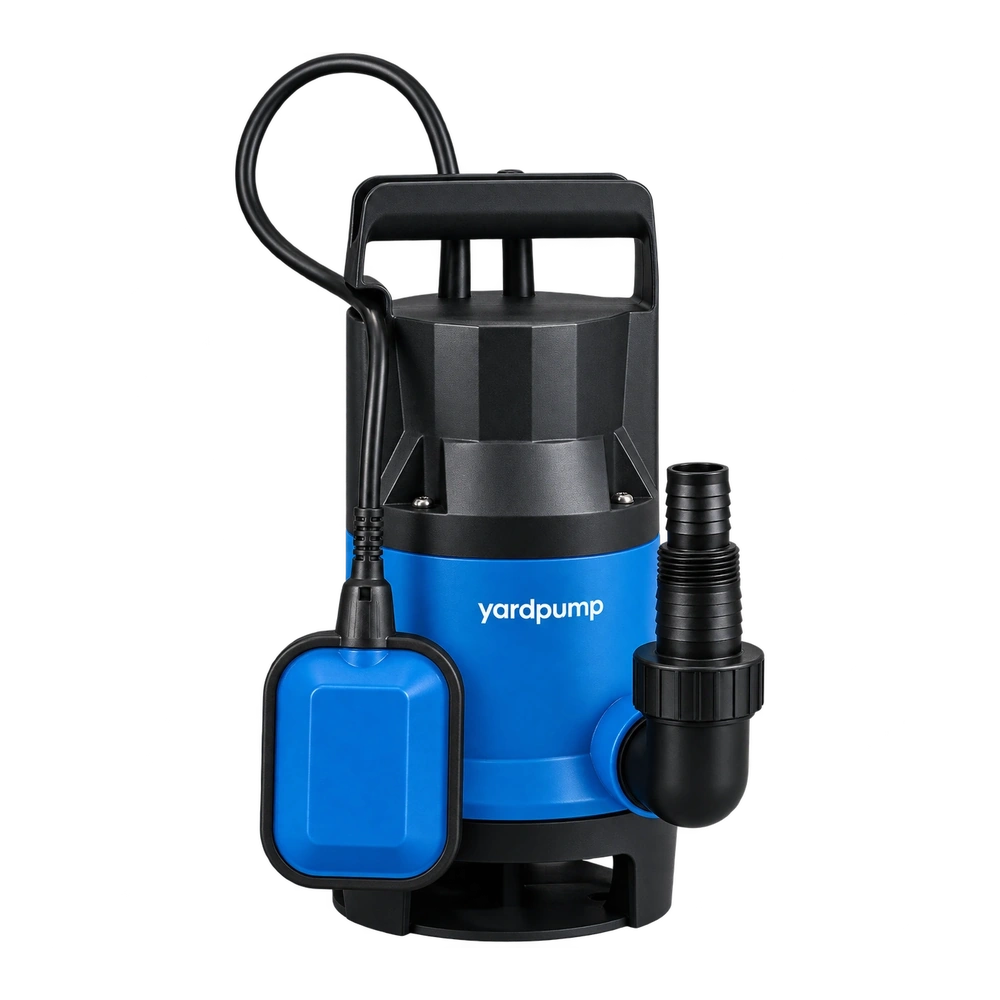
Suppose a supplier reports that a seawater pump sample barely changed weight after immersion. That result does not exclude pitting or crevice attack. A small affected area on the shaft's seal track, a thread root or a mating surface can matter more than a larger cosmetic change elsewhere. Acceptance should include overall change, the location and extent of local damage, and whether the assembly still performs its intended job.
Read coupons and assemblies as different evidence
A coupon is useful for comparing identified materials and finishes. An assembled pump introduces crevices, dissimilar metal contacts, areas beneath washers and places where liquid remains after stopping. A clean flat coupon does not show what happened beneath a fastener or on a shaft shoulder. Conversely, a rust-coloured mark may be transferred contamination or material from another part. Photograph positions before and after exposure and use the agreed cleaning procedure before judging damage to the base metal.
Specify salinity, temperature, continuous immersion or wet and dry cycling, motion or stagnation, duration and post-test rinse. A report that says only that the unit was soaked in seawater leaves most of the test undefined. Use a comparison sample with known finish and the same handling. Deposited salts, residual water and material removed by cleaning can all alter a weighing result. A mass figure without a documented preparation and cleaning method is only one clue.
Consider a small loss at the wrong location
For illustration, suppose a 100 gram shaft part loses 0.02 gram after the agreed treatment. The change looks small. If inspection reveals a pit in the lip's running band, the next questions are depth, width and whether the contact track is interrupted. Another part could lose the same mass primarily from a nonmating surface. These results have different implications even though the scale shows the same loss. The example establishes no allowable pit size. The designer needs limits and a method appropriate to each functional area.
In the acceptance plan, list the parts of the assembly to inspect after cleaning: seal tracks, shoulders, threads, dissimilar contacts and liquid-retaining locations. Record whether the parts can be serviced and whether leakage and performance checks still pass after approved reassembly. Compare representative assembled samples when a coating or material changes. Do not turn a flat sample's result into a durability claim for every pump configuration. An exposure of stated duration cannot be extrapolated to years without supporting evidence.
A report that leaves the location blank is hard to use when a returned pump shows a mark. Keep the same identification of surfaces in the purchase drawing, test record and service notes. That makes it possible to compare the qualification sample with the part that actually failed.
State balance resolution and repeat-weighing stability as well. When the reported loss is near what the instrument can distinguish, do not rank two materials precisely on that difference. Local attack calls for suitable magnification and dimensional assessment. On a running track, a verified post-exposure leakage result can be more useful than a bright appearance. Have an equipped team follow the approved isolation, cleaning and reassembly process for any running test after exposure. If the original plan used coupons only, leave assembled crevices, joints and running performance as unverified items. Do not silently mark an unexamined surface as passed. A short coverage list gives the buyer a defensible order for further tests and prevents a later catalogue claim from expanding beyond what the original evidence showed.
Frequently asked questions
What if salt crystals are heavier than the corrosion products?
Photograph the area, then follow the agreed cleaning and weighing process. Abrading it casually can mix up substrate loss and cleaning loss.
Can a sample that did not lose mass stay assembled?
That depends on the inspection plan. If the question concerns a hidden crevice or a running track, follow the approved safe inspection procedure.
Can a salt spray test replace assembled immersion?
Not directly. Exposure, solution renewal and crevices can differ. Choose a test that represents the mechanism and service you need to qualify.