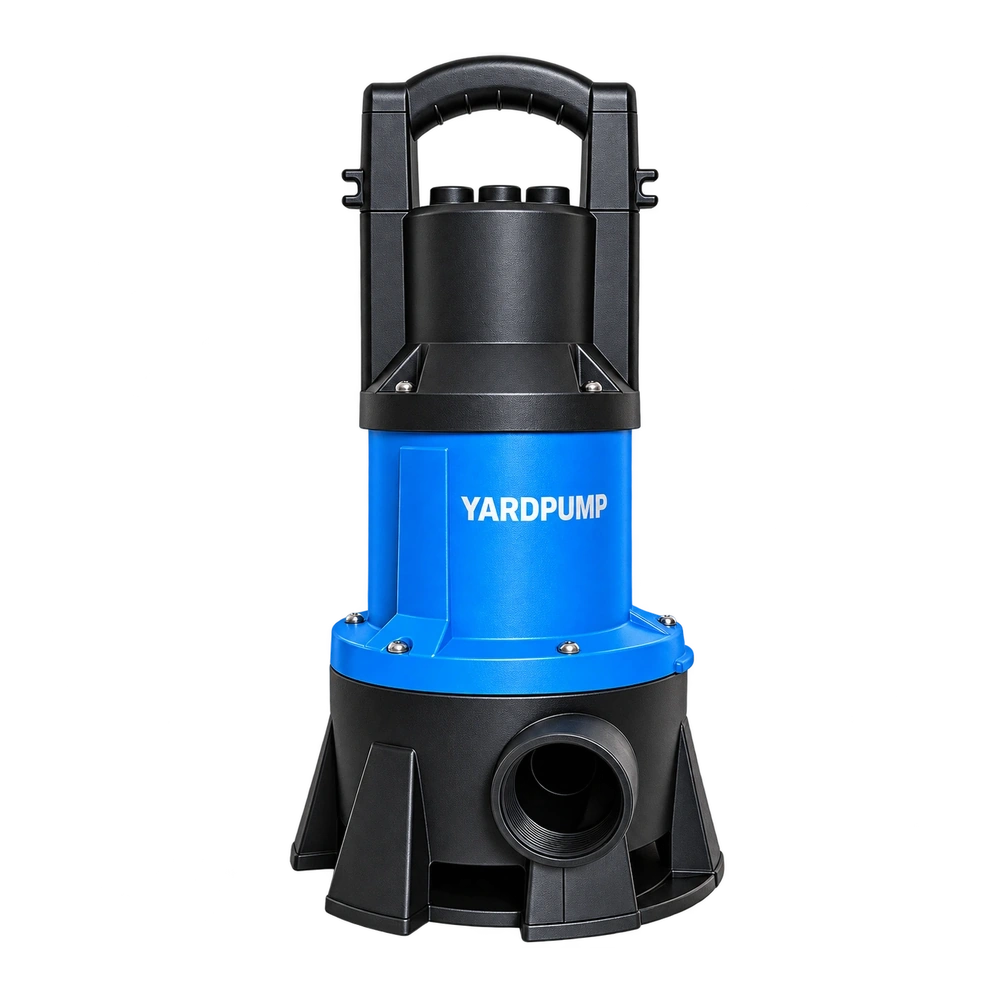
Take this example of a disputed pump accessory. A portable pump carton says it includes a ten metre hose. At inspection, the fitted hose measures less. One party says ten metres is the material cut length. Another adds the reel leader. Start with what was actually promised: the main hose alone, its usable distance between connection faces, or an installed arrangement that includes a separate leader. All three may be measurable. Choosing a different definition after delivery does not resolve the discrepancy.
Identify the segment being measured
The unfitted main hose has a length. After assembly, part of the hose sits over each fitting or inside the clamped zone. The working distance between connection faces is a different dimension. In a reel kit, the leader connects a different part of the route. Adding its length does not necessarily extend the same working reach. The actual installation also needs allowance for bends, rises, slack and supports. Put the starting and ending faces on a diagram. For example, distinguish the pump-facing connection to the outlet face from the free hose measured out of the box. Avoid comparing bare ends with a claim defined for an assembled kit.
Suppose the agreed measurement is the assembled reach. The main hose measures 9.80 metres and the inlet leader measures another 1.20. If the carton promises a ten metre main hose assembly, an 11.00 metre sum does not pass it. If the deal specifies both segments separately, record their separate lengths. If the claim is for raw cut length, collect suitable production evidence or approved retained samples rather than cutting apart every assembled item. Those figures illustrate the boundary; they are not acceptance tolerances.
Repeat the measurement without stretching parts to pass
Lay out the hose on a suitable level surface under the product method. Do not pull it longer or pressurise it to gain length for a dry inspection. Record temperature condition, measuring equipment, bends and supplied end pieces. Different hose constructions stretch and recover differently. If installed reach is important, evaluate the actual route separately within approved operating conditions. Allow space for a bend radius, vertical run and supports; a nominal length is not the same as straight-line reach.
When a short sample is found, keep the measurement, kit version, hose lot, fittings, method and photographs. Compare the first article, carton and order fields. If the printed claim is ambiguous, refer to the agreed product definition. Do not pull the hose, remove its fittings or substitute a longer leader to make a number pass. When values vary within the same shipment, preserve the original examples and isolate and retest under the lot procedure. A kit altered after a complaint is no longer direct evidence of what was shipped.
Accept both length and performance where both are promised
For a kit sold to do a particular job, also check flow at the installed head. A long narrow hose can reach the destination but reduce useful flow; a shorter hose can perform well and still fail the promised length. Both requirements matter and belong on separate lines. State the main length, leader and connectors in the pack list so receiving and service can make the same decision against the same version.
If different kits are packed together, pull the hose and fittings from the actual carton. Do not borrow from the next box to complete the check. If an extension is proposed, assess its joints and extra resistance separately. The ability to connect one does not validate the original claim.
Keep the actual shortest reading, not merely a pass mark. If results sit near the agreed limit, confirm tape accuracy and whether the measurement was taken from the correct faces before declaring a shipment discrepancy.
Frequently asked questions
Does hose assembly length include the end fittings?
It depends on the agreed reference faces. Use the assembly drawing and measurement conditions.
Can I pull the hose tight to measure it?
Only if the approved method defines that force. Arbitrary tension makes the test dependent on the person holding it.
Can a longer leader make up for a short main hose?
Not when the main hose length is a separate promise. Even a system length needs each segment to suit its route.