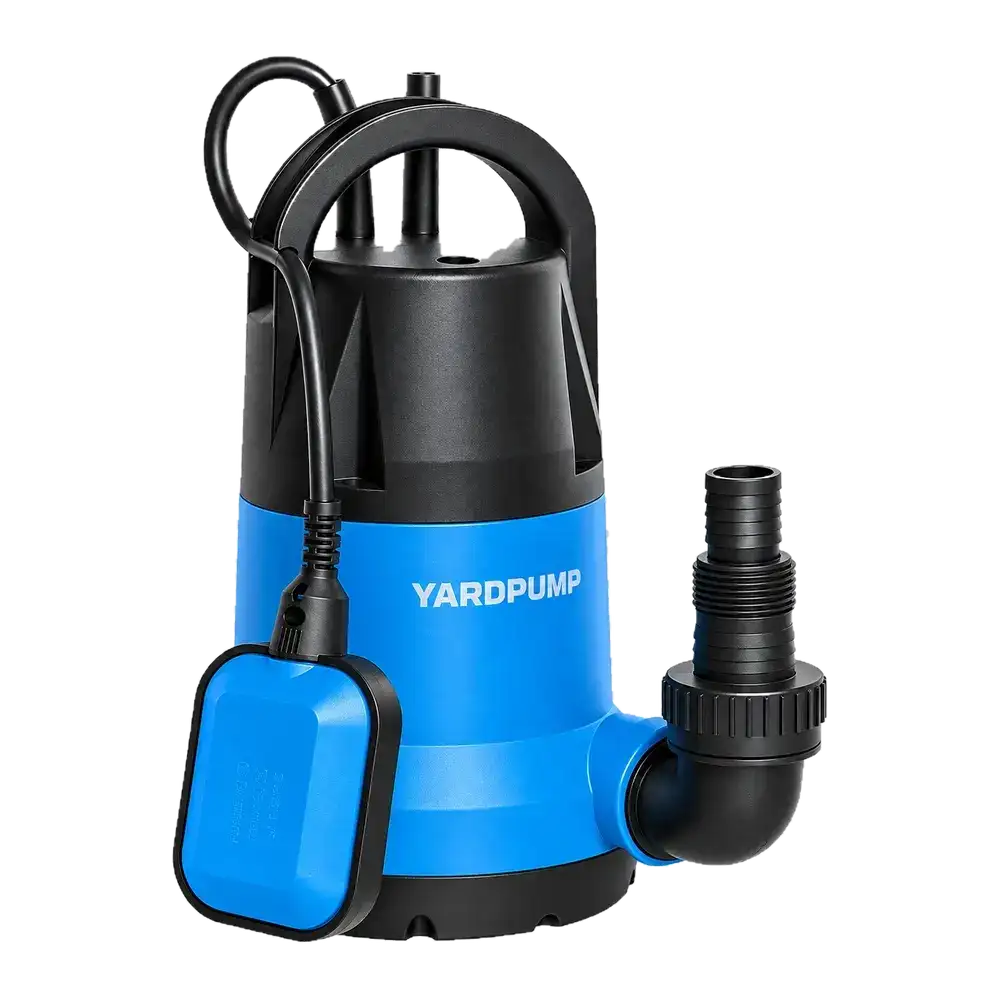
The failed float has three conductors. The proposed replacement has two and looks nearly identical, including its tether. Can a distributor try it on the old pump? Wire count, colour and the direction in which the body rises are not enough. Establish what the original control expects at low level, when the water rises past the start point and when it falls past the stop point. Then require evidence that the replacement gives that behaviour within the same permitted installation and load.
Three conductors do not always mean the same circuit
Some switches provide a common and two contact states for different approved applications. Another three-conductor product could include protective earth or carry a different electrical signal. Do not assume it has the same switching arrangement. A two-wire device is not necessarily a passive contact either; an electronic device may have specific supply and load requirements. Obtain the exact part number and approved drawing. Do not infer a terminal function from the housing, wire colours or a family brochure. Relate the maker's normally open or normally closed description to its specified orientation and installation.
The state table should say more than “float up, pump on.” Compare the original and proposed parts at a stable low level, on rising through the switch point, while high, and on falling through reset. Specify what the controller or pump receives at each state. Establish whether the switch signals a control input or directly carries motor current. An input rating does not qualify it for motor starting loads. If the original arrangement has a protective conductor, separate alarm or fault detection, preserve those functions in the comparison.
Verify the real actions, not an improvised connection
Consider an illustrative drain control. Low level means no run demand, high level requests pumping, and falling to the lower limit stops it. The original assembly also has a protective earth function. Matching high and low states on an isolated bench does not replace the missing protective path or prove the new device can switch the motor directly. Compare the pump drawing, spare-part drawing, protective arrangements and load. Have qualified personnel establish terminal and contact functions with the equipment isolated and by the approved method. The example is not a wiring guide.
For installed verification, record the serial or revision range, tether position and travel, the expected switching levels and whether a complete control assembly is required. Qualified staff can carry out an attended wet check using the manufacturer's safe procedure. Record rising and falling action separately. A fault-state check, if needed, belongs in a controlled process; do not cut wires, bridge terminals or bypass protection in service. Even if the logic matches, an altered sealing interface, strain relief or installed switching level prevents automatic approval.
Make the purchasing decision model specific
The order can refer to the approved diagram, state table, load and assembled functional test and list which pump revisions it covers. If the supplier can provide only the float shape, cable length and a contact rating, treat it as an unqualified sample rather than a universal spare. After qualification, identify where it can be used and where it cannot. This prevents a stockroom from mixing fill and drain switches simply because the bodies look alike.
When the customer wants immediate restoration, service staff can collect the nameplate, controller version and photographs from a safe position. If the repair requires opening a sealed assembly, send it to the approved service route. Establish the function and correct level of replacement before altering either the control or the seal.
If both labels say normally open, include the maker’s reference orientation in the acceptance record. A part lying on a stockroom shelf does not define its installed switching state.
Frequently asked questions
Can I cut off the third conductor if it looks unused?
Do not assume it is unused. Have qualified personnel verify its purpose against the approved diagram without improvising a connection.
Both are labelled normally open. Does that make them compatible?
No. Compare the reference orientation, actual water levels, load, installation and sealing arrangements.
Does a meter check release the spare?
An isolated bench check covers only part of the function. Confirm the diagram, load limits and installed switching behaviour as well.