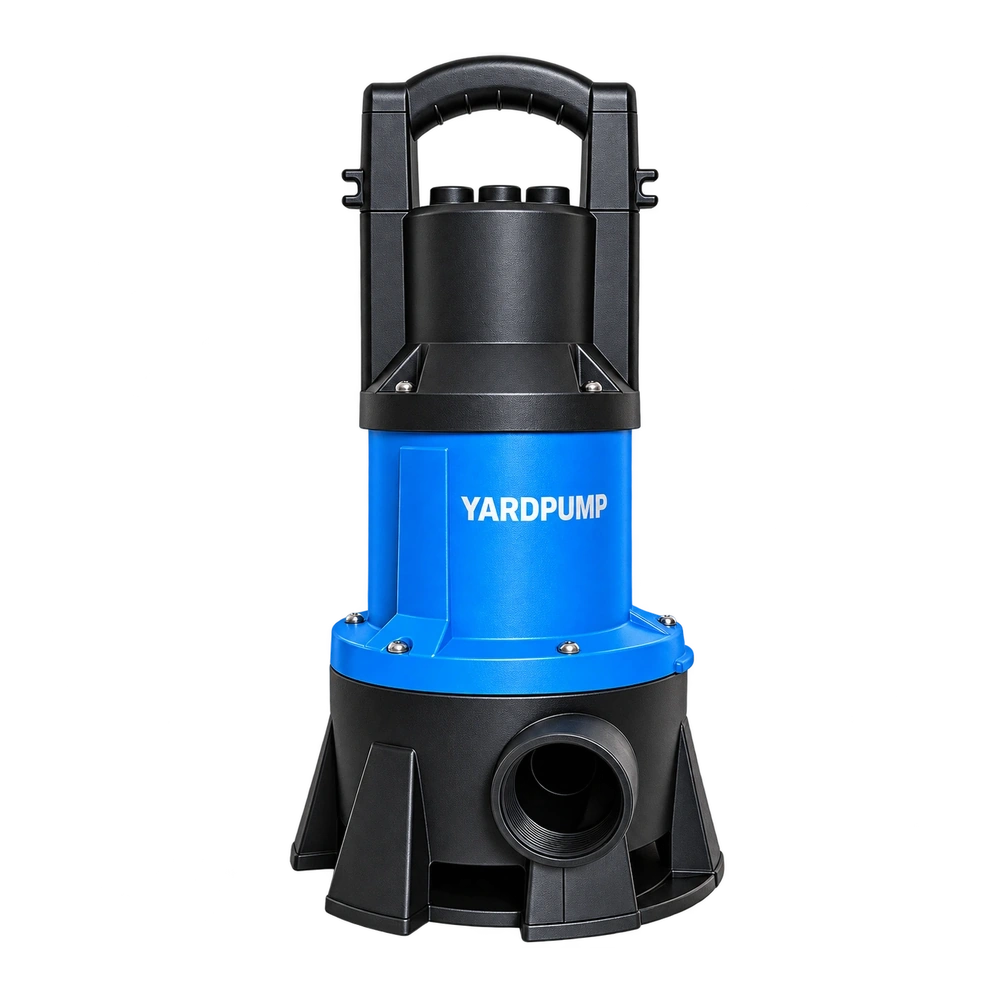
On a service bench, one face from a small submersible pump's mechanical seal is visibly damaged. The other still looks bright. Check the instructions and approved spare combination before replacing one side. The two faces work together. Good appearance on one face does not establish that its flatness, wear track and material suit a new mating face. If the manufacturer specifies a set, do not choose a separate part by diameter and mix the two.
Fitting in the housing does not establish a compatible pair
The rotating and stationary faces work together under defined conditions. Material, effective contact area, wear and relative position after assembly can affect performance. Check secondary seals, spring or loading arrangement, orientation and working height as well. Parts from different series may have similar outside diameters and use different materials, locations or secondary seals. Confirm the full part numbers, pump and seal revisions, allowed duty and whether the supplier approves combining a new face with a used one. A single dimension cannot replace that evidence.
A removed face can have a running track, contamination, small cracks or a shape change that is difficult to see or feel. It can also have been exposed to an unsuitable liquid, temperature or duty. Preserve the relative orientation, liquid or lubrication condition and disassembly record. Damage to one face still warrants checking its mate, assembly and the cause of the damage. A clean or polished surface does not establish that the old face is fit for service.
Use the service instructions to distinguish two decisions
In one illustrative repair, the instructions specify a complete kit with both faces and the relevant secondary seals. The dealer has only a loose ring with similar dimensions. Do not treat it as an approved replacement. Obtain the kit or a documented alternative from the manufacturer. In another illustrative repair, the instructions allow replacement of one face under specified conditions and require inspection of the mate's dimensions, surface and fit. Authorized service can assess those conditions and decide only after all are met. Neither example establishes a rule for another pump.
If the supplier provides only a material description, ask for the exact kit identifier, included parts, installed arrangement and post-repair checks. After a revision, verify what changes for the other face and for installed height. Qualified staff isolate the pump, let it cool and relieve pressure as required before disassembly. Have them use the approved hydraulic, sealing and running checks. Users should not lap faces, add sealant or submerge and energize an unverified combination.
Keep the spare and repair record together
Distinguish complete kits, authorized individual spares and versions that cannot be mixed on the order. At receipt, compare labels and actual contents. Link the service ticket to the original pump and seal revision as needed. Record the marks on both faces, what combination was fitted, whether secondary seals were replaced and the repeat inspection result. If leakage returns, review assembly, the shaft system and the actual duty. Replacing the other half without evidence can obscure the real cause. A clear record also prevents a similar-looking ring from being sold as a universal spare.
A service station supporting similar older pumps can list the compatible seal sets against the relevant serial ranges. If the manufacturer has not established that mapping, compare the removed parts and approved drawing first. Record identifiers for both faces or for the complete set on receipt so an older stationary face does not enter a newer kit by mistake.
Frequently asked questions
Can a stationary face that looks good be treated as new?
No. Check its surface, wear and approved pairing under the exact service instructions.
Can I mix rings from two kits with the same diameters?
Do not use diameter in place of pairing and revision evidence. Use the combination only where the manufacturer approves it and verification covers it.
Can a polished used face be fitted against a new ring?
Only under an applicable professional repair process with verification. Improvised polishing does not establish flatness, finish or working height.