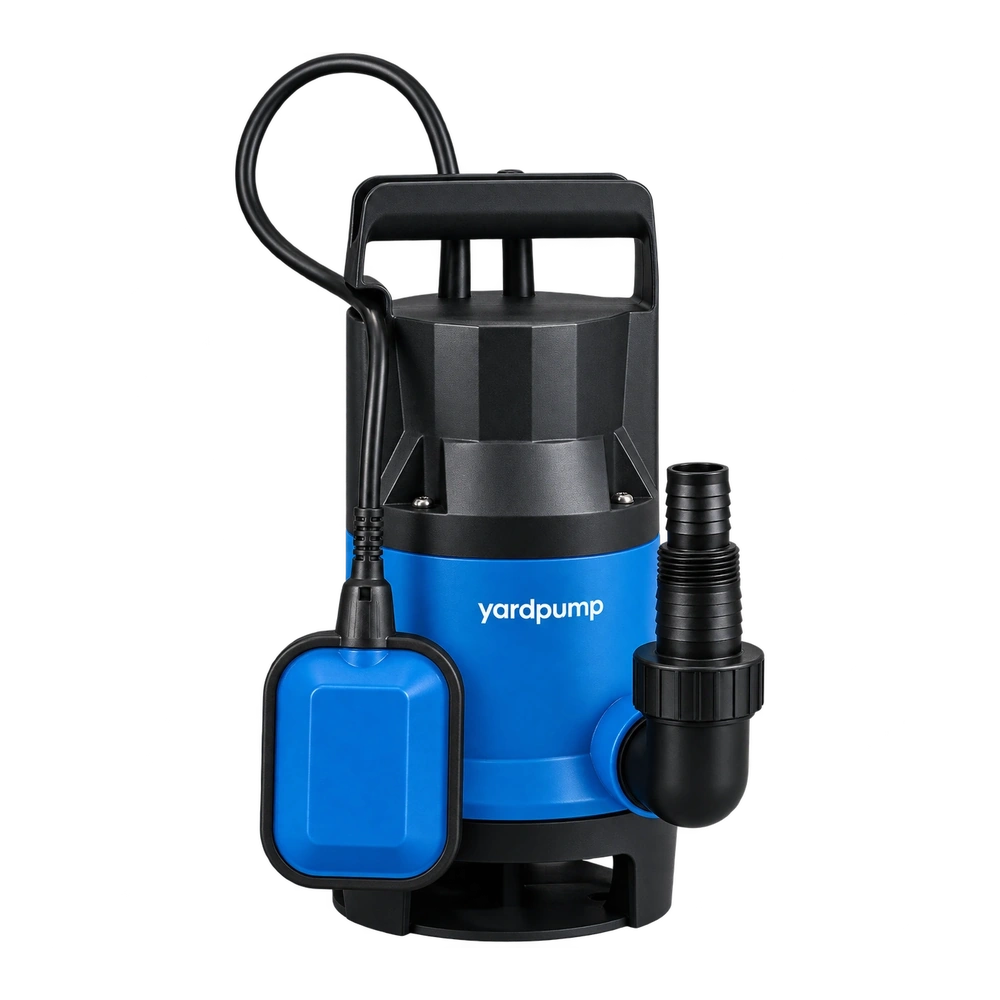
Suppose a line uses the same recirculating tank to check small submersible pumps. Morning readings cluster together. In the afternoon, readings for a new carton of pumps begin to shift in flow or input power. Before assigning the change to the products, review the tank conditions, level, instruments and a stable check pump at the same times. Repeated runs can warm recirculating water and change the amount of entrained air, filter loading or tank level. If the report records only product serials, drift of the bench can look like a change in a lot.
Distinguish tank water temperature from the condition of the pump
Record where and when water temperature was measured. A reading at the tank wall may not describe the pump inlet, especially if warm return water enters one corner. Document any liquid temperature used by the instrument, any conversion and the criteria for a steady reading. Record where the pump was stored and how long it ran before measurement. A cold unit from storage and a check pump that has been run several times may start with different temperatures in the windings, bearings and seal. Water temperature changes liquid properties and cooling conditions. An increase does not establish which direction flow or input power will move.
For scale, suppose 40 litres of water absorb a net 200 watts for 30 minutes. Neglecting other effects, the temperature rises about 2.2 degrees Celsius. That is a heat balance example. The 200 watts are assumed net heat into the water, not a pump nameplate input or a measurement from a factory. A real tank can lose heat, receive make-up water and exchange heat with pumps at different temperatures. The example shows why readings at the beginning and later in the shift are useful. It does not set an allowable change or imply that 2.2 degrees changes an acceptance result.
Use one check pump to detect bench changes
At the start of the shift, test an identified check pump at the specified supply, measurement points, valve setting and level. Repeat at planned intervals, after a change of tank water or filter cleaning, or when temperature leaves the agreed range. Record flow, head and measured real input, along with return location, air bubbles and the stabilization interval. Follow a consistent storage and cool-down procedure for the check pump so it is not tested at a different starting temperature every time. Its measurements can reveal a change in the bench. They do not replace instrument calibration or establish stability for every pump model.
If the check pump and production readings move together, review the bench, supply, water and instruments first. If the check pump holds steady and the difference appears only in one configuration or mould cavity, investigate those units. A common drift does not prove water temperature is the cause. Air entrained by the return, a loaded inlet screen or supply variation may also change through the shift. Restore agreed conditions within the equipment limits and, when useful, retest held samples from earlier and later in the day. Do not raise water temperature or extend pump operation beyond the specified test range for a trial.
Tell the buyer which results still support release
The acceptance plan should state where to measure water temperature, the allowed test conditions, when to run the check pump, what to do when a limit is exceeded and which serials to hold. Keep original and repeat readings with their timestamps. Replacing the first numbers with a better-looking retest loses information. If it is unclear when the bench started to drift, narrow the window using the last confirmed check and assess the affected units under the agreed process. Make a comparable retest before assigning the outcome to a product lot. A buyer needs to know which pumps require a new inspection and which need actual rework.
Frequently asked questions
Should all afternoon pumps be rejected if the water was warmer?
No. Compare the agreed conditions, check pump and product readings to identify the part of the shift that needs review.
Can I skip power if the check pump flow stayed the same?
Do not assume that. Flow, head and real input answer different questions. Use the checks relevant to the agreed test.
Do normal readings after adding cold water prove temperature was the cause?
No. Make-up water can change level, flow pattern and air entrainment. Record what else changed and compare under controlled conditions if needed.