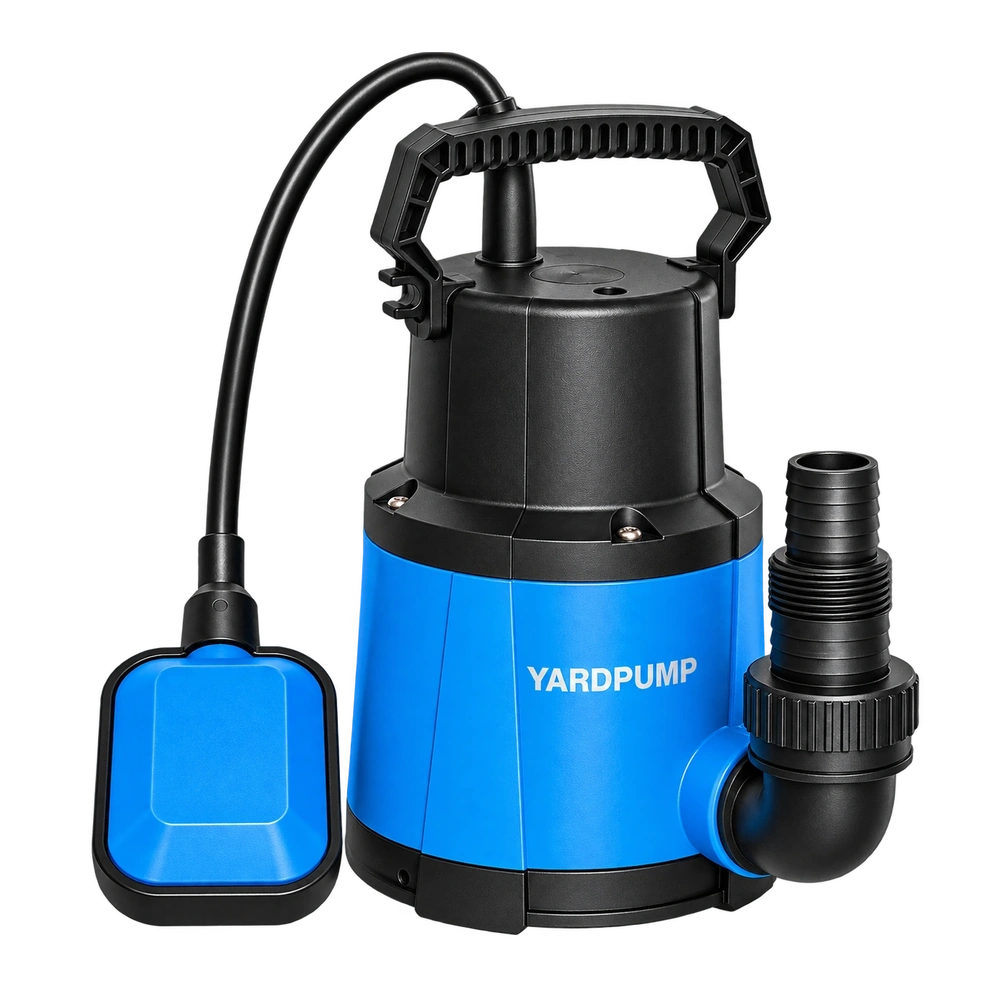
A buyer orders two versions of a compact submersible drainage pump. One is for freshwater, and the other is configured for a specified saline environment. Their housings and outlets look the same. Establish a verifiable identity for each configuration during assembly. Link it to the pump serial, carton and order before dispatch. Once the pumps reach the warehouse, appearance cannot establish which wetted parts are inside. A different sticker does not convert a freshwater pump into a custom one.
Approve the configuration before giving it a separate identity
Saline service calls for a review of the complete set of wetted parts against the agreed liquid, concentration, temperature, duty and cleaning conditions. Shaft, fasteners, seals, housing, outlet accessories and other wetted parts can all affect suitability. Define the confirmed combination as a separate variant. Record its scope in approved configuration and order documents. A stainless part or one seal compound does not establish that every pump with that housing can be sold for saline service.
Check the actual source and lot of the critical parts during assembly. For parts that will not be visible, retain controlled assembly evidence before the housing is closed. The record must tell which approved configuration a unit received, not just that custom pumps were made that day. If an alternative part is allowed, check which duties and versions it covers. A substitution approved for freshwater does not establish acceptance in saline service. Use traceable station records, controlled part IDs or agreed verification without publishing confidential formulations.
Do more than scan the outer label at packout
In an illustrative order, the buyer requests twelve of each version. The warehouse has twelve freshwater labels and twelve custom labels. The totals still match if two units are switched. Read a carton code back to the actual pump serial, then use the serial to verify the assembly and approved configuration. Check any stock that was mixed or reboxed after return. Do not assume the old carton label still identifies the unit inside.
Keep the variants apart before packing and use the correct documentation for each. An agreed check should cover both versions, changeover periods and any reboxed units. Set the scope and decision rule in the purchase plan. If unit identity is uncertain, hold the affected stock. Housing appearance, colour or a single water-test curve does not establish hidden materials. When further inspection is needed, use the manufacturer's approved procedure rather than having warehouse staff open a pump.
Keep the variant visible to service
Dealer listings should describe each confirmed use and its limits. For spares, look up the exact configuration from the pump serial and check that the service parts suit the intended liquid. For a complaint, establish the delivered variant, field liquid and time in use before attributing the cause. Do not describe unverified stock as custom or present a custom option as the specification of all pumps. The receiving check should be able to trace any packed unit back to its actual assembly, intended duty and approval record.
Include a mismatch rule in the warehouse instructions. In a hypothetical example the unit label scans as the special version, but the build record lists an ordinary wet end. Hold that unit and any adjacent serials that need checking even if the rest of the pallet reconciles. Quality staff should trace the build lot and rework before release. If a seal or wet end was changed, retain the link between the original unit identity and the updated configuration. Without a unit-level record the dealer cannot isolate one suspect carton or order a compatible spare.
Frequently asked questions
Does a saline-service carton label prove the pump has the approved configuration?
No. Use the pump identity to verify actual assembly, included parts and approval.
Can the variants be mixed because their water-test flow is the same?
Equal flow does not establish equal material or liquid suitability. Preserve unit-level identity in a mixed order.
Can a same-size freshwater seal go into the custom variant?
Check the approved service configuration and intended liquid for that serial. Dimensions alone do not establish material or pairing.