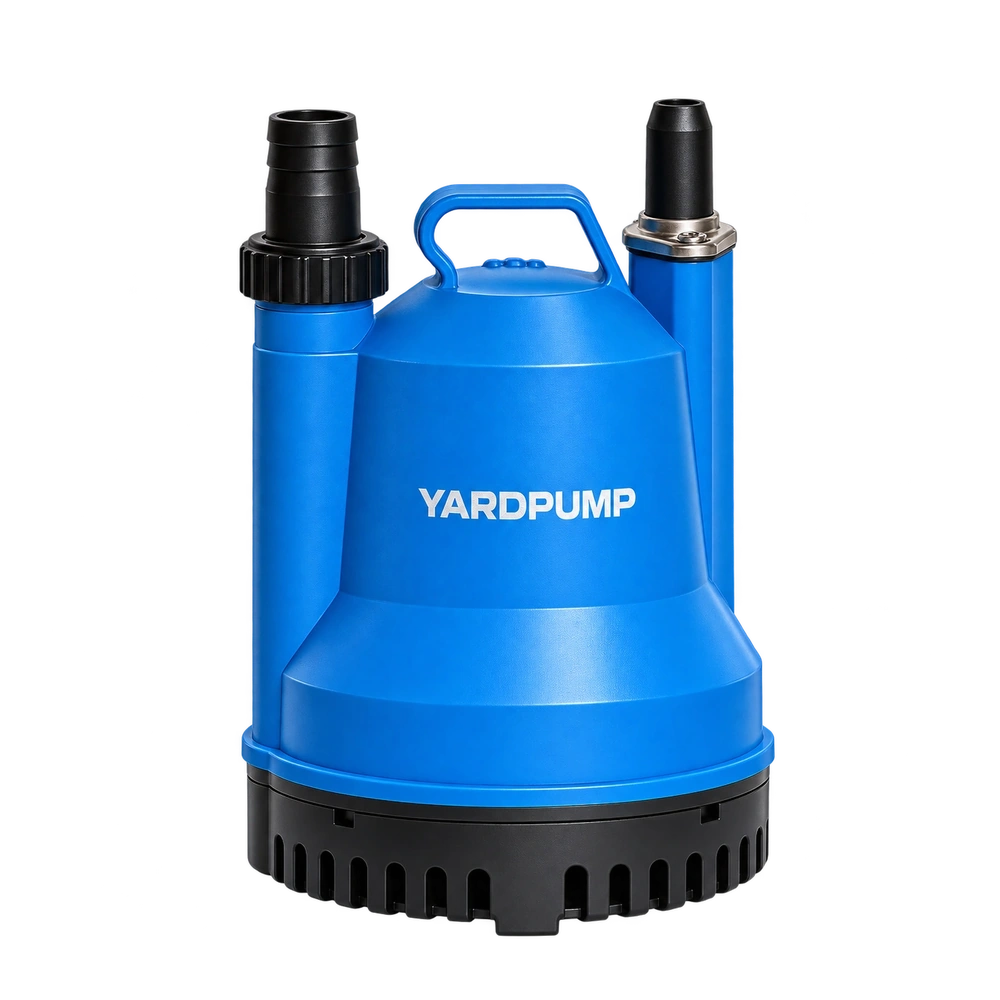
Suppose a drainage pump was still delivering near the end of a muddy water job. Several days later it will not start properly, or it runs briefly without delivery. Fine sediment left in the wet end can harden as it dries. It may block the screen or restrict movement near the impeller. Stop and isolate the pump, then check whether the problem had already started during pumping or appeared after storage. Repeated starts are a poor way to clear a suspected obstruction.
Wet sediment and a dried deposit behave differently
Fine material can settle around low points of the pump, over the inlet face or close to the impeller while the remaining water is still liquid. As the water leaves, some deposits form a crust that obstructs the screen or interferes with a small clearance. A blocked screen can prevent delivery even when the pump runs. Mechanical binding can prevent rotation. Humming or a protection trip alone does not distinguish the two. Grit and fibres in the same liquid can cause wear or become trapped independently of the dried deposit.
A foreign object can cause a sudden change during pumping. A dry deposit deserves consideration after storage, particularly if the pump was put away dirty. These observations are not proof. Nobody may have watched the last part of the previous run, and fibres can be buried in dried material. Say that delivery was observed at the end, or that the condition then is unknown. The distinction changes how much the timeline can tell you.
Preserve the original condition before cleaning
Record the water handled, any approved cleaning or rinsing, what was drained and how the pump was stored. With power isolated, inspect only the surfaces the instructions allow the owner to access. Photograph the bottom and screen before removing the deposit. Note whether it is a dry, widespread coating, material inside a hole, or a strand or hard object jammed at one point. If inspection requires opening the sealed pump or touching electrical parts, leave that work to qualified service personnel. Do not lever the impeller, work on an energised pump or immerse the whole unit in a cleaning solvent.
Service staff should inspect and restore the approved assembly before a powered test. For illustration, consider two returned units. The one that failed after storage has dry deposits in the low areas of the screen and cover. Approved cleaning restores its operation in a permitted clean-water test. The one that lost performance during its last job contains a strand caught by the intake. The two findings support different explanations. If operation does not recover after cleaning, look for damage and other faults rather than leaving the unit powered to see if it frees itself. Refer suspected electrical faults to qualified personnel.
Give users a storage routine they can repeat
Clarify three handover tasks: remove deposits as allowed, drain retained liquid as instructed, and store the pump at the approved orientation and temperature. Whether clean water can be used for flushing or a short test depends on the pump and site. Before reuse, check the accessible inlet and reassemble it correctly, then make sure the water depth and discharge route suit startup. Freezing or contaminated liquid can require different procedures.
An importer can describe the accessible parts, cleaning method, drain position and service threshold in the instructions or parts notes. If the complaint recurs and there are no useful photographs, improve the shutdown record and returns procedure first. Where you need to compare designs in the same sediment, control the storage time and cleaning procedure. Dried mud can point to a missed maintenance step or to a wet end that is difficult to clean. Document the conditions before deciding whether to change instructions, service a unit or select different equipment.
Frequently asked questions
Does a clean-water rinse always prevent binding in storage?
No. A deposit can remain in some areas. Check the approved procedure for cleaning, draining and positioning the pump.
Does normal flow after cleaning clear the motor?
It shows that operation and delivery recovered under that test condition. It cannot rule out every component fault or damage.
What should I send to the dealer first?
Send the location and timing of the first failure, initial photographs of the deposit before cleaning, and the last use, cleaning and storage history.