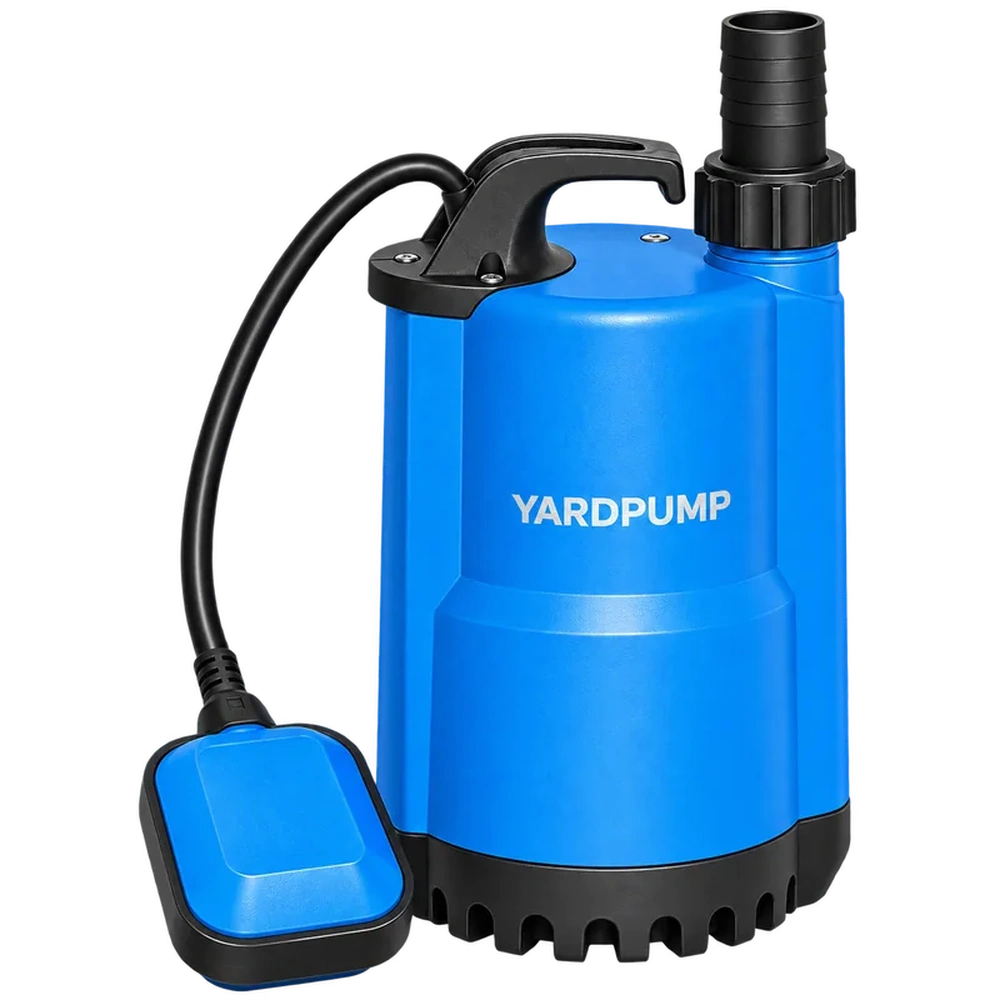
First establish where the water comes from
Water at the discharge-hose connection does not automatically mean the pump's casing or motor seal has failed. The source may be a split hose, misplaced clamp, incorrect adapter, missing seal, mismatched threads or a damaged discharge fitting. Begin by keeping people away from unsafe water and fully isolating the electrical supply. If energized equipment or a wet connector cannot be made safe, stop and use qualified assistance; never reach into water to trace a leak.
Sort by location before assigning fault
| Observed location | Items worth checking | Evidence to request |
|---|---|---|
| Hose-to-barb connection | Hose ID, aging, clamp size and position | Close-up of joint and hose marking |
| Threaded adapter joint | Thread standard, seal design, cross-threading | Photos of both ends and component number |
| Around the pump outlet casting or molding | Cracks, stressed fittings, actual escape point | Multiple views after safe isolation |
| Elsewhere on the body or electrical entry | Potential safety fault requiring qualified diagnosis | Model, batch and professional inspection notes |
Water from a connection above the pump can track down the housing and make the whole unit appear to leak. A wet photograph alone cannot establish a manufacturing defect or user error.
An evidence sequence that does not create a second accident
First ensure the installation is power-isolated and no person must touch equipment in electrified or potentially hazardous water. Next record the hose inside diameter, outlet elevation, connector arrangement and where moisture was first observed. When safely stopped, photograph the mating components, visible gasket, hose-clamp position and nameplate. Preserve any visibly damaged parts without further powered experiments.
Then compare the carton promise, supplied adapter and the approved sample or purchase-order configuration. Escalate to competent service personnel when disassembly or electrical tests are needed. Do not tell a customer to test an energized joint by hand, apply arbitrary sealant, overtighten a plastic outlet or repeat an unsafe trial to assign blame.
Connection size is not a universal seal prescription
G1-1/2 and 1-1/2 NPT are not interchangeable because both include 1½ in the name. Parallel-thread assemblies may seal with a face washer or O-ring, whereas other joints use their own designed thread-seal arrangement. Follow the actual joint drawing and manufacturer's instructions; no single tape or paste is a substitute for identifying the mating parts.
Nominal pump outlet and hose inside diameter are also separate measurements. Severe hose restriction can change hydraulic losses and impose awkward bending loads, but the mere presence of water at a joint does not prove excessive pump pressure. Compare the real installation with the approved configuration.
Give the complaint a traceable SKU record
An importer or distributor should capture purchase order, SKU, batch or serial identifier when provided, selling market, electrical version, pump outlet part and included adapter, customer hose dimensions, installation images, observed leak location and whether the issue appeared on first installation or after service. Retain returned components and competent inspection reports where safe and practical.
Classify the claim as missing or incorrect part, interface mismatch, installation/consumable concern, suspected pump defect or insufficient evidence. Those are investigation buckets, not verdicts. Responsibility follows the actual delivered product promise and verified findings.
Prevent the next dispute at the carton stage
Before OEM production or a new retail listing, align the accessory bill of materials, instruction manual, listing photographs and actual parts in the box. State the discharge thread system, compatible adapter configuration and relevant installation limits. Different export markets may require different reviewed interfaces; “universal connector” without a verified scope invites mis-selling.
YARDPUMP can discuss project-specific discharge, accessory and packaging configurations for defined models. A proposed option is not a standard accessory until the project has confirmed it, and no unmeasured failure or returns improvement should be claimed.