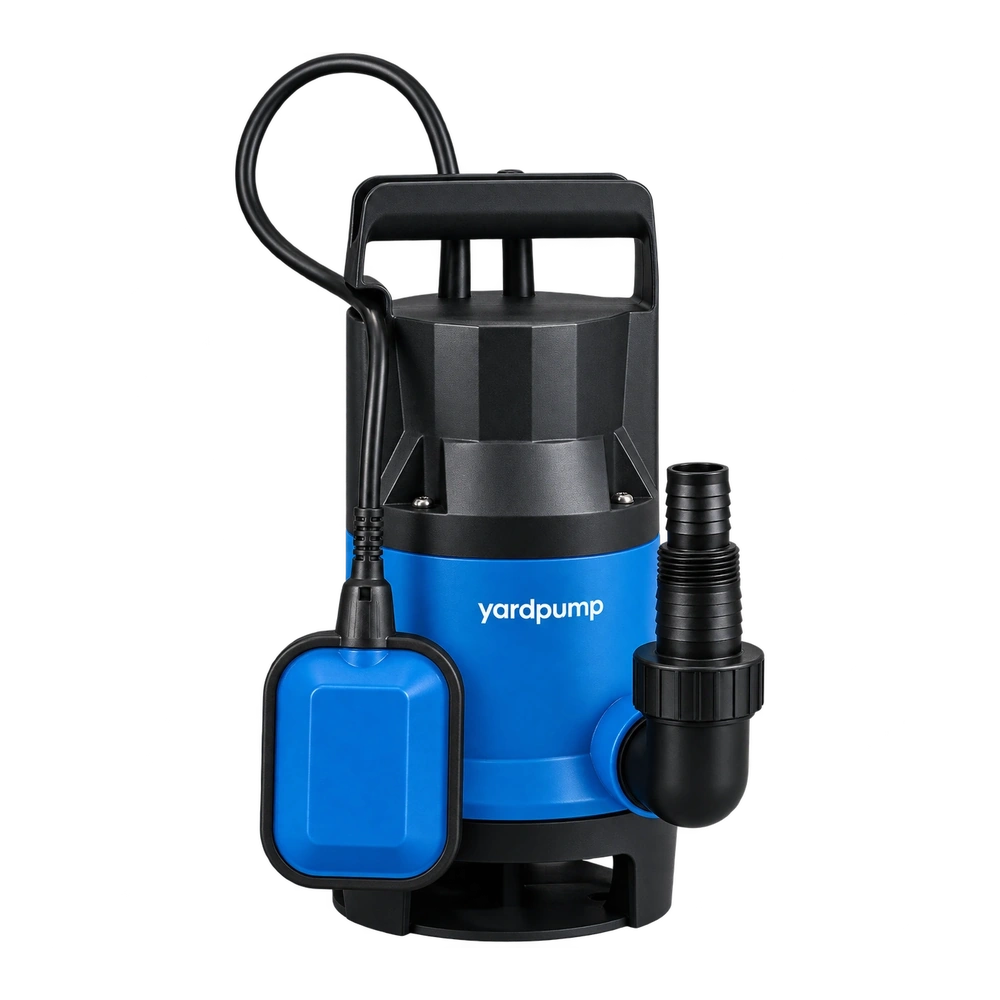
The answer first
A homeowner hears a sharp bang just as the sump pump stops. A few seconds later there may be a gurgle in the discharge pipe. The motor seems to run normally, so the sound raises an uncomfortable question: is the pump failing, or is water striking something in the pipe?
The short answer: A bang at shutoff can come from a check valve closing or from the moving water and pipework reacting to a rapid change in flow. It is not enough to diagnose the motor. The useful clues are when the noise occurs, whether water returns to the pit, whether the pipe moves, and how the installation is arranged. Do not open, loosen or modify a live or pressurized discharge line to investigate.
Separate three sounds that are often called “pump noise”
One impact at shutoff. A check valve in a sump discharge line helps prevent water above it from returning to the pit. When the pump stops, the water column slows and the valve closes. Depending on the valve design, the water movement and pipe support, that event can be audible. A sharp impact does not by itself prove the pump has failed.
Rattle or vibration while the motor runs. This can point to a different set of possibilities: contact with the pit wall, unstable placement, a moving pipe, debris near the intake, or a mechanical problem. These are possibilities to investigate safely, not diagnoses from sound alone. A qualified technician may need to inspect the pump and its installation.
Gurgling or water returning after shutdown. Some water movement may occur in the discharge system, but repeated large volumes returning to the pit can cause unnecessary cycling and should prompt a check of the valve and discharge route. A blocked, frozen or incorrectly routed outdoor outlet may also change how the system behaves.
Record the sequence instead of describing everything as “very noisy”: motor starts; water discharges; motor stops; impact occurs; water level changes; next cycle begins. That sequence helps a plumber or service team separate symptoms.
What a check valve does—and what it does not do
A check valve is a one-way flow component, not a pump-performance booster. Its job is to reduce reverse flow through the discharge when the pump stops. The selected valve must suit the liquid, discharge size, pressure/head, installation orientation and maintenance access. A valve for clean sump water should not automatically be assumed suitable for sewage or abrasive debris.
Installation instructions are not interchangeable. Some check valves are approved for vertical or horizontal placement; other designs have orientation restrictions. Some pump-and-valve arrangements use a manufacturer-defined vent or weep hole to prevent air lock, while certain top-suction pump designs expressly do not require such a hole. A pre-drilled valve component is not permission to drill every discharge pipe. Never add a hole, remove a valve or bypass a safety component based on a generic online tip. Use the exact pump and valve manuals and a qualified installer where necessary.
Why the pipe route matters as much as the pump
The discharge line may rise vertically, turn horizontally and then continue outside. Every bend, change in diameter and unsupported section can affect movement and pressure conditions. A long column of water can create a different closing event from a short line. If the pipe can swing, the impact may be transmitted through wall brackets and framing.
Before discussing a “quiet” valve, have the installer check whether the existing valve is the correct type, whether it is positioned as its instructions require, whether the pipe is supported and whether the discharge destination is appropriate under local rules. A quieter valve cannot fix a blocked outlet, an unsuitable pipe reduction or an illegal connection. Do not route sump discharge into a sanitary sewer unless the local authority explicitly permits that arrangement.
The same principle applies to pump selection. A high maximum-flow number does not guarantee enough flow at the installed vertical lift and friction loss. If the system is frequently cycling, investigate the incoming water, return flow, control levels and discharge arrangement before selecting a larger motor.
A safe five-observation log for the homeowner
You do not need to touch energized equipment to collect useful information. From a dry, safe location, note the exact time of the noise: at motor start, during operation or immediately after shutdown. Observe whether a visible, accessible pipe section moves; do not hold or restrain it while the pump operates. Note whether the pit level rises sharply after the pump stops, whether the discharge outlet is visibly blocked from a safe distance, and whether the problem changes with rain or freezing weather.
Stop using the system and obtain professional help if there is a leak near electrical equipment, a damaged cable, burning smell, tripped protective device, visibly loose pressurized fitting or suspected sewage contamination. Never stand in water to operate a switch or inspect a pump. If the area is flooded and electrical safety is uncertain, have the supply isolated by a qualified person.
A useful service message includes the pump model and electrical version, check-valve brand/model if known, pipe diameter, approximate vertical lift, outlet location, float arrangement, a safe audio/video recording and the sequence of events. That evidence is more actionable than replacing a pump because of one bang.
What this means for a distributor or OEM buyer
If you sell compact drainage pumps, keep pump-body specifications separate from installation accessories. Do not imply that every model includes a check valve, hose or air-lock provision unless the exact boxed SKU does. Product pages should state the discharge connection, compatible accessories and whether installation requirements depend on the local plumbing arrangement.
For a YARDPUMP project, start by selecting a family that matches the water, pit geometry, required flow at working head and control method. Then agree the actual valve, discharge pipe, cable and local-market documentation. The correct answer to “Will it bang?” is not a universal promise of silence; it is a documented installation designed for the real system.
Bottom line: Listen for the timing, watch the water path from a safe place, and verify the check valve and pipework before concluding that the pump motor is faulty.
Frequently Asked Questions
Is a bang when the sump pump shuts off normal? Some valve-closing noise can occur, but a new, severe or worsening impact should be checked; sound alone does not establish a cause.
Will a silent check valve always fix the noise? No. Pipe support, valve sizing, discharge layout and reverse flow also matter. The correct valve must suit the installation.
Can I install any check valve horizontally? No. Follow the specific valve manufacturer’s permitted orientation and the pump installation instructions.
Should I drill a weep hole below the check valve? Not as a universal rule. Some designs require a particular vent arrangement, some components include one, and some pump designs say none is needed. Ask the manufacturer or qualified installer.
Does water returning to the pit mean I need a larger pump? Not necessarily. Check valve function, discharge route, incoming water and level control should be assessed before changing pump capacity.