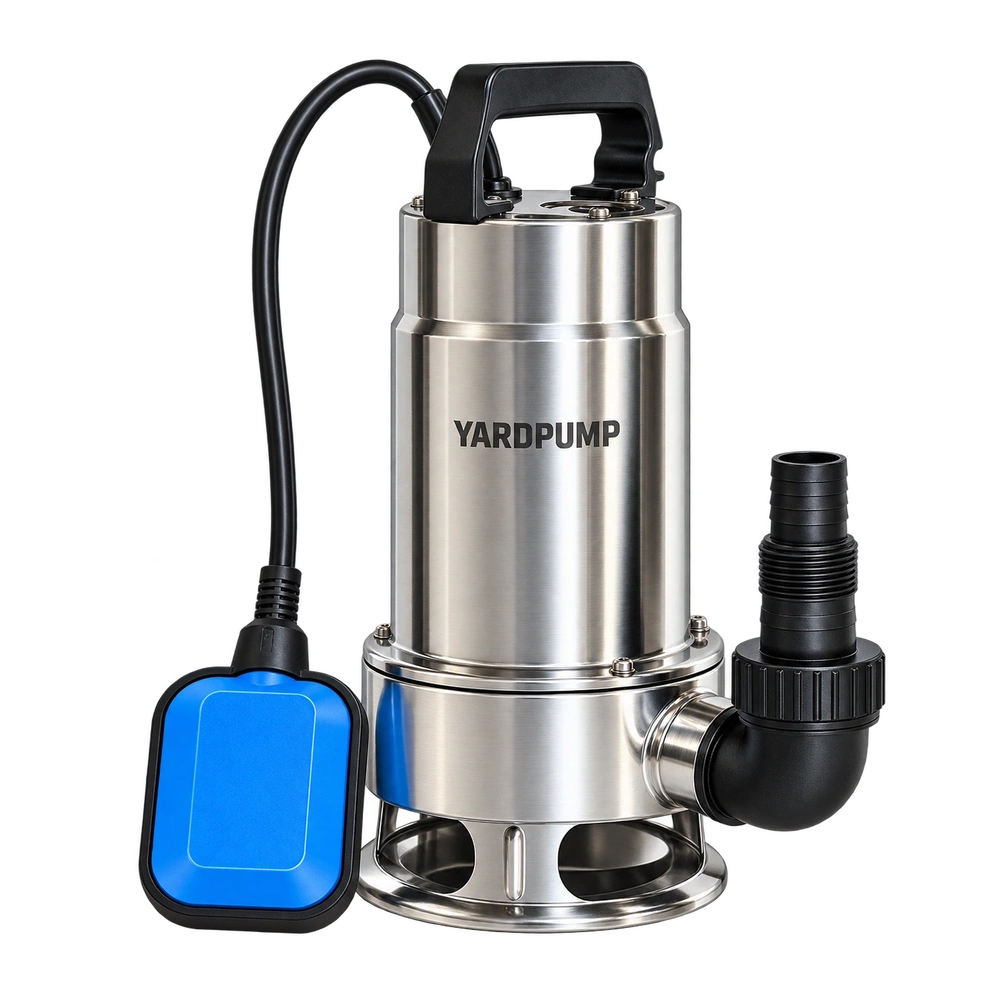
Suppose a probe on a low-level submersible pump shows a brief temperature rise after the pump stops on a test bench. Does that prove the motor continued heating or its protector failed to open? No. Confirm the actual equipment state and safe isolation first, then check the probe, water level and cooling conditions. A local point can receive stored heat from elsewhere after power is removed. The reading still needs verification before it can support a fault or acceptance decision.
Heat can keep moving when generation stops
The winding, core, potting and housing do not necessarily share one temperature. During operation losses produce heat. Part is stored in those materials and part passes to the water or the surrounding air. Once electrical input ends, hotter areas can still release their stored heat toward cooler areas. A point on the housing can briefly warm if it receives heat more quickly than it sheds it, while the assembly as a whole continues losing heat. If the pump has drawn the water below part of the case, the external cooling path may change at about the same time. Redistribution and reduced local cooling can occur together.
A stop command, absence of motor rotation and physical isolation are different conditions. An automatic pump may remain connected and start again. Do not touch a wet pump to judge its temperature, lift an energized unit or improvise live electrical measurements. If there is damage, a burning smell or uncertainty about the state, stop use from a safe dry position and have qualified personnel investigate. On a bench, personnel can arrange the required electrical-state and temperature recording before the run, so documenting the test does not alter the cooling condition.
Keep each trace tied to a fixed point and a time
Log probe position, actual stop time, liquid level and temperature, and whether water is still moving. If one probe remains submerged while another crosses the waterline, record that timing. Do not treat measurements after drying the sensor surface, moving the probe or taking the pump out of the water as a continuation at unchanged conditions. Sensor attachment, a water film and the location of an infrared reading can affect interpretation. Assess a suspected peak with a reproducible installation and a trace that includes the lead-up to shutdown.
In an illustrative run, a housing point reads fifty-seven degrees Celsius at cutoff and sixty-one ninety seconds later. The same period includes a drop in water level below that location. Confirm the sensor before accepting the peak. If it is reproducible, examine both internal heat transfer and the change in external cooling. These are hypothetical temperatures, not limits or measured product results. Where allowed, use the same sensor, initial level and operating duty in a controlled comparison with a consistent water-level history. A change in the late peak then supports investigation of the cooling boundary; it does not necessarily exclude internal temperature redistribution or other measurement effects.
Decide what information would actually close the case
A short local peak with no comparable trace or defined conditions should be reported as a surface observation. Verify winding rise, the protective device or allowable operation by the relevant approved method. A housing result cannot replace the winding measurement. If temperature continues rising, the equipment restarts unexpectedly or isolation is uncertain, retain the timeline and do not extend the run to find a higher peak. Leave the investigation to qualified personnel. The value of the surface reading is that it can point to the best next check, rather than assigning the fault to a component on its own.
Frequently asked questions
Can a local point warm after power is definitely isolated?
Yes. Stored heat can move into that location temporarily. Confirm the cooling conditions and measurement.
Can the housing peak be used to calculate the winding temperature?
No general conversion applies. Use an approved winding test or a validated thermal model for the assembly.
Should the pump be lifted out immediately so I can check the housing?
Do not move it simply to take a reading. Use a safe authorized procedure that keeps the equipment state and cooling conditions documented.