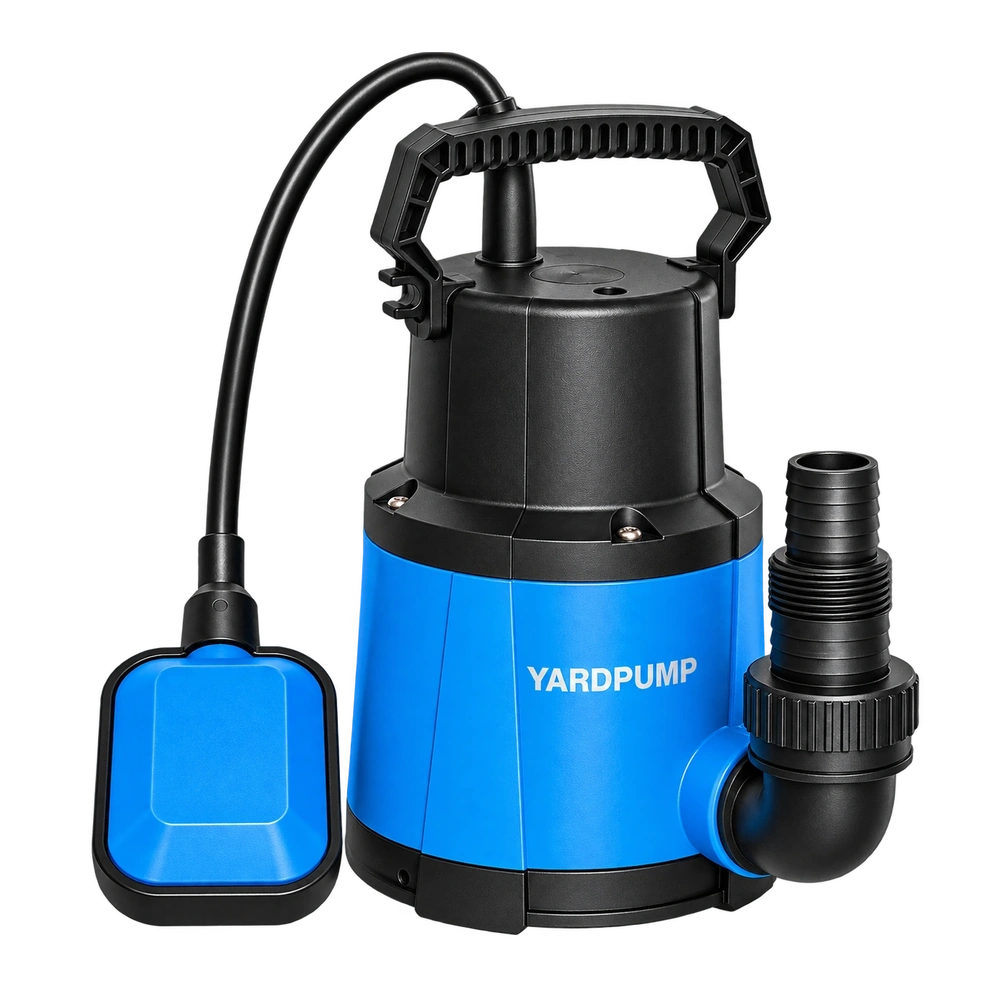
The answer: restarting is not permission to carry on
A submersible pump that stops during operation and starts again later has not thereby proved its thermal protection is functioning correctly. Nor does an automatic reset make dry running acceptable. Thermal protection, where fitted to the specific electrical build, addresses particular motor-temperature conditions. A stop could also involve level control, supply faults, hydraulic restriction, mechanical drag or a separate protection device. Isolate unsafe equipment and establish the operating conditions before making a claim.
Four stop patterns that must not be confused
| Observation | Possible explanation | Safe next step |
|---|---|---|
| Stops at a repeatable water level | Float or level sensor operates normally | Compare actual switching levels with the approved instructions |
| Intermittent stop during an abnormal hot-running period | Cooling, overload, blockage or another fault | Isolate the supply and arrange competent inspection |
| RCD/GFCI trips | Potential leakage, wet connections or electrical fault | Stop use; never bypass or repeatedly reset protection |
| Motor appears to run but no water is delivered | Low water, air lock, blockage or discharge issue | Disconnect power before any inspection of inlet or hose |
A visual symptom does not identify a single root cause. A video or telephone description is useful evidence, not a substitute for a qualified electrical and mechanical check.
Why a motor protector does not supervise the water level
A submersible pump needs its specified liquid conditions and cooling arrangement. Air entering the inlet, insufficient water cover, blocked strainers or operation far from the intended duty point can change both heat dissipation and load. Even a self-resetting motor protector cannot be assumed to respond in time to every dry-running condition. It is not a general-purpose dry-run sensor.
Continuous duty, thermal cutout, minimum water level, control stop level and maximum installation depth are different specifications. YARDPUMP's current standardized maximum submersion figure of 5 m is neither a minimum operating-water level nor a claim of unlimited continuous running. Check the exact approved model revision.
What after-sales should record without creating another hazard
Request the model and nameplate, destination-market voltage and frequency, liquid and approximate temperature, water-level sequence, inlet and hose arrangement, discharge rise and whether a float can move freely. Where safe, collect observations taken from outside the hazardous area and information about alarms or protection devices. Do not ask a consumer to touch powered equipment in standing water for a photograph.
Never instruct a customer to bridge a thermal switch, tie up the float, open the motor housing, keep pumping until dry or repeatedly reset an RCD. Burnt smells, damaged cables, wet electrical connectors, abnormal noise or repeated electrical trips call for immediate isolation and qualified service in accordance with the manual.
Write the protection claim into an approved version, not an advertising slogan
For an OEM or distributor order specifying thermal protection, identify whether that precise variant includes it, the protection type, the expected trip/reset behavior, the evidence available and the wording permitted in the instruction manual. Keep the claim aligned across sample, bill of materials, nameplate, carton and seller listings.
A distributor's intake form can distinguish electrical-safety stop, normal level-control stop, low-water condition, hydraulic/mechanical restriction and undetermined cause. Those categories make later analysis more disciplined without pretending to prove a diagnosis or any claimed reduction in warranty returns.
The safe sales statement
Say: “We need the exact model version, minimum water level, protection configuration and operating limits before advising on the stop.” Do not say: “A thermal protector makes dry running safe,” or “It restarted, so there is no risk.” Where diagnosis is uncertain, stop use and refer the case to a qualified professional.