A newly fitted mechanical seal leaks during its first wet run. The surfaces looked polished, so the service team suspects the spring or face flatness. Before altering the assembly, check whether packaging protection or adhesive residue remains on a working face. Remove only what the seal supplier identifies as removable protection; some surface layers are intentional parts of the seal design.
Identify the layer before trying to remove it
A loose protective film, label or packaging pad differs from a functional coating or engineered surface feature. Colour, gloss and the fact that a layer looks thin do not establish its identity. Compare the exact seal part, packaging and installation instructions. If those do not explain the surface, quarantine the part and ask the supplier rather than scraping it experimentally.
The distinction matters because mechanical seals depend on the condition and relationship of their working faces. Adhesive, packaging fibres or a remaining film can disrupt the intended interface. However, removing a legitimate coating can also damage performance. The correct decision is identification followed by the approved handling method, not a blanket instruction to polish every ring until it looks bare.
Inspect without destroying the cause
Isolate the pump and have qualified personnel access the seal through the applicable service procedure. Preserve the as-found orientation and photograph the affected face with suitable lighting. Retain the packaging, protective material and any detached fragments with the unit identity. Wiping the surface immediately can remove the very evidence needed to distinguish assembly contamination from a damaged face.
Inspect both mating faces and the surrounding chamber. A residue found elsewhere does not prove it crossed the sealing track. Note its location, continuity and relationship to any wear marks. A first-run leak may also arise from a chipped seat, wrong installed height, secondary-seal damage or another path. Finding a film should guide investigation without ending it prematurely.
Cleaning is a controlled operation
Follow the seal supplier's instructions for permitted cleaning agents, wiping material and handling. A solvent that removes adhesive may attack an elastomer, binder or adjacent plastic. Abrasive paper, metal blades and household polishing compounds can alter precision surfaces. Do not use these as an improvised service method.
For an illustrative receiving check, inspect an unopened seal from the same supply lot and compare its protection with the installed part. If the original film is still present on the failed unit but the instructions require its removal, the assembly record has a clear discrepancy. That observation still does not prove the faces remain serviceable after running. Heat or debris may have caused additional damage requiring replacement.
Prevent recurrence at the assembly station
Define a packaging-removal step with a visual reference for the exact seal. Keep the clean working area separate from adhesive labels, foam and loose packing material. Verify the part identity and face condition at the point of assembly, not just at receiving. Operators should know which protective items are removed and which coatings must remain.
After a correction, repeat the required sealing and operating verification using the approved assembly. Do not increase spring load or fastener torque to overcome suspected contamination. Such adjustments can hide the original condition and introduce new failure modes.
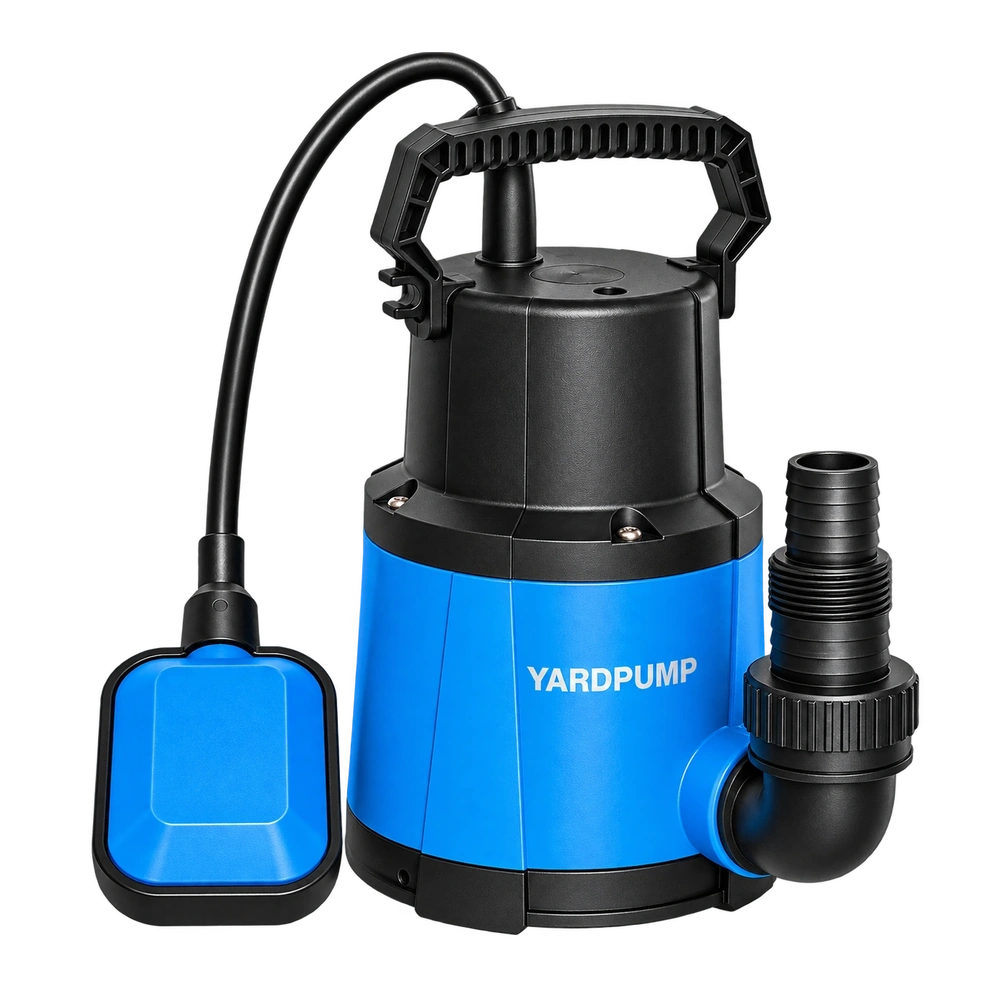
For a compact YARDPUMP pump repair or OEM seal change, the relevant supplier instructions and approved seal assembly govern handling. This article does not claim that its seals normally arrive with a removable film. It provides a specific first-run fault check: establish what is on the face, preserve the evidence and assess the entire seal before deciding whether cleaning or replacement is appropriate.
If the protection format changes, inspect the incoming batch and work instruction together. A new transparent film can be less obvious than the previous opaque cover, while the seal part number may remain unchanged. Ask the supplier to notify packaging changes that affect assembly. A clear removal illustration at the station is a more reliable control than relying on operators to recognize every possible film by touch or shine.
Frequently asked questions
Should every visible film be removed?
No. Identify removable packaging protection separately from a functional coating or designed surface.
Does removing residue guarantee the seal can be reused?
No. The first run may have damaged the faces or other parts. Reuse requires the approved inspection and verification.
Can extra spring pressure stop a residue-related leak?
Do not make that adjustment without design approval. Correct the identified cause and restore the specified assembly.