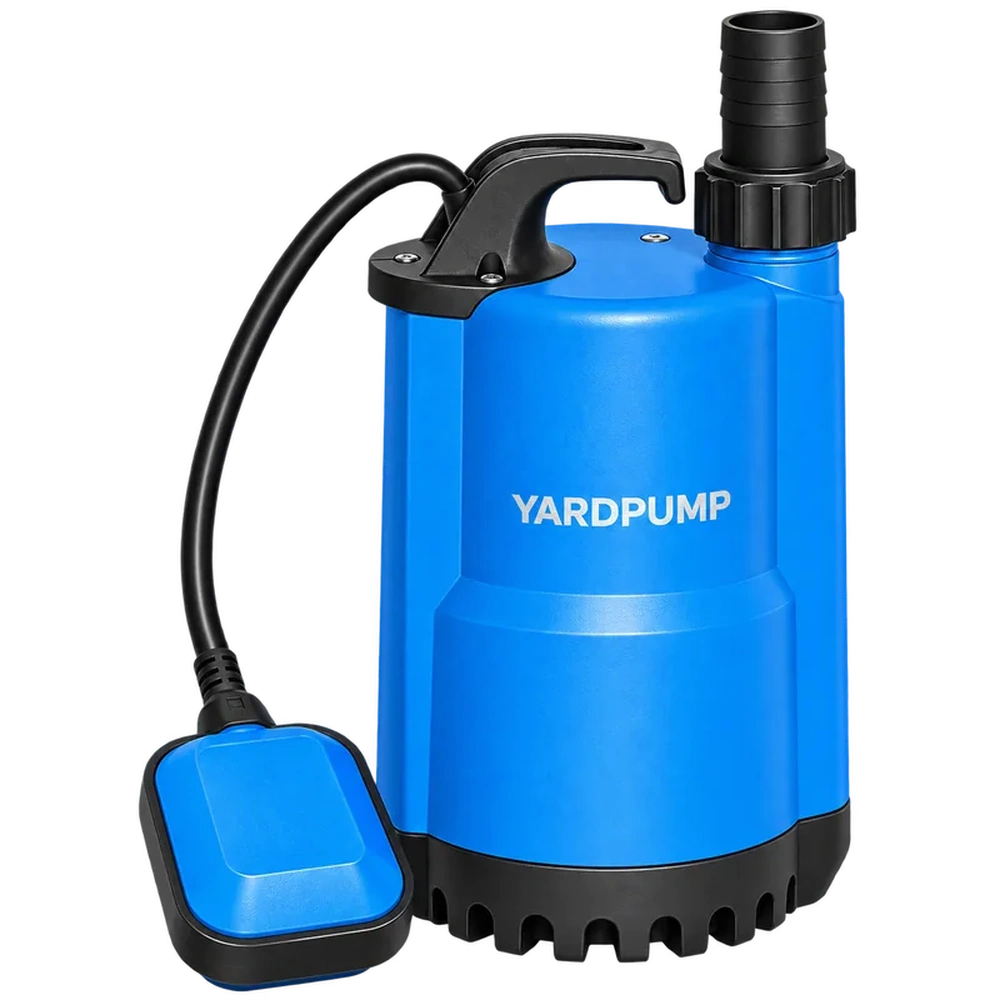
A drainage pump gets new seals and bearings during service but produces a rough sound on its first wet run. After inspection, the bearing raceway has several small dents. Was the bearing damaged while being mounted, or did particles reach it? Map the marks and preserve the grease and assembly records first. When a rolling element passes over hard debris, it can indent the running surface. A mounting load transmitted through the rolling elements or a static impact can leave dents too. One close photograph rarely separates them.
Preserve the grease and orientation
After safe electrical isolation, authorized service personnel should mark how the bearing rings and shaft sat and retain the shaft, cover, seals and mounting records. Preserve representative lubricant or particles separately where the approved inspection allows. Do not wash away the traces before photographing them, or open sealed bearings to relubricate them in the field. Colour and texture may suggest contamination but do not identify its source. Fragments from a previous failure, corrosion, dirt from a bearing housing, or residue moved from a wet end during service can reach the same bench. Debris in grease does not prove it entered during pumping.
Irregular dents scattered through a running track support a debris hypothesis, especially where relevant particles are retained. Dents spaced like the rolling elements may follow an impact or an assembly load through the wrong ring. A repeating pattern can also appear after vibration at rest or localized moisture corrosion. Check the dent shape, running path, signs of corrosion or surface distress, assembly load information and shipping or storage condition together. A brief hand spin of an unloaded bearing cannot prove its fitness for the repaired unit.
Match the corrective action to the evidence
In an illustrative return, irregular small dents appear in the working track, hard fragments are found in grease and the same repair tray was used for a dirty wet end and bearing assembly. Investigate cleaning, storage and particle transfer before fitting another bearing. In a second example, regularly spaced marks are present after mounting, and the force trace and tool contact show loading on the wrong ring. Investigate the force path, alignment of the tool and the fit rather than treating it as a cleaning issue. Neither example supplies a universal count of dents for rejection. Where both patterns coexist or details are incomplete, hold the assembly until the repair authority can decide what additional examination is justified.
Separate the disposition of the damaged part from the process correction. Particle indentations can increase local contact stress. Inspect where debris can remain around the old seal, housing cavity or rotor after disassembly. For suspected mounting damage, verify fits, alignment and tool support on representative parts. Use the approved clean assembly and wet checks for the model before releasing it. Where a seal or electrical barrier was opened, include the applicable qualified verification for return to use. A soft-solids passage on a clean-and-dirty-water pump describes the wet end; it does not mean particles belong in the motor bearings.
Make the next repair more informative
Keep the bearing and grease samples linked to the job and note which inspection occurred first. Establish a clean comparison before disassembly, so a later particle finding can be interpreted. A second new bearing installed on an unchanged dirty station or with the same wrong load path will not test the hypothesis. The aim is to prevent both failures rather than deciding which team should pay for the spare.
Retain the failed bearing and an untouched part from the same repair batch when practical. Photograph the inner and outer raceways with the relative assembly direction still marked. If a dent has started to spall, use the remaining marks and the actual press records together to reconstruct the load path before deciding whether to change cleaning or tooling.
Frequently asked questions
Does finding one particle justify scrapping the whole bearing lot?
Start with a hold defined by part identity, station and plausible exposure. Use the approved assessment to clear or reject affected material.
Do evenly spaced dents prove a mounting error?
No. Look for overload geometry and tooling evidence, and check other causes such as impact, vibration at rest or corrosion.
If the new seal is sound, why check cleaning?
Debris can move across the repair bench before the pump runs. A sound seal does not remove fragments already trapped in the housing or introduced during service.