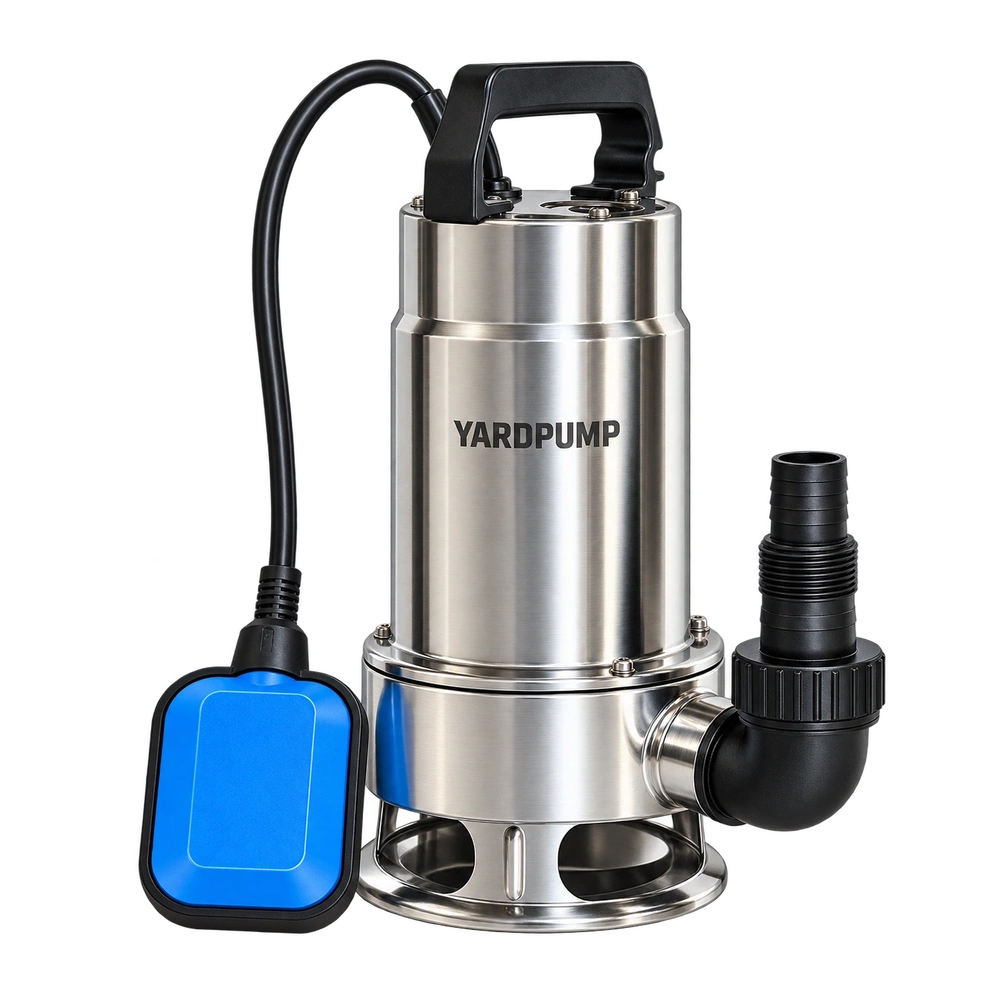
Consider this example of an investigation into shaft movement. A returned submersible pump has marks on both sides of the impeller and measurable shaft movement. After disassembly, the snap ring appears to be in a groove. Should the service team order a bearing? First determine whether that ring is part of the specified axial location, whether its effective circumference is engaged and whether the opposing shoulder is intact. A visible ring does not necessarily support the load in the intended direction. Some pumps rely on a shoulder, cover, shim, thread or a combination of parts to locate the rotating assembly.
Trace load through the actual drawing
An external ring on a shaft and an internal ring in a bore do not use the same working diameter, tools or supporting geometry. From the drawing, trace the axial load through the bearing ring, shoulder, spacer and retaining ring. Confirm the approved ring identification and finish, and check groove position, width, depth and the end geometry of the adjoining parts. A large chamfer may put contact near an edge of the ring. A raised groove edge can hold a section short of full seating. A gap at the opening can be a normal feature; seeing it proves neither correct seating nor a missing piece.
For illustration, suppose a cold reading without significant load meets the agreed end float requirement, but the recorded movement increases after a validation in the approved load direction. A lifted portion of the ring or a fresh witness mark on the groove edge would warrant checking engagement and the loaded face. If the ring still sits securely but the bearing moves relative to the shaft, the fit, seating and shoulder deserve attention. These are diagnostic cases, not suggested loads or a rule that all bearing arrangements must have zero movement.
Use a controlled seating and movement check
Qualified personnel should isolate the equipment and unload the assembly in accordance with its service procedure. Spring parts can fly free; use the approved fitting tools and precautions. Clean the groove as permitted, without digging at it or stretching the ring to make it fit. Inspect the effective circumference and support surfaces that can be seen. Use the approved viewing position, gauge or witness sample for an obscured area. Take movement readings with the same contact datum, load direction and force condition. Moving the measurement contact from a shaft end to an impeller feature may introduce movement of a different component. Never energize an opened pump to see whether a ring moves.
An incoming or assembly check can preserve the groove measurements, ring part number, seating confirmation and axial movement result together. If a ring repeatedly comes out, retain the original pieces, matched photographs and before and after readings. Review effective groove engagement, wrong ring installation, end support and unexpected axial loading before deciding how widely to contain the lot. A harder ring can transfer load to a groove edge that is not suitable. Restored operation after one reassembly is not proof that the original cause has been removed.
Think of the record as two questions: what moved, and what should have held it? The first needs a defined reading under the right conditions. The second needs a drawing and a physical check. An answer to one alone is a poor basis for a return decision.
Record the bearing lot as well, so an assembly problem can be distinguished from a single component return.
Keep a picture of the adjoining chamfer with that record, as its contact marks can help separate poor seating from an unsuitable mating shape.
Frequently asked questions
Does measured end float prove the snap ring has failed?
No. Compare total movement with the approved method, then identify the parts that move relative to one another.
Can a matching used part be the only inspection standard?
No. It can help identify components, but hidden seating must be checked by the drawing and approved method.
Does a ring that fits both ways have no orientation requirement?
Follow the ring and assembly documentation. Different ring designs and load faces need different decisions.