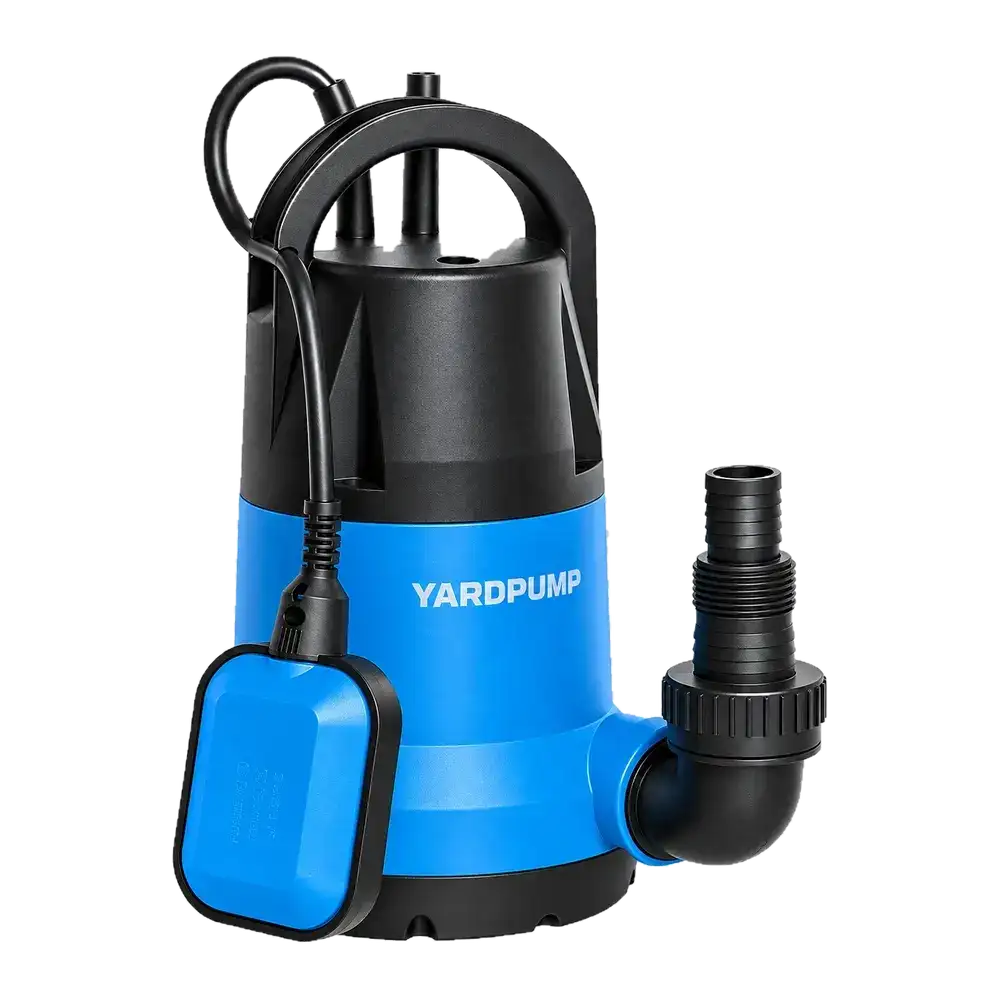
A plastic submersible pump comes through inspection with a smooth potting surface where its power cord enters the housing. An internal review cuts a sample and finds small cavities below that surface. A polished-looking top cannot show whether the encapsulation has bonded around the cable and housing all the way down. A cavity in a section does not by itself prove water can travel through it, either. Relate the enclosed path to the actual assembled test and the process used to make the part.
Look for continuity, not just the number of bubbles
Potting in a cable entry may need to fill between the jacket and the enclosure and maintain a boundary after cure. Entrapped air, material not reaching a narrow region, surface contamination and cure or handling can leave voids or weak contact. The important question for leakage is whether a defect connects exposed water to a protected region. An isolated bubble can have a different effect from a narrow band of incomplete contact around the jacket. It may still matter to structural strength or insulation if it lies in a critical place. Those criteria come from the approved construction and process.
Water can also use a different route, such as a damaged cable or a housing joint. Do not assume that simply finding porosity in potting explains every wet return. Establish which surfaces were exposed and preserve the cable and strain relief in their original condition. On a product with multiple versions, verify the jacket material, treatment and part number for the actual sample. The same encapsulant may behave differently on another surface.
Pair nondestructive evidence with controlled sections
A qualified lab should run the relevant assembled checks under the approved conditions first, and record what passed or failed. Internal disassembly and sectioning belong to authorized staff on isolated specimens: they invalidate an ordinary finished sample and can create new cracks or edge damage. Compare the same section positions on retained normal and suspect units. Use sufficient adjacent views or another validated method if the engineering question is continuity. A single cut through one void cannot tell you what meets it farther around the cable or at a different depth.
If engineering uses a compatible tracer or imaging method, document the order of the test, the sensitivity, and a reference so that the team can distinguish an original path from one opened by cutting. Do not introduce tracer into an installed pump, use energized units to find a water route, or infer a track from stain on an unprotected cut surface. Label each sample by condition, cord lot, assembly version, cure time and orientation. Keep destructive samples out of service stock.
An illustrative finding is a small internal round void in both the suspect and an intact reference, with a possible interface channel along the outer jacket only in the suspect. If product verification and controlled sections support that channel too, investigate coverage and bonding rather than raising a blanket “no visible bubbles” requirement. If the section is ambiguous and the assembled verification is sound, retain the uncertainty. Engineering still needs to assess the intended safety and reliability consequence, even without proof of a leak.
Control the operation that creates the defect
Work with the potting supplier and pump engineering to verify actual materials and conditions: cord and housing preparation, material mixture and handling, fill path, cure and where the cord is held. Confirm process changes with representative assembled units and relevant tolerance and conditioning cases. Use the approved product checks for release. A process change validated on a clear test cup is useful for development but cannot alone approve the real cable joint.
Procurement or quality staff should be able to trace a questionable result to a material and assembly lot and know which related units need hold or retest. Keep the section evidence with engineering, not as a DIY repair for a returned pump.
Frequently asked questions
Must all visible pores be judged by the same limit?
No. The acceptance depends on location, continuity and the approved criteria for the specific enclosure.
Does good potting prove the cord itself is undamaged?
No. Cable and enclosure paths need their own inspection.
Can a sectioned passing sample go back to stock?
No. Once cut or disturbed for destructive verification, it no longer represents a finished unit for shipment.