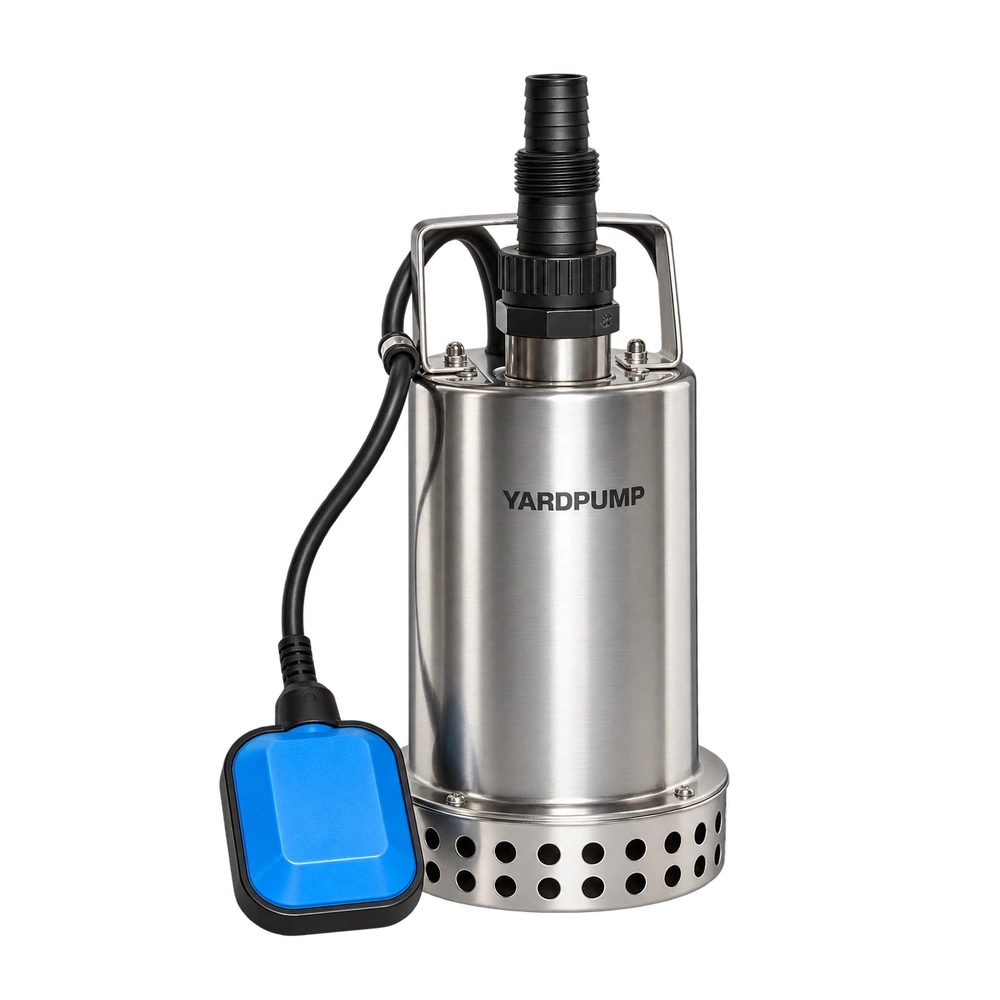
An installer wants to pass a power cable and a float cable through one round sealing insert. The nut tightens, so is the entry watertight? A single circular hole intended for one cable does not automatically seal two touching cables. Use the approved entry structure, including a correctly matched multi-hole insert where that design is permitted.
The gap is a geometric problem
A round elastomer insert compresses around a defined cable surface. Two round cables placed side by side leave different contact regions, including the narrow interface between them. Tightening the outer nut may deform the rubber without producing controlled sealing pressure around both complete circumferences. A secure grip does not prove that every water path is closed.
Cable outside diameter is therefore not enough to describe the proposed assembly. The number of holes, their diameter and spacing, cable roundness, sheath material and insert design matter. Adding the two cable diameters and choosing a large single hole does not recreate two independent sealing paths.
Multi-cable entries are engineered assemblies
Purpose-made multi-hole inserts can accommodate specified cables in separately formed openings. Their protection depends on the complete gland, insert, cable ranges, installation and any required closure of unused holes. An empty hole or an improvised plug can invalidate the intended arrangement.
Check the exact approved part rather than copying dimensions or ratings from a different gland. A generic product page offering multi-cable entry does not approve its use on a particular pump. The pump housing interface, thread seal, immersion conditions and mechanical restraint must also remain suitable.
More torque is not a substitute
Overtightening can damage a sheath, distort an insert or stress a plastic housing. It may temporarily close one visible gap while leaving an uncontrolled internal path. Likewise, filling the void with an arbitrary silicone or adhesive adds an unqualified material and can interfere with later service.
For an illustrative design review, sketch the two cable cross-sections inside the proposed single opening and mark every sealing interface. Compare that with the approved multi-hole arrangement. The drawing makes the missing contact regions visible; it is not a calculation of acceptable compression or proof of leakage performance. Those require the responsible design and validation.
Release the complete entry
If a new control cable is needed, ask the manufacturer for its supported entry or external connection route. Do not drill or modify an existing pump housing without approval. Cable entry changes can affect electrical insulation, strain relief and protection as well as water tightness.
Qualified personnel should install and verify the approved assembly after electrical isolation. Inspection needs the exact cables, insert identity, unused-hole treatment, assembly condition and applicable sealing evidence. A short dry test does not automatically cover movement, temperature or immersion. Retain the released drawing and parts identity for production and repair.
For YARDPUMP compact pump applications, this guide explains why an apparently tight adaptation requires review; it does not claim that every family uses a serviceable gland or offers a multi-hole option. The useful decision is to preserve a qualified sealing geometry, rather than forcing additional cables through an opening whose original purpose has changed.
An unused opening in a multi-hole insert deserves the same attention as an occupied one. Confirm the approved blanking element and its assembly, if any, rather than cutting a short piece of random cable to fill the hole. The gland’s environmental statement applies to a defined complete condition. This is another reason to obtain the exact entry drawing when changing controls, rather than treating spare holes as harmless future capacity.
Frequently asked questions
Can two cables fit if their combined width is within the range?
Physical fit is not sufficient. The seal must be designed for their number, shape and individual diameters.
Can sealant fill the remaining gap?
Only a specifically approved design may use such material. Arbitrary filler does not establish a qualified cable entry.
Does a multi-hole insert guarantee the whole pump's protection?
No. The complete entry and pump interface still need the applicable approved configuration and verification.