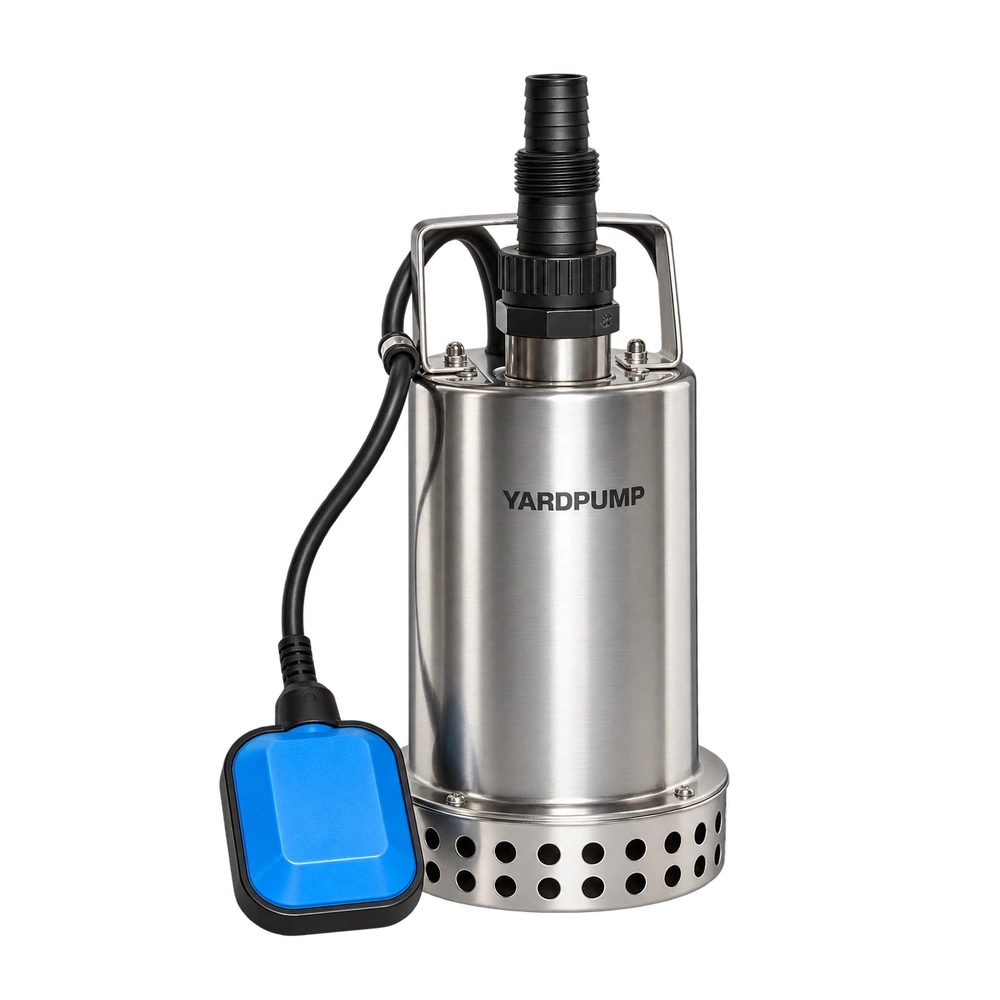
A low-level submersible pump runs through a drainage trial. A point just above the retreating waterline gets warmer than a point still below it. Does that mean the winding is overheating? The casing map is evidence about where heat leaves the unit and which areas are covered by water. It is not a direct winding temperature measurement. Keep the water level and timing with the map, then assess the approved internal temperature or protection requirements separately.
A changing waterline changes the cooling boundary
The same point on a casing can transfer heat differently when it is under water, intermittently wet or exposed to air. A wet film can evaporate; a flooded portion can carry heat into moving water. The result also depends on material, contact with internal parts, internal circulation and the movement and temperature of the bath. A dry spot is not always the hottest one, and the surface response can lag behind the water level or motor load. The pump’s control and permitted minimum running level remain the limits of the trial.
A shift in case temperature can also come from changes in pump duty. As source water falls, the lift may increase and flow may decrease. The applied electrical load and internal cooling paths can change together. Compare the pump’s measured operating point and time history before attributing every change to whether the spot is wet. Separate a real change at the surface from an attachment or sensor reading problem. A sensor partly wetted by flowing water may be measuring a mixture of surface and ambient conditions if the method is not qualified.
Record one set of positions over a complete allowed cycle
Under a qualified lab procedure, define a reference height, fixed locations on the casing, where the water level is observed and the start and stop conditions. Use sensors and fastening suitable for the wet duty and safe electrically. Do not drill, modify or open a live pump to add sensors. Record local water temperature, case readings, current or active power as appropriate, flow and duty, and the instant each location passes the waterline. A case map with readings all taken at different times may look spatial even when it mostly reflects warm-up.
For illustration, a point just above the minimum permitted level is at 36 °C while it is still covered. Later, at the same measured flow and near the same bath temperature, it reads 43 °C after exposure to air and settling for the agreed observation interval. Another location still under water changes much less. The example suggests noting the effect of coverage and timing. It does not show the winding reached either temperature or that seven degrees is the expected difference. The real motor design, sensing method and operation dictate what the map means.
If an unexpectedly hot spot appears, repeat the permitted cycle under matched initial water and pump conditions. Compare another verified sensor or reference location. Use a water level measurement at the pump rather than one from a separate tank unless their levels are known to track. If a test approaches a condition that the product team does not permit, stop the test; do not disable thermal protection or continue in air to force a clearer result.
Use the map to improve the test, not to change safety limits
Share the time plot and case positions with qualified engineering. If the effect repeats only once the surface is exposed, inspect whether the chosen operating water level and duty are within the design. If several wet points warm together, review tank temperature and loaded conditions first. If the intended decision is whether a winding meets an allowable temperature, obtain the approved internal method or other applicable validated measurement; a case map can help select conditions for that test but does not replace it.
A purchasing report should state water levels, start and stop conditions and which temperatures are case values. That makes it possible to compare another sample without accidentally comparing a wet spot with one in air.
Frequently asked questions
Is the hottest case point always closest to the winding hot spot?
No. Heat paths, materials and local cooling can put those positions apart.
Can hand feel confirm whether the waterline is safe?
No. Follow the instructions and use a safe approved test. Do not touch energized equipment in water.
Should every case reading be taken after shutdown?
Record as required by the method. Temperature can redistribute after stopping, so state the timing.