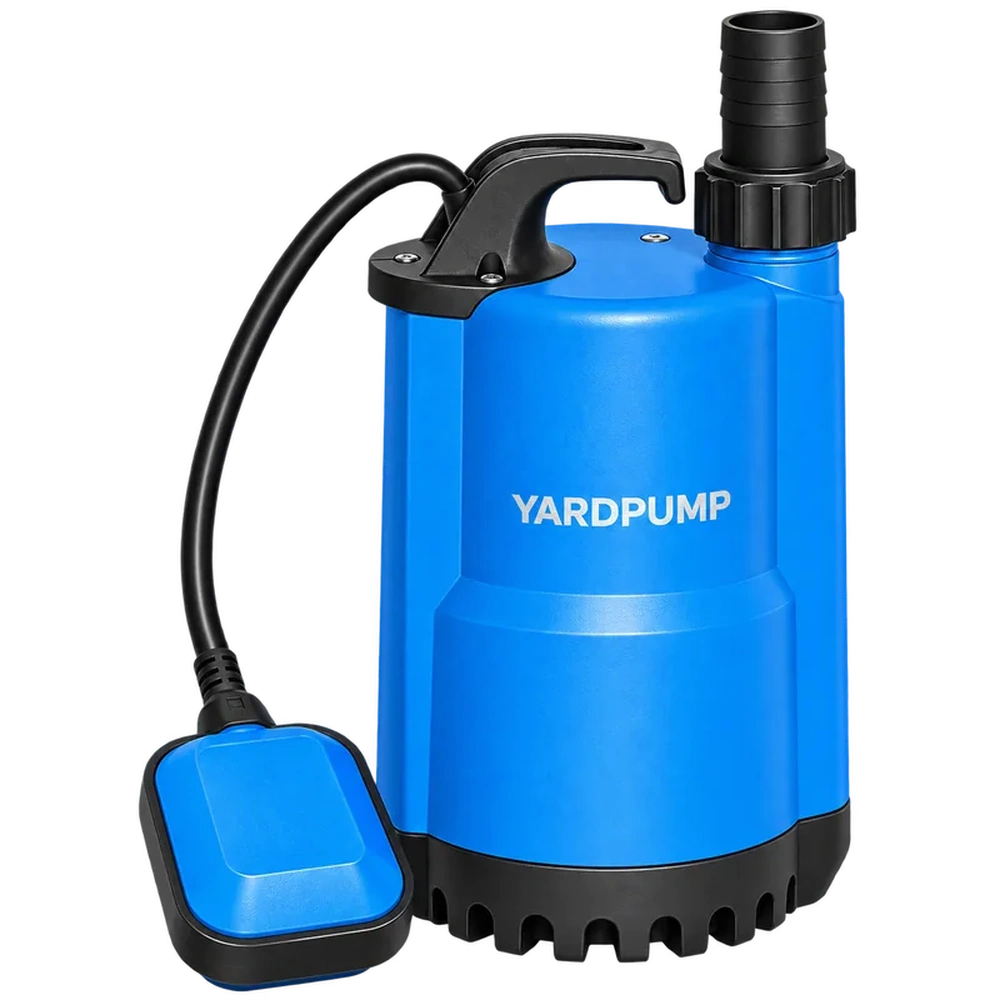
In a hypothetical wet bench test, a submersible pump runs steadily. Its meter says true RMS, and the current display barely moves. An independent measurement shows that the top of the waveform in the original channel was flattened. Before treating the difference as a change in motor load, check whether the channel captured the waveform. The calculation can process the samples that reached it. It cannot reconstruct peaks that a probe, input stage or digitiser cut off.
Equal RMS readings can have different peaks
RMS describes the square-root of the mean of the squared waveform. Crest factor is the peak divided by RMS. A broad waveform and one with short pulses may have the same RMS current and very different peaks. The actual current of a single-phase pump depends on supply, load and control conditions. Do not assume it is a sine wave in every test. A meter's specification may tie crest factor, allowable peak, bandwidth or accuracy to the selected range or reading. A display within its ampere range does not prove that the peaks were within the capture range.
Suppose an independent method verifies a waveform at three amperes RMS and nine amperes peak. Its crest factor is three. If the original measurement chain can accept only six amperes peak at that setting, the top can be clipped. A steady display is not evidence that the value is accurate. The resulting RMS error depends on the shape and time occupied by the missing portion. These are illustrative values, not a pump rating, a universal instrument limit or a reported test result.
Locate the limit in the whole measurement chain
Qualified test staff should check the probe model, scaling, zero, bandwidth, connections and meter input settings in an approved setup. A different sensor can change the peak limits of the same instrument. Record whether the acquisition covers starting, steady running or shutdown. A peak from one period does not characterise the other. Flattening can be introduced by probe saturation, front-end clipping or a recorder limit. The absence of an overload icon on the main display does not rule out an earlier component reaching its limit.
Where the equipment and procedure allow, verify the same condition using an independent chain with enough peak headroom. Retain the voltage and current waveforms, flow, head and range settings. If real power is required, use an appropriate power method that acquires voltage and current together and meets the relevant frequency and phase requirements. Multiplying RMS current by a rated voltage does not establish watts. Peak clipping and phase error at low power factor are separate mechanisms and can both matter in the same test.
Disposition the measurement before the pump
If a limit was exceeded, mark the affected result invalid for acceptance. Identify any other units and test intervals measured with the same configuration, and repeat as authorised. A higher corrected reading is not by itself a finding of a winding defect. First establish that the waveforms and operating conditions match. For installed equipment, do not open a live cord or attach test equipment in a wet area. Have qualified personnel isolate it and use the approved setup.
Keep the probe, peak capacity and actual range next to the recorded result. A note saying only “stable true RMS” describes a feature of the instrument, not evidence that this waveform reached it intact.
Record any filtering or automatic range changes during acquisition. Two stable traces can have different processing histories. Keep the original result alongside the recheck so that affected intervals and samples can be identified.
Frequently asked questions
Does a flat top always prove measurement clipping?
No. Some current waveforms can have a genuine flat region. Compare an independent chain under the same conditions.
Will selecting a higher display range always fix it?
Not necessarily. The probe or input stage may already be limited. Check the specifications of the whole chain.
Is a waveform necessary if the display is stable?
For a dispute about peaks or clipping, keep the waveform and range conditions. A stable number does not prove that the peaks were captured.