Imagine a flow-acceptance test with the following observation. A pump's discharge contains fine bubbles, and the flowmeter shows a large but unstable delivery. Should the buyer accept the displayed litres per minute? First determine whether the meter is measuring liquid reliably under that gas condition. Entrained air can disturb a meter's physical signal, change the mixture being counted or cause a diagnostic failure. The direction and size of error are not universal across measuring principles.
Count liquid separately from the gas
An ideal measurement of mixture volume is not automatically a measurement of liquid volume. As a purely geometric example, 100 litres of mixture containing 5 percent gas by volume at the measurement conditions contains 95 litres of liquid. This is not a correction factor for a real flowmeter. Actual bubble fraction, pressure, compressibility, slip and instrument response can be unknown or changing.
Air can enter through an inlet vortex, a return jet or another source. Gas may also come out of solution. Correcting the measurement does not correct the reason for bubbly pump operation. Preserve the water level and hydraulic conditions when investigating rather than treating every bubble as the same fault.
Identify what the meter needs to work
An electromagnetic meter requires its specified conductive liquid and installation conditions; bubbles at electrodes or an incompletely filled pipe can disturb its reading. Transit-time ultrasonic measurement can lose or distort its acoustic path with gas. Mechanical meters can respond to a mixture rather than the intended liquid flow. Other ultrasonic methods intentionally use reflectors, but still have defined application limits.
Coriolis measurement is not a universal exemption from two-phase problems. Gas can affect density and the vibrating measurement system, though some instruments include specialized capabilities for particular aerated conditions. Obtain the exact model's limits and diagnostics. The word “mass” or a calibration certificate alone does not establish suitability for the current air/water mixture.
| Observation | Check before using the value |
|---|---|
| Bubbles pass the sensor | Manufacturer's permissible gas conditions and signal quality |
| Display jumps while water seems steady | Full pipe, acoustic/electrode condition and acquisition history |
| Meter loses its signal | Whether zero means no flow or an invalid measurement |
| Quantity differs from collection | Liquid-only basis, pressure and timing of both methods |
Use a suitable independent quantity check
Where safe and appropriate, collect the delivered liquid using a defined volumetric or gravimetric method. Keep the outlet condition unchanged so that collection does not add backpressure or change head. Foam and suspended bubbles can make a container's visible top level misleading. A weighing method needs a known collection interval, suitable scale and the appropriate liquid-density basis.
For contaminated or hazardous liquids, do not improvise open collection. Have the test team choose an approved closed or other suitable verification method. A transparent hose observation can document bubbles but cannot establish a precise gas fraction from a phone photograph. Nor should an arbitrary percentage be subtracted until the result agrees with the catalogue.
Release the test condition and result together
For acceptance testing, establish a stable, valid liquid-flow condition under the pump's approved operating requirements. Record the meter model, diagnostics, pipe arrangement, water level, pressure and whether gas was visible. If the measurement condition is outside the meter's capability, mark the result invalid for that purpose and correct the setup or method before retesting.
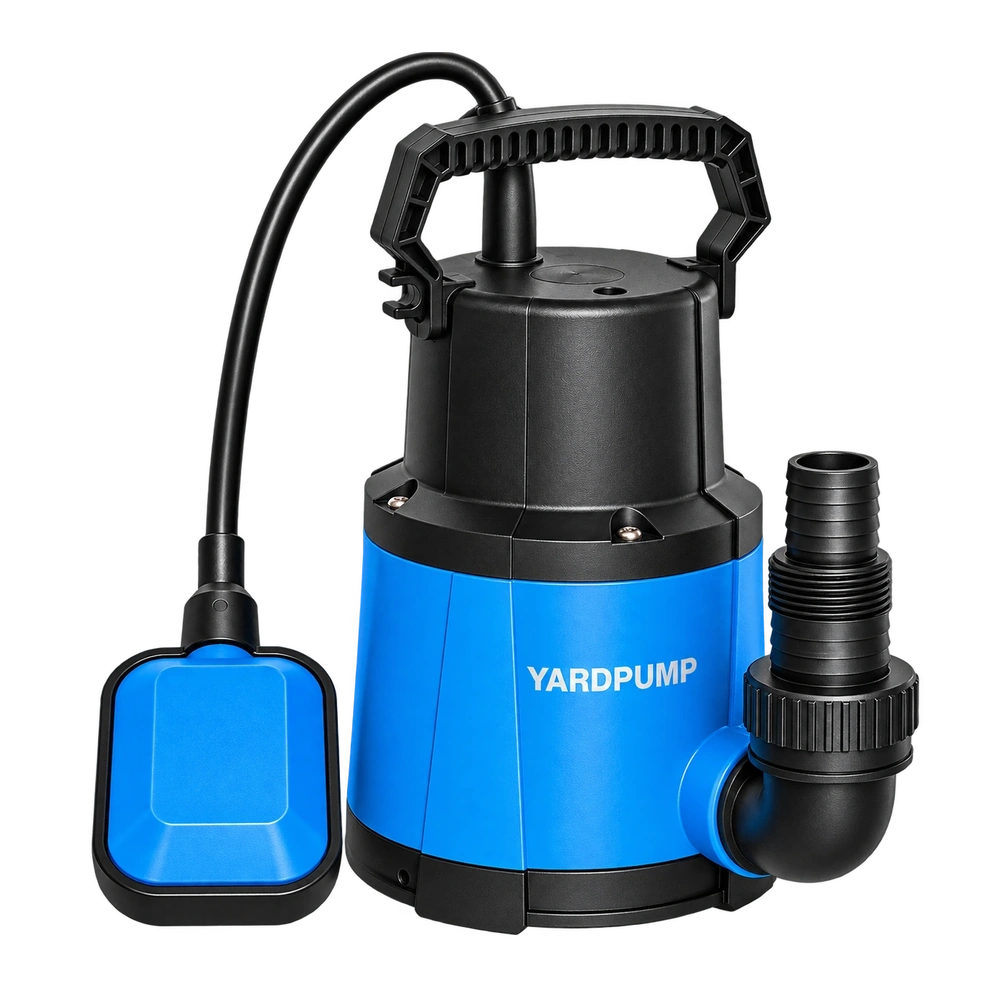
Do not quietly delete the original bubbly result. Preserve it as part of the investigation and distinguish an instrument limitation from a pump fault. For compact clean-water and clean/dirty-water pumps, the purchasing question is actual liquid delivered at the agreed head. A smooth-looking average on a screen cannot establish that quantity if the sensor was measuring a changing two-phase condition. Resolve both the measurement and any abnormal air intake before calling the duty proven.
Frequently asked questions
Do bubbles always make the reading too high?
No. The effect depends on the principle, gas condition and processing. Readings can shift, fluctuate or become invalid.
Can I use a bucket volume while foam remains on top?
Not without the defined liquid-volume method. Foam occupies space and can make the apparent level different from the liquid quantity.
Does removing air upstream prove the original test was valid?
No. It may establish a valid new condition. Retain both results and explain the change rather than retroactively approving the first reading.