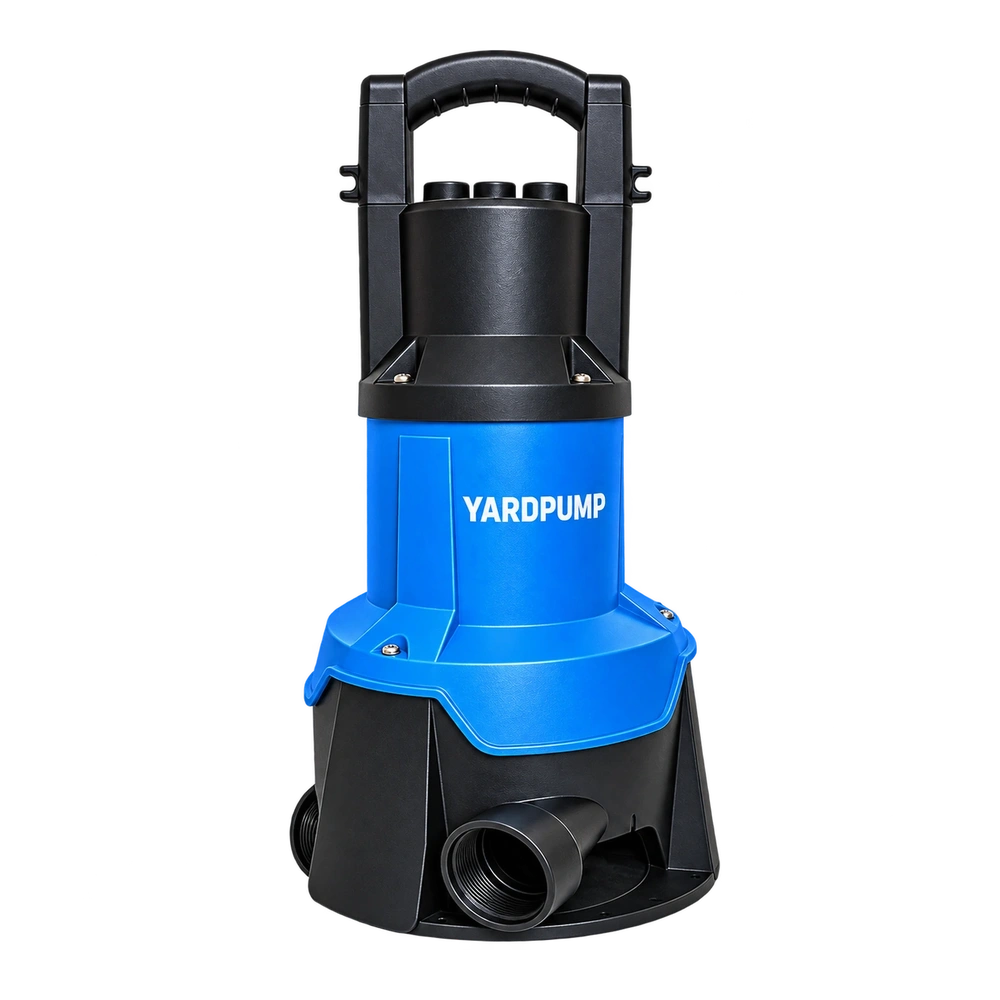
A small submersible pump is in for repair. Its bearing will not slide onto the journal, and someone suggests a torch to warm it just enough. Do not try that. Controlled hot mounting can use expansion to reduce the fitting force. First establish which ring has the tight fit, what heating the bearing and lubricant permit, and how seating will be verified after cooling. A wrong part, out-of-size journal or burr at the shoulder does not become acceptable because heating makes insertion possible.
Determine the fit before setting a temperature
Use suitable verified instruments to check the shaft and specified fit. Inspect the shoulder, chamfer and locating face. If the inner ring is the tight fit on a shaft, a cold mounting tool must apply its force to that ring rather than transmit it through the rolling elements. In a hot process, the relevant part of the fit needs enough temporary expansion within the permitted limits for the seals, grease, cage and bearing. A tight outer ring in a housing may call for a different approach; do not assume the same bearing heating applies.
For an illustration of scale, consider a uniform steel diameter of about 15 mm. A nominal expansion coefficient of 12 millionths per kelvin and a 60 kelvin change give roughly 0.011 mm of diametric expansion. That is not a heating setpoint. It ignores any warming of the shaft, actual steel, heat loss during assembly and temperature differences within the bearing. It only shows why a small size difference can change how a fit feels. Establish the allowed process and limits from the exact bearing, fit and equipment instructions.
Passing the journal is not the end of the process
Use approved heating equipment intended for the bearing, with dependable temperature measurement. Follow the maker's instructions for measurement position, uniformity, handling time and any required demagnetisation. Never heat a bearing with an open flame or estimate temperature by colour. A sealed, pregreased bearing may have different limits from an open bearing. If the proposed process has no approved basis, return to the specified cold method or obtain engineering approval. Isolate the equipment and control hot-part, pinch and stored energy risks. Do not heat a complete pump or its cable to solve the fit.
Check that the bearing reaches its intended locating face without applying mounting load through the rolling elements. After cooling, verify axial seating, specified clearance or preload, free rotation and any unusual sound, then complete the approved operating check. If the part sticks during fitting, stop and inspect the shaft, chamfer, seat and bearing. Do not hammer or reheat repeatedly. An easy slide only demonstrates temporary clearance. It does not establish the cooled fit, lubricant condition or running clearance.
Keep cold mounting when it can be controlled
If a small bearing can be cold-mounted consistently with the right tooling and force path, easier handling alone is not a reason to change. When the geometry, fit or process makes a cold method difficult to control, document the basis for hot mounting and verify the resulting assembly. Retain the mounting method, measurement condition and cooled result with the repair record. If noise or heating appears later, that evidence helps distinguish a mounting problem from a fault somewhere else in the motor.
Keep the old bearing as failure evidence rather than using it as a feel gauge. Note the temperatures when dimensions are taken, or let the parts reach the specified condition before comparing them. A replacement bearing does not release a worn, distorted or damaged shaft journal.
Frequently asked questions
Does a bearing that will not slide on prove excessive interference?
No. Check part identity, measurement temperature, dimensions, shoulder and burrs before applying more force or heat.
Can all pump bearings use the same heating temperature?
No. The approved limit depends on the bearing, seals, lubricant, material and method.
Is a cold check needed after hot mounting?
Yes. Seating and specified clearance or preload after cooling determine the installed condition.