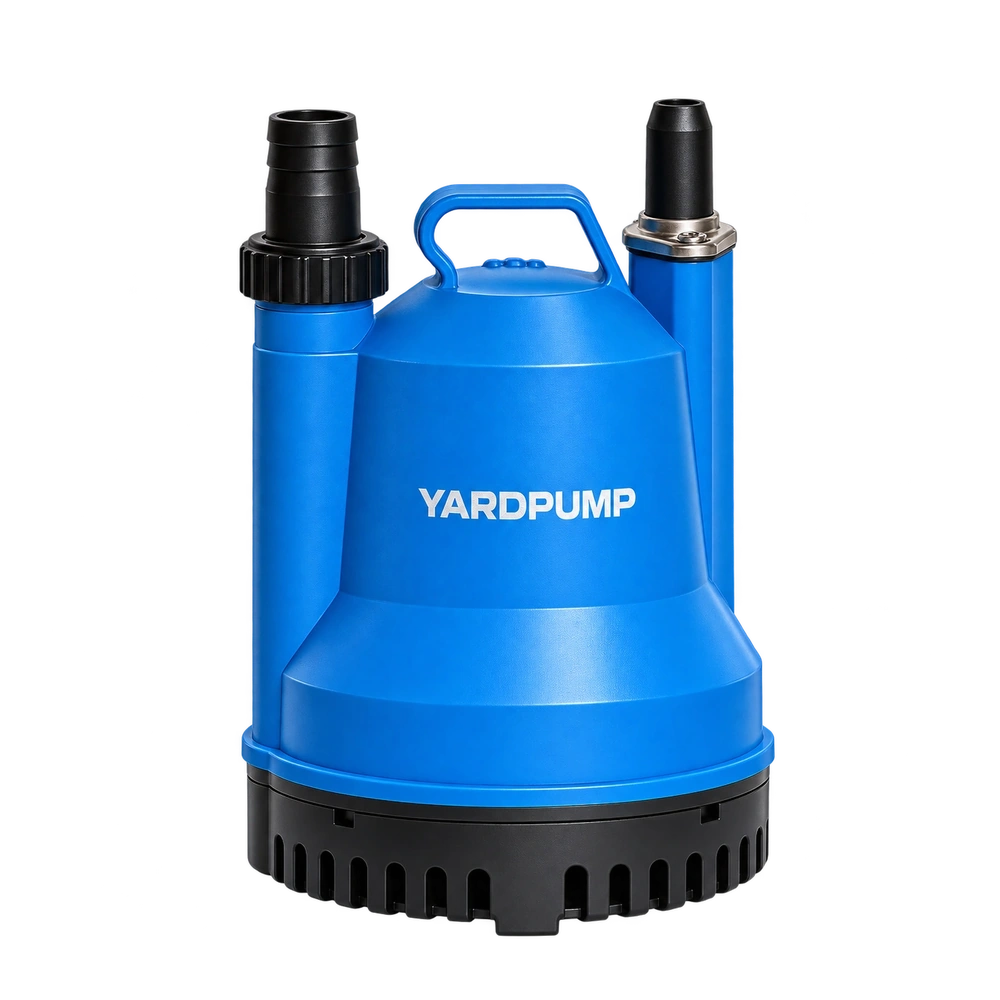
Suppose a single-phase submersible pump starts normally from cold, but hums without turning when asked to restart while warm. After cooling, it works. In an authorized bench investigation, distinguish loss of supply through a common protector from an open auxiliary circuit with the main winding still able to receive supply. Do not keep powering a motor that cannot turn. A jam, poor supply and a faulty capacitor can cause similar symptoms.
A cold continuity check can miss the event
In some single-phase designs, the auxiliary winding and capacitor provide a phase shift for starting. A termination, crimp, winding lead or switching part may open with heat and reconnect on cooling. If time is spent opening covers and finding test points, the meter may only see the recovered state. A protector in the common supply may instead remove power from the motor circuit. Trace the actual diagram and establish where the sound came from. Do not infer a live winding from humming. Some motors normally disconnect a starting circuit; a test assumption from a different motor can be wrong.
Log preceding run duration, why it stopped, time to the attempted restart, temperature and time to recovery. Inspect for external restriction or other mechanical clues after power is made safe. Qualified personnel should use the manufacturer's procedure, isolate supply, verify absence of voltage and safely address stored capacitor energy before checking circuits. Do not dismantle while energized, bypass the protector or use hands near moving parts to check whether the pump is jammed.
Separate checks in time
Consider an illustrative bench sequence. The independently identified auxiliary branch has continuity cold. After a controlled reproduction it is open during a safely accessible diagnostic interval while the fault is still present. Several minutes later continuity returns. If the common protection path was not open then and the capacitor passes its specified checks, the auxiliary branch terminations and winding leads deserve investigation. No particular resistance value is implied. Confirm instrument, clips, schematic and possible parallel paths. Capacitor charging, a parallel winding path or a slipping probe can change the reading.
Where the approved procedure allows it, check accessible sections of the isolated branch separately. Do not cut open a sealed return merely because the problem appears internal. Keep the timed observations for the repairer or manufacturer to decide if replacement or a controlled teardown is appropriate. Confirm recovery with the intended number of starts and allowed time between stops. A series of starts beyond the intended duty can produce a different failure. There is no universal warm-restart delay for a single-phase pump.
A useful report distinguishes the failed start, which protective or switching paths were checked and which remained inaccessible. If there was no way to make a safe measurement before the circuit recovered, report that limitation. A cold pass does not exclude an intermittent open.
Record whether the preceding stop was commanded by the controller or caused by a protector. If a pump stopped after exceeding its permitted water level or thermal condition, address that excursion before using it as a normal warm-restart test. Temperature correlation does not locate a specific failed joint. Evidence from separate portions of the auxiliary path is needed to narrow it down. Opening an enclosure may also accelerate cooling enough to remove the fault. Note the time between stop and each safe measurement, and use a manufacturer-approved alternative test if the accessible interval is too short. A report saying the fault window was missed is more useful than a statement that all resistances were normal with no time or temperature attached. Preserve the original connections until observations justify disturbing them.
Frequently asked questions
Does successful starting after a capacitor change prove the capacitor failed?
The leads moved and the pump cooled while it was changed. Correlate the recovery with timed circuit evidence before assigning cause.
Is a delay after shutdown necessarily abnormal?
Check the control and protection instructions. Normal reset delay and a heat-sensitive break in the auxiliary circuit call for different actions.
Can I keep switching the pump on to reproduce it?
Repeated stalled attempts are not an acceptable test. Have qualified personnel reproduce it on a protected setup and stop after a failed attempt.