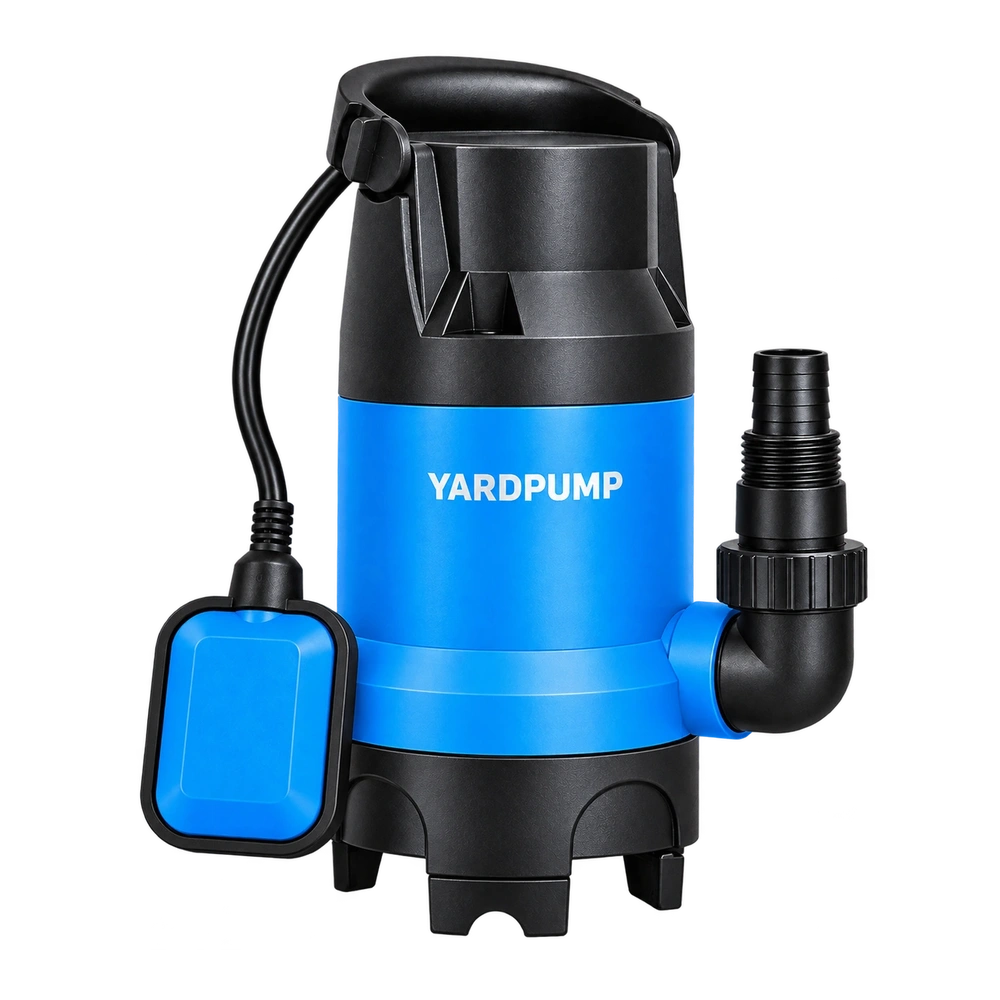
A vertical float moves when pushed by hand but sometimes stays partway up after release, leaving the pump running. Hand force can overcome resistance that the float cannot overcome under its own weight or buoyancy. Isolate power, then inspect deposits, alignment and nearby interference. Mechanical freedom and the electrical switching state are separate checks; neither should be inferred solely from the other.
Hand force differs from natural float movement
The float rises by buoyancy and must overcome guide, sleeve and switch friction as the water falls. A thin mineral film, rust particle or misalignment may yield to a finger yet hold the float under its own weight. Rapid drainback can also mimic a sticky mechanism.
Scale, fine sediment or dried deposits can increase resistance along the rod. Misalignment between the float bore and guide can add side loading. A sideways push may both supply extra force and briefly straighten the float, making the assembly seem repaired. Falling water provides neither correction. Record the sticking height and deposit location before cleaning so that guide friction can be distinguished from a float held up by local water movement.
Check the guide, bracket and surrounding clearance
Isolate power from a dry location and record water level, float position and pump state. Do not strike an operating unit. Inspect the guide and sleeve by the permitted method, preserving deposits and wear marks. After approved cleaning, raise and lower clean water slowly through repeated cycles; qualified personnel check the electrical switch.
Begin the isolated inspection with installation geometry: guide direction, bracket security and clearance from pipework, cords and the basin wall. Check free travel only as the instructions permit. Do not bend the rod, add weight or move stops to force shutdown. A damaged or waterlogged float and a worn guide require an approved parts decision. Removing surface scale cannot restore geometry that has already been damaged.
Cleaning has its own compatibility limits. A white deposit does not justify applying strong acid, solvent or abrasive material to the complete switch assembly. The proposed method may contact plastic, elastomer, cable and metal parts, so it must be allowed for those materials. After cleaning, confirm movement under the float's normal driving forces. Qualified personnel should verify the switching state using the appropriate procedure, without shorting protection or leaving the motor outside normal control.
Reproduce the sticking condition during falling water
Example: during five slow drawdowns the float stops 12 mm above its rest position twice and falls only after a touch. After approved cleaning and bracket correction it returns in all five cycles. The record supports a friction path, but five cycles are not a universal endurance test and do not exclude an intermittent electrical fault.
During a controlled operating check, observe a complete natural rise and fall. Note whether drain-back or a vent jet holds the float in one position. For illustration, repeated sticking at the same rod height despite a changed inflow direction strengthens the case for guide friction. Free mechanical travel combined with a persistent run signal calls for checking the switch or control circuit. One successful drop does not clear an intermittent fault; the check must cover conditions that previously produced it.
Choose cleaning, replacement or electrical service
When purchasing a replacement, float diameter and bracket hole spacing are not enough. Confirm the guide assembly, switching travel, mounting direction, electrical rating and compatibility with the pump control. A compact sump installation may need a bracket correction, permitted cleaning, a complete replacement float assembly or electrical service. These are different outcomes with different evidence. Being movable by hand is not a common acceptance rule for all of them.
Frequently asked questions
Does one successful movement after cleaning prove unattended reliability?
No. Repeat the approved check and maintain suitable high-water protection.
May I oil the guide rod?
Only with a manufacturer-approved material and method; grease can collect more debris.
If the float is down but the pump runs, is the motor faulty?
Not necessarily. Qualified personnel should check the switch, wiring and control circuit.