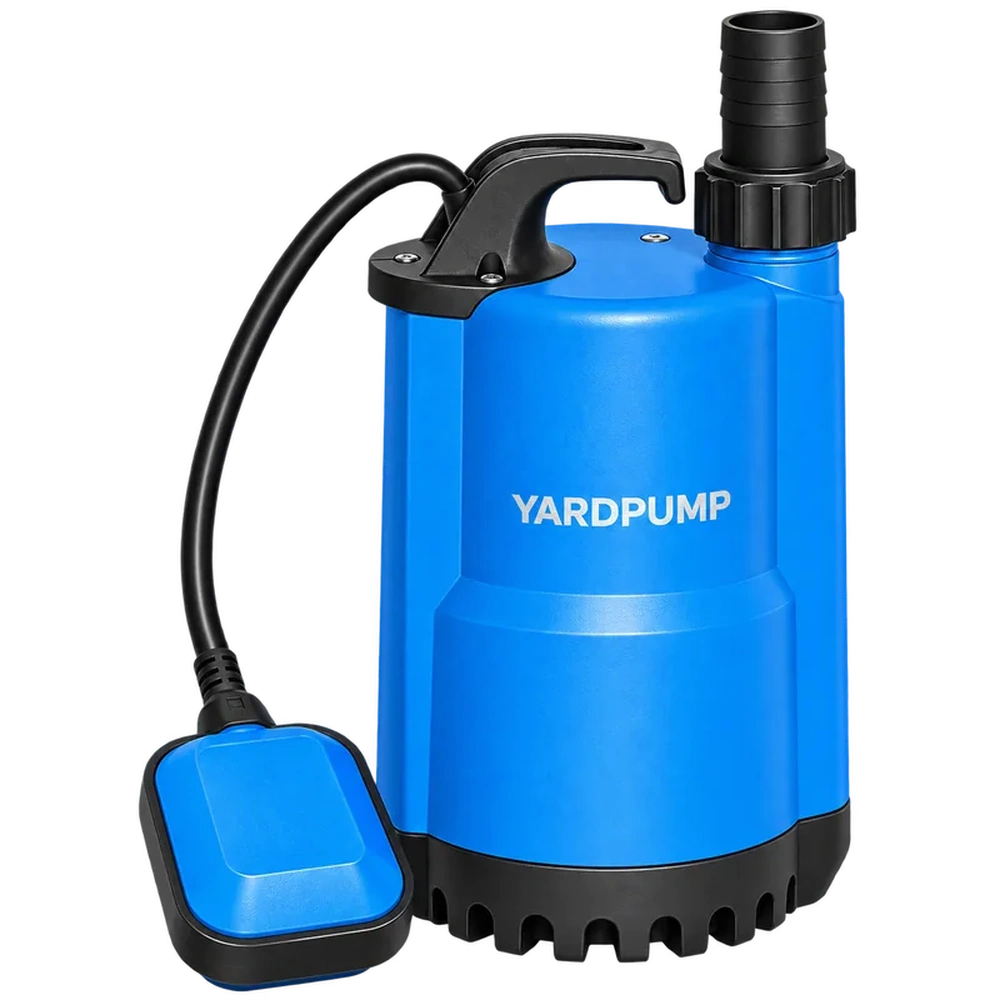
YARDPUMP BOM engineering
“Can you match our Pantone color and keep the same price and lead time?”
Color changes look cosmetic on an RFQ, but they can affect pigment, purging, coating setup, MOQ, inventory and quality control. On metal housings, the coating system also becomes part of corrosion protection.
Separate color matching from protection. Molded-in color, powder coating and liquid coating have different process controls, cost and failure modes.
Think of it like this
Color is the visible layer; adhesion is the invisible contract underneath
A beautiful coating that does not bond to the substrate will blister, chip or peel. The finish therefore starts before paint is applied—with surface preparation and pretreatment.
Industrial powder-coating systems such as Interpon’s corrosion-protection ranges pair primers and topcoats with pretreatment to create durable protection.
The visual color is only the final part of the system.
A composite private-label project
The perfect Pantone sample that failed during shipping
Imagine an approved color sample that matches perfectly in the showroom. Production pumps arrive with edge rub and paint marks caused by carton contact during transport.
The color formula was correct; the full finish-and-packaging system was not validated.
This is why OEM color approval should include packaging rub and handling, not only a desk-side color chip.
Molded color
Plastic color avoids peeling but introduces batch consistency and UV questions
Molded-in pigment becomes part of the resin, so there is no paint film to chip. That is attractive for high-volume plastic housings.
However, resin lot, pigment loading, UV exposure and process temperature can shift color or gloss.
Golden samples and colorimetric tolerances are more useful than relying on a Pantone name alone.
Metal coating
Pretreatment and edge coverage decide whether corrosion starts under the finish
Powder or liquid coating can provide both appearance and corrosion protection when the substrate is correctly prepared and film thickness is controlled.
Scratches, thin edges and poor pretreatment can expose metal and allow corrosion to spread beneath the coating.
For wet-service products, adhesion and corrosion tests should be matched to the real environment rather than to a decorative indoor standard.
What OEM QC should lock
A color specification needs more than one RGB or Pantone number
Useful controls include approved masterbatch or coating code, gloss target, allowable color delta, surface preparation, coating thickness and packaging rub resistance.
Custom color also affects MOQ and line-change scrap, so commercial terms should be frozen before artwork and production planning.
This turns “make it blue” into a repeatable manufacturing requirement.
Where finish claims stop
A coating is not the same as bulk corrosion-resistant material
Once a coating is scratched through, the substrate becomes exposed. A coated carbon-steel part and a stainless part therefore do not have the same corrosion mechanism.
Choose coating and substrate together for the intended environment.
Engineering decision layer
What to lock before you approve this component.
The narrative explains why the decision matters. This reference layer turns that reasoning into BOM, validation and supplier-control points.
- Molded-in resin color — no paint layer to chip and ideal for high-volume plastic housings, but color matching depends on resin/pigment control.
- Powder / liquid coating on metal — improves appearance and corrosion protection when pretreatment and film thickness are controlled.
- Custom Pantone / private-label color — useful for channel differentiation but can increase MOQ, color-change scrap and inventory complexity.
Custom colors may cost less in larger molding runs. Smaller batches can carry higher costs for pigment, purging and separate inventory. Coatings add pretreatment, spraying and curing steps.
Color itself does not improve performance; dark colors can change solar heat absorption in outdoor storage, while coating quality affects metal corrosion.
Poor adhesion, thin edges and scratches expose metal. Molded color generally avoids peeling but can fade with UV if the resin/pigment system is weak.
Failures include color drift, blooming, paint blistering, edge rust and abrasion during shipping.
Use colorimeter/golden-sample controls, cross-hatch adhesion where relevant and packaging rub tests.
Specify masterbatch/Pantone tolerance, gloss, UV expectation, coating thickness and adhesion where applicable; approve a golden color sample.
Custom color may change MOQ and lead time and must not obscure required safety markings.
YARDPUMP expert takeaway
Custom color is branding; durable finish is engineering. Control pretreatment, coating or resin process, color tolerance and packaging so the appearance survives manufacturing and use.