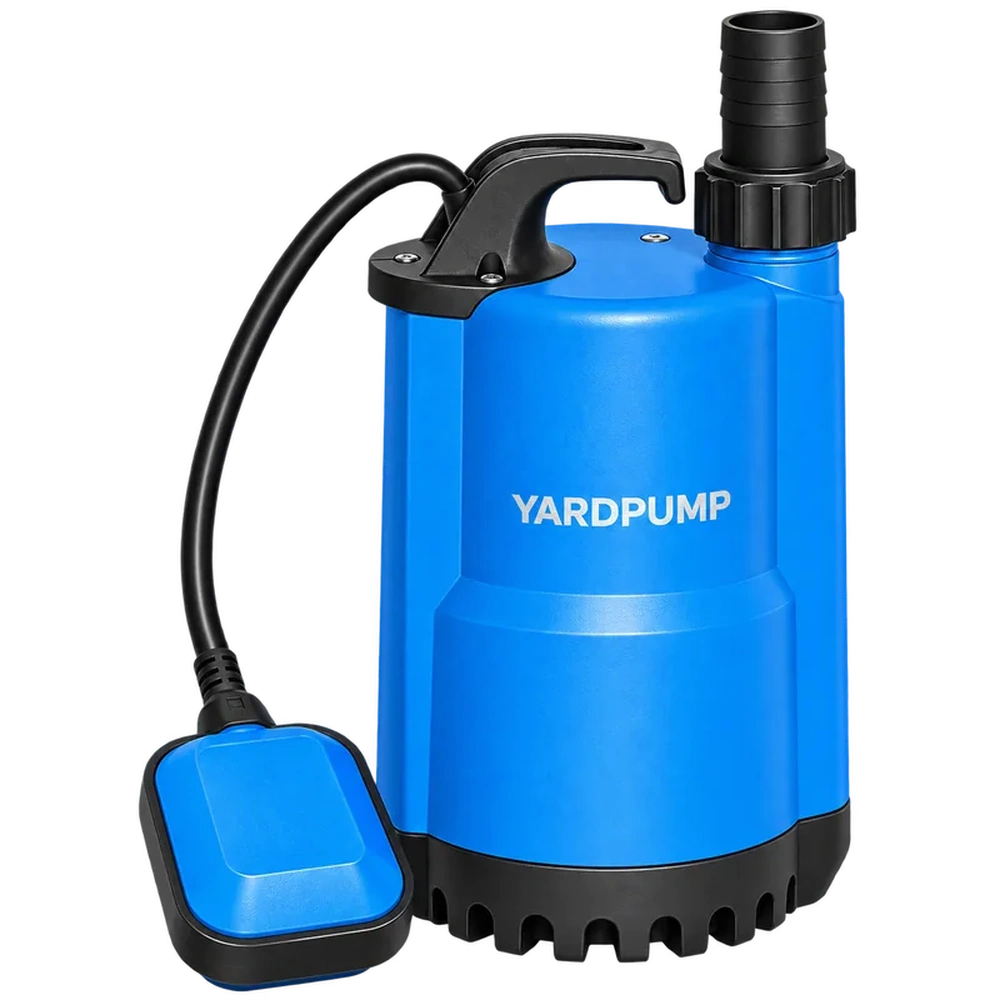
YARDPUMP BOM engineering
“Can we use one O-ring compound across every pump to simplify purchasing?”
Elastomers are often standardized for cost, yet the same compound can behave very differently in water, oil, heat or chemical exposure. Trelleborg compatibility data shows why media and temperature must be considered together.
Choose elastomer by fluid, temperature and lubricant compatibility. NBR, EPDM and FKM each have strengths and blind spots; none is a universal premium choice.
Think of it like this
An O-ring is a spring made of chemistry
It seals because the rubber deforms, maintains contact pressure and then recovers. If the material swells, hardens or takes permanent compression set, that spring behavior disappears.
The part can look visually intact while the sealing force has already changed.
This is why hardness and compound matter as much as nominal dimensions.
A composite compatibility failure
The O-ring that grew after the wrong cleaning chemical
Imagine a pump used with a liquid outside the original fresh-water duty. After exposure, an O-ring swells and the housing becomes difficult to reassemble.
The failure is not a machining problem; the polymer absorbed or reacted with the medium.
Changing to a more expensive elastomer without checking compatibility could create a different failure, especially if the same seal also contacts oil or seal lubricant.
Compound families
NBR, EPDM and FKM are different toolkits, not quality levels
NBR is widely used and economical, especially where oil resistance is useful. EPDM performs well in many water and weathering applications. FKM offers strong temperature and chemical resistance in many oil and fuel environments.
Trelleborg data also makes clear that compatibility changes by chemical and temperature. No short material name replaces an actual media check.
For ordinary fresh-water pumps, a qualified mainstream elastomer can be completely sufficient.
Assembly
The right rubber can still leak if the groove or assembly damages it
Cuts, twisting, rough groove edges and incorrect compression can damage an O-ring during assembly before the pump ever reaches water.
Lubrication method also matters because the assembly lubricant must be compatible with both the elastomer and the pumped liquid.
OEM validation should therefore include groove condition, hardness, compression and assembly process.
What QC should test
A soak test can reveal what a datasheet comparison misses
For unusual liquids, sample O-rings can be immersed under realistic temperature and time, then checked for mass, dimensions, hardness and cracking.
This is more informative than assuming a compound family is safe because it performed well in a different chemical.
Critical projects may also require supplier certificates and controlled compound codes.
Where generic advice stops
Chemical service needs the exact compound, not just the polymer family
Different formulations inside NBR, EPDM or FKM can behave differently. Temperature and concentration also change compatibility.
Use the supplier’s exact compound data for non-standard service.
Engineering decision layer
What to lock before you approve this component.
The narrative explains why the decision matters. This reference layer turns that reasoning into BOM, validation and supplier-control points.
- NBR — economical, good with many oils and widely used in general sealing, with more limited high-temperature/ozone performance than premium alternatives.
- EPDM — strong hot-water/weather resistance and useful for many water services, but poor with petroleum oils.
- FKM — higher temperature and chemical resistance in many oil/fuel environments, but higher cost and not universally best for hot water/steam or every chemical.
NBR is generally lowest cost, EPDM moderate and FKM significantly higher. Small O-rings are cheap, but using the wrong elastomer can cause expensive leakage.
Elastomer selection affects swelling, compression set, chemical resistance and temperature capability rather than pump flow.
A seal can lose geometry, harden, swell or crack long before metal parts wear out if the elastomer is chemically incompatible.
Failures include swelling, flattening, cracking, extrusion and cuts during assembly.
Inspect groove finish, lubrication/assembly method, hardness and compression; conduct media soak tests for non-water applications.
B2B buyers should specify compound family, hardness and media/temperature requirement; critical projects may require supplier certificates or immersion tests.
Elastomer upgrades must be compatible with the seal lubricant as well as the pumped liquid.
YARDPUMP expert takeaway
An O-ring is cheap only when it is compatible. Select the exact elastomer compound for the liquid, temperature and lubricant, then control the groove and assembly process.