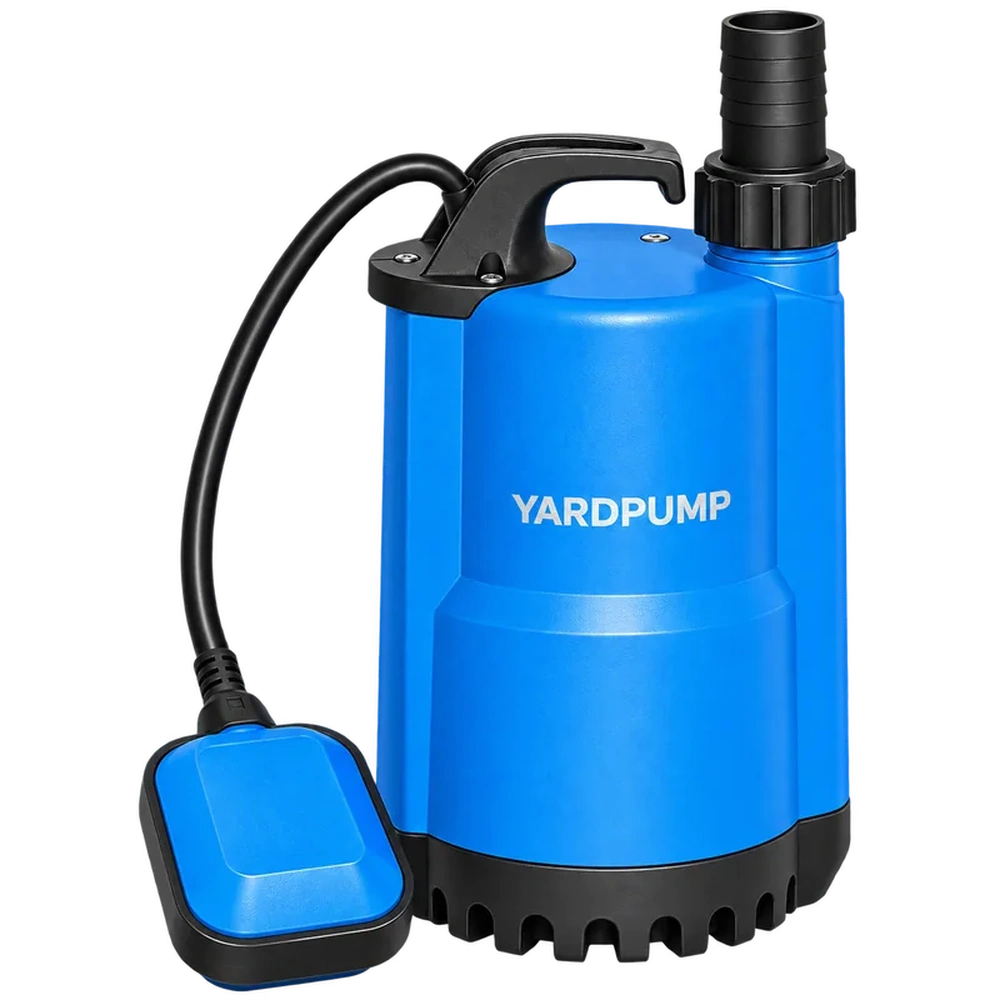
YARDPUMP BOM engineering
“If an oil chamber is a durability feature, should every pump have one?”
Professional submersible designs often use a lubricant chamber between seal stages, while simpler clean-water pumps may not need the same architecture. The chamber adds value only when it supports the seal system.
Use an oil chamber when controlled lubrication, isolation and heat management justify the extra complexity. Do not add it simply to make the BOM look higher-spec.
Think of it like this
The oil chamber is a controlled buffer zone between two worlds
Water is on one side, the protected motor is on the other, and the chamber provides a stable environment for the seal faces in between.
That buffer can lubricate and carry heat while also providing evidence of leakage if water contaminates the oil.
Its value comes from the function of the chamber, not the presence of oil itself.
A composite assembly issue
The pump had an oil chamber—and still failed because it was underfilled
Imagine a dual-seal pump where the chamber volume is correct on the drawing but the production fill process is inconsistent.
Some units leave the line with insufficient lubricant, reducing the protection expected from the design.
The architecture was good; the process control was not.
What the chamber does
Lubrication, isolation and thermal stability are the real benefits
Xylem specifications describe seal systems operating in a lubricant reservoir that maintains lubrication at the faces and isolates the motor side from the pumped liquid.
The oil can also provide a visible or sensor-detectable indication when water begins to enter the chamber.
This can be valuable in frequent-duty or harsher service where seal protection has real economic value.
The added complexity
Oil introduces its own failure modes
Fill mass, oil type, plug sealing, expansion space and contamination all become new controlled variables.
Overfill, underfill, leaking plugs or incompatible lubricant can turn the durability feature into a service problem.
The design also has environmental and maintenance implications that simpler pumps may not need.
What QC should verify
Weighing the oil can be more valuable than a premium sticker
Production control can verify fill mass, plug sealing and chamber leak tightness. Endurance samples can be opened to inspect oil color and water contamination.
A change in oil condition can reveal lower-seal leakage before the motor is affected.
That makes the chamber useful as both protection and diagnostic evidence.
Where oil chambers stop
An oil chamber does not make a general-purpose pump suitable for abrasive or chemical service
The hydraulic design, seal faces, elastomers and materials still have to match the liquid.
Add the chamber only when the complete architecture has been validated for the intended duty.
Engineering decision layer
What to lock before you approve this component.
The narrative explains why the decision matters. This reference layer turns that reasoning into BOM, validation and supplier-control points.
- No dedicated oil chamber — simpler, cheaper and compact; relies more directly on the selected seal arrangement and process water for cooling/lubrication.
- Oil chamber — creates a lubricated zone around one or more mechanical seals and can provide an additional barrier between water and motor.
- Oil lifter / circulation feature — used in some professional pumps to keep seal faces lubricated regardless of orientation or oil level behavior.
Adding an oil chamber increases casting/molding volume, plugs, oil, seals and assembly/testing steps.
Oil stabilizes seal lubrication and can absorb some heat; it does not improve hydraulic output directly.
Seal life can improve in harsh duty when the oil system is designed well, but contaminated or incorrectly filled oil can hide or create problems.
Failures include oil leakage, water-contaminated oil, underfill/overfill and damaged plug seals.
Check fill mass, leak tightness and oil condition after endurance; sample oil for water contamination during validation.
B2B buyers should specify oil type/volume, fill process, plug seal, leak-test criteria and service instructions.
Oil-chamber designs must consider environmental, transport and maintenance requirements.
YARDPUMP expert takeaway
An oil chamber is valuable when it lubricates, isolates and gives the seal system more margin. Its fill process and leak control must be engineered just as carefully as the seals themselves.