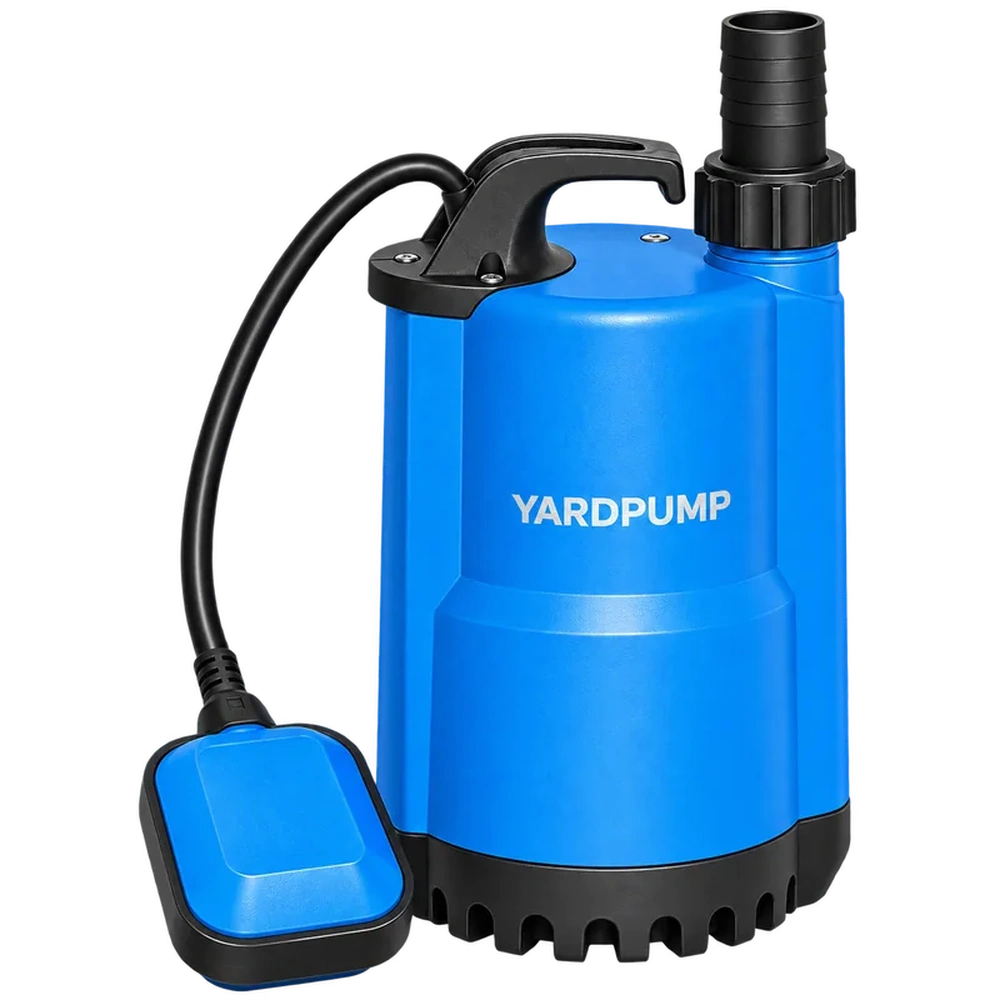
Suppose an importer receives hose kits for dirty-water drainage pumps. An older adapter fits into the new two-arm coupler. Both carry the same nominal size, and the arms close. Can the halves go into one bin for interchangeable stock? Approve an exact pair only when it is permitted by the coupling supplier and the locked fit and gasket contact can be verified. A closing arm is one observation. It does not establish that the face is seated or that the assembly is suitable for the line.
Separate retention from sealing
A straight-through cam and groove coupling relies on the arms engaging the adapter groove and on the adapter face compressing the correct gasket. The arms can appear to close while the face has not contacted evenly, a gasket is displaced, or a latch feature expected on that version is absent. A coupling that does not drip during a brief test may still be improperly locked or subjected to hose loads that the test did not recreate. This is a different issue from a quick coupler that has an internal poppet. If the delivered accessory includes a valve or a different lock, check its specific instructions.
List the actual pump-side transition, adapter, coupler, gasket, locking parts and hose attachment hardware on the order. Ask the maker which halves may be paired and what liquid, temperature and pressure the combination is approved for. Do not assume that matching markings or appearance allow two makers' parts to be interchanged. A drainage pump's liquid limits and the coupling gasket's compatibility must both be satisfied. No comparison of an isolated fitting can establish the full assembly's suitability.
Make receiving checks before wet confirmation
With the equipment disconnected and fully depressurized, identify both ends and look for damage to the contact face, adapter groove, arm lobes and locking features. Check the gasket is the specified version and is seated evenly. Identify photographs and notes by lot. Mate the approved pair in the intended orientation and verify each arm and required lock as described for that design. If one arm will not seat or engagement feels abnormal, stop and check the parts. Do not hammer the arms closed or improvise a pin.
A wet check belongs in an approved, supervised setup with the hose supported and the outlet secured. Have qualified staff record which parts were used, the pressure conditions, leakage observations and the repeatability expected after intended handling. Pressure testing calls for a defined procedure and test limits. An improvised high-pressure or compressed-air test is not a substitute. Isolate the pump from a safe dry point and relieve pressure as instructed before disconnection. A displaced or spraying coupling should be taken out of service safely.
Decide what can share a warehouse location
For illustration, a kit was accepted with adapter A against a particular coupler. Adapter B is marked with the same size and the arms can close, but there is no approved mating record for that pair. Hold B for identification and verification. The passed test of A gives no release basis for B. If B is later qualified with the same coupler, keep the approval, gasket type and tested conditions together, and make the permitted pairing clear in the stock instructions.
For an after-sales return, preserve both halves, the original gasket and a photograph of the support and outlet if available. The returned pump alone may tell you nothing about the coupling that leaked. Record whether leakage happened at the cam interface, at the hose attachment or on the pump thread before replacing the wrong component. In a sourcing or receipt check, the unit to approve is an identified connection ready to deliver water in its stated conditions.
Frequently asked questions
If both arms close, do I still need to check the gasket?
Yes. Mechanical engagement and suitable gasket compression are separate checks. Use the approved pair and its prescribed verification.
Can I substitute another gasket of the same size?
Only after the selected design and conveyed liquid are checked. Color and free size alone do not establish compatibility.
Is a single dry joint enough to release all cartons?
No. Tie the wet verification to the configurations and lots represented by the agreed inspection plan.