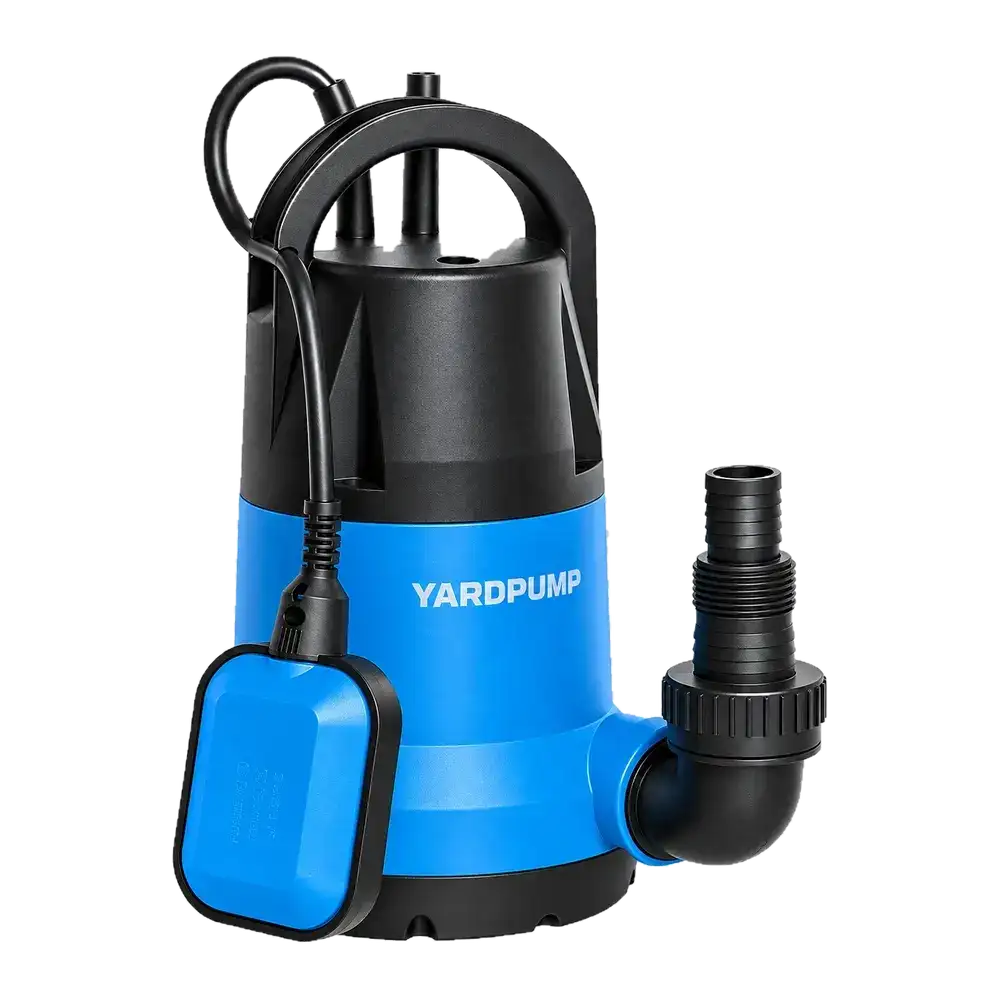
Suppose a garden pump sells in several markets. A buyer wants to put an extra outlet adapter in every box because the counter sometimes gets requests for it. Before changing the pack-out, measure the attach rate for the compatible pump and the intended installation. If many users already own the fitting or need a different one, adding it to every box raises cost and stock complexity. If missing it regularly prevents a pump from being installed, a controlled bundle or a well-stocked optional part may be justified.
Count demand for the right accessory
Identify the pump outlet, thread or sealing method and hose dimensions that the adapter actually serves. Similar looking fittings can fit different versions, and a scan code does not by itself establish a pressure-tight joint. Link each optional item to an approved compatibility list. For sales data, divide accessory purchases attached to a compatible pump sale by the relevant pump sales in the same period. Separate purchases for an existing pump, warranty swaps and returns. A mixed basket can contain more than one adapter, so define whether the measure counts transactions or pieces.
Record times the part was not available and times a customer was directed to another fitting. An observed attach rate falls if the part was out of stock, not only when demand falls. If customers receive the part automatically as a standard accessory, shipment counts say little about what proportion would buy it separately. Compare like conditions before moving the adapter into or out of the standard kit.
Turn the data into an ordering decision
For illustration, 300 sales of a compatible pump include 90 transactions with the optional adapter. The observed transaction attach rate is 30 percent. There are also 28 separate adapter purchases for previously installed pumps, and 15 requests logged during a shortage. The 28 belong in the spare-stock forecast, not in the numerator of the new-pump attach rate. The 15 may overlap later orders; verify them before treating them as unmet demand. If all 300 pumps were bundled, the purchaser would ship 300 pieces, but that is not proof that all 300 customers used them.
Compare alternatives for the relevant channel. A prepacked bundle can simplify installation when an adapter is needed for most jobs, but creates another orderable configuration and must have unambiguous packaging. A separate item can fit more versions and reduce unused pieces, but only if availability and counter guidance are reliable. An optional bundle for one channel can preserve another channel’s base pack-out. Consider the extra handling, returns from wrong fit, transit protection and the cost of a delayed install. Where an adapter affects a pressure boundary, verify the approved material and joint; inventory convenience never makes a mismatched fitting acceptable.
Validate what changes at the counter
In a defined trial, keep pump versions and selling conditions comparable. Record whether the buyer needed the adapter, which variant was issued, whether it fit the approved application, and why orders were delayed or returned. Review stockouts before reading the demand figures. If selling separately, use a picking label that pairs the approved pump outlet with the correct adapter. If bundling, update the agreed kit list and sample a packaged unit to verify the included item and customer instructions. Carry the same decision into replenishment so a new hose size does not silently change the assumptions.
An attachment rate helps decide how to sell a fitting. Fit and sealing evidence decide whether it belongs with the pump at all. Separate those decisions before changing what goes into every box.
Frequently asked questions
Should warranty replacements count toward the attach rate?
No. Track them separately. They may affect replacement stock, but do not show an optional purchase with a new pump.
Is a low rate proof the adapter is unnecessary?
No. Shortages, weak counter guidance and a different installed hose mix can all change the observed rate.
When does a separate kit make more sense?
When only a defined group needs the fitting and the dealer can keep the approved item reliably available and identify it correctly.