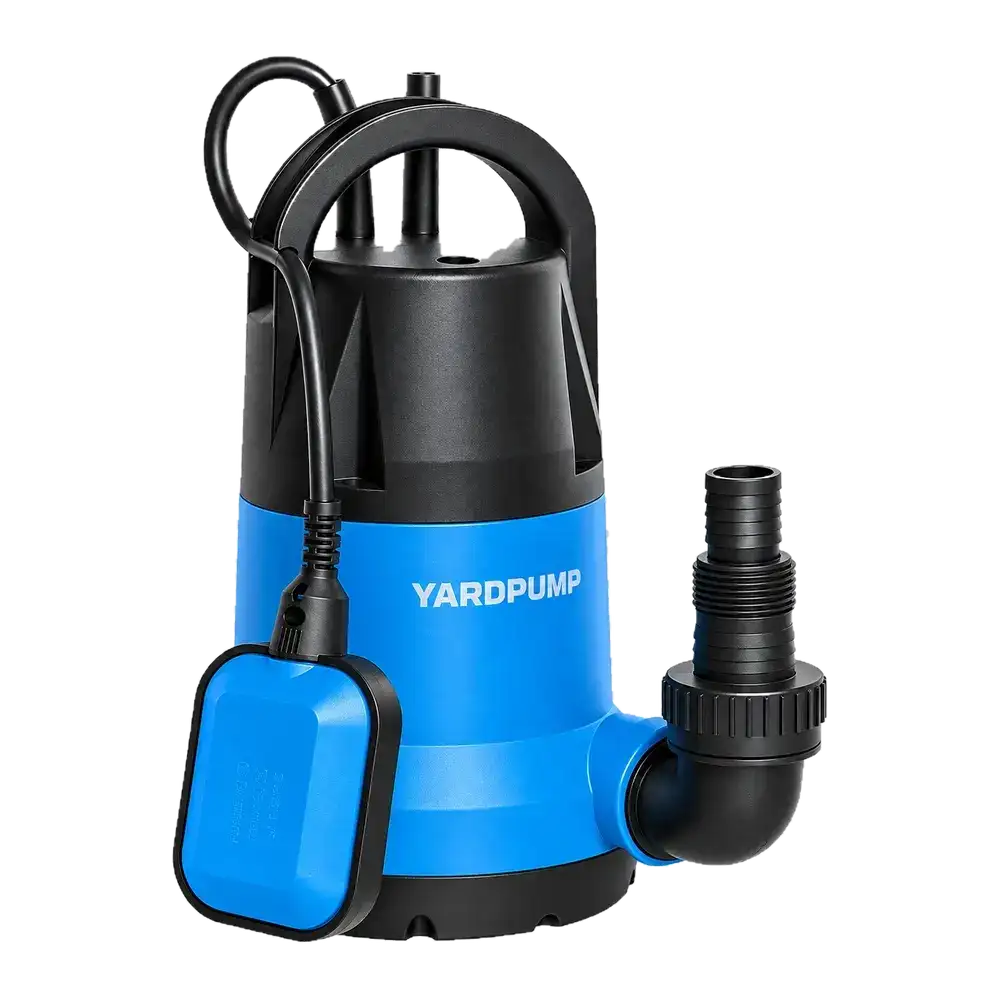
An order specifies 1,000 pump sets. The quotation uses SET, while the packing list uses PCS. On arrival, the buyer discovers that two connectors expected with every pump were supplied only in some cartons.
The cause may precede packing. “Set” was never defined. Specify the contents of each sale unit, batch spares and packaging levels rather than expecting PCS or SET to describe the complete delivery.
What is being counted?
A pump is a piece of equipment. A set might contain a pump, connectors, seals, hose or other agreed items. A carton might contain one set or several. There is no automatic relationship that applies across all suppliers.
SET may be only the quotation’s pricing unit. It does not necessarily include everything visible in a display photograph. A demonstration hose connected to a pump is not automatically part of every retail package.
State the pricing unit and its contents together. Images help confirm identity, but they should not replace a controlled written pack-out list.
Separate three accessory levels
Define accessories supplied per pump, items shared per carton and additional parts supplied for the entire batch. If the same component appears at different levels, distinguish its quantities and purposes.
Otherwise, the shipment can contain enough pieces in total while each end customer receives an incomplete package.
| Delivery level | Information to specify | Ambiguous wording to avoid |
|---|---|---|
| Per pump or set | Component identity, version and quantity | Standard accessories included |
| Per master carton | Number of sets and shared items | Normal packing |
| Additional batch parts | Separate quantity, purpose and location | A batch of free spares |
| Separately sold accessories | Price and shipment relationship | Displayed without explanation |
Small seals, washers and tools may determine whether installation can be completed. Match component interfaces and materials to the approved configuration. Supplying extra incompatible connectors does not make a kit complete.
Reconcile total quantity and allocation
As a hypothetical example, 1,000 sets each require two connectors, with another 50 supplied as service spares. The shipment needs 2,050 connectors: 2,000 allocated to sets as agreed and 50 separately identified.
These quantities are illustrative, not a standard pump configuration. Putting all 2,050 connectors in one box may satisfy the total count but fail an agreement for complete individual sets.
Conversely, counting spare connectors as additional complete sets can overstate the saleable quantity. Check both total count and allocation.
Use one approved set list to generate quotation, order confirmation, packing instructions and packing records. The formats may differ, but their relationships should remain clear. Record last-minute additions or deletions too; a chat message should not silently override the production instruction.
Compare quotations on equal contents
Align set contents, electrical version and packaging before comparing prices. One SET price may include retail packaging and two approved connectors, while another covers only the pump body.
Consider whether separately packed accessories create sorting, storage, repacking or omission risk. Those costs do not automatically belong to the factory, but responsibility should be agreed before confirmation.
The purchaser should not add an unstated configuration after delivery based solely on an assumption. Equally, the supplier should not reduce an agreed pack-out because its internal routine differs. A defined list protects both parties.
Inspect the physical kit and its documents
Confirm model and list version, inspect each item in an actual sale unit, then reconcile master cartons and batch extras. Sample across packing periods or the relevant risk scope rather than inspecting only a demonstration set.
Where useful, retain opening photographs and counts linked to carton identities. Distinguish missing parts, wrong parts, bulk allocation and a document-unit error. They may require different remedies: replacement parts, repacking or document correction.
Changing a packing list cannot make missing physical accessories appear. Final release should describe both the goods and documentation accurately.
For an importer planning distributor inventory, this also establishes how many complete sets can actually be sold without extra assembly work. That is often more useful than the shipment’s pump-body count alone.
Frequently asked questions
Does SET universally mean a pump plus every accessory?
No. The contract and contents list define the set. The abbreviation alone is insufficient.
Is delivery complete if the total accessory count is correct?
Check the agreed allocation. Bulk supply may fail a requirement for each individual set to be complete.
Can free connectors remain undocumented?
Record their identity, quantity and packaging location too. Free items can still create receiving and installation confusion.