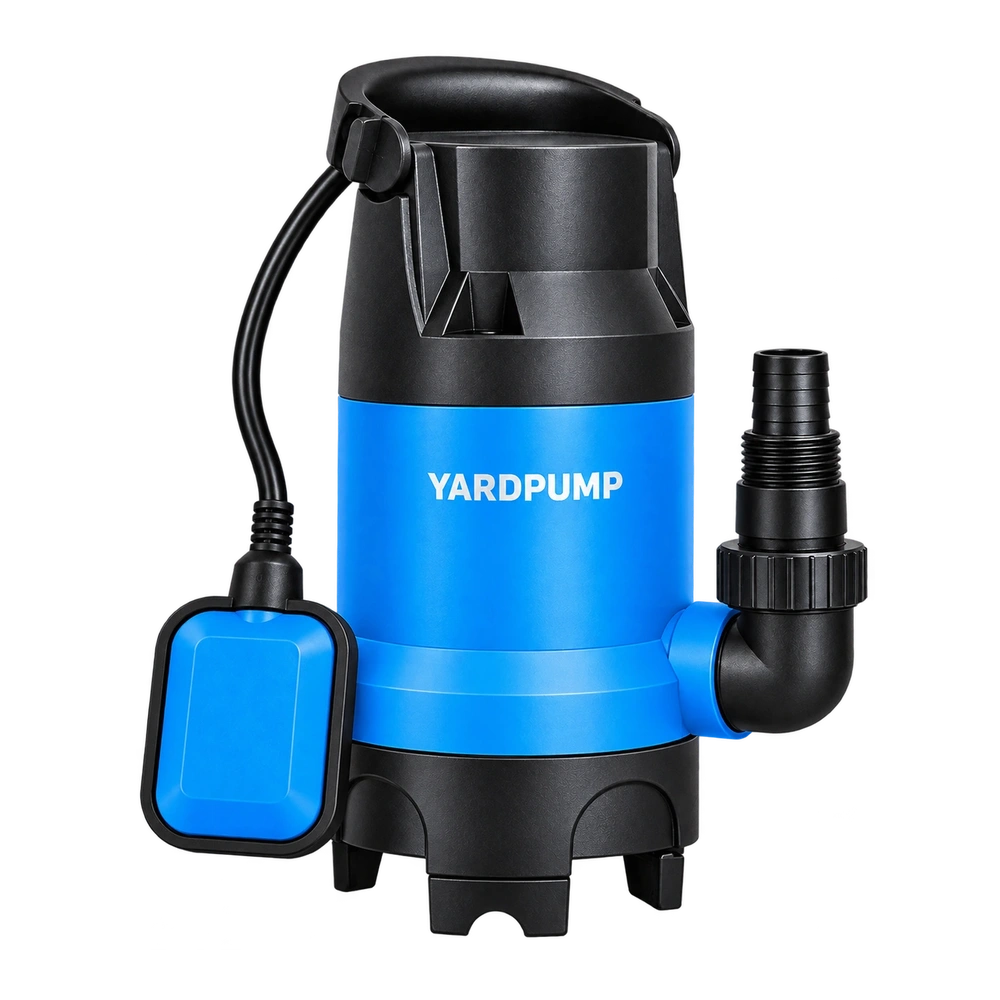
Consider an illustrative delivery complaint. A consumer opens a new pump and finds water droplets, then suspects a used product. A distributor may respond just as quickly that factory testing makes every trace of water normal. Neither conclusion is sufficiently supported. Hydraulic or sealing tests can leave residual water, but acceptable delivery condition depends on records, draining and drying requirements, the location of moisture and other evidence of use. One damp photograph cannot settle the question.
Establish where the liquid is located
Hydraulic passages, inlet and outlet spaces, packaging surfaces and electrical compartments are different locations. An area designed to contact water may retain some after testing. Moisture inside a compartment required to remain dry cannot be dismissed by referring generally to a factory water test. The actual boundaries need to be identified from the design and, where necessary, by qualified inspection.
Some assemblies contain an oil chamber or another specified medium. Visible liquid is not automatically water. Ask customers for clear external photographs and location descriptions rather than instructing them to open a sealed motor, drain unknown fluid or perform powered checks. Those actions can create risk and destroy useful evidence.
Testing and delivery acceptance are separate requirements
Where a supplier attributes water to testing, the test process and record should correspond to the sample or batch. A brief run, a sealing test and a performance assessment have different coverage. Water inside the hydraulic passage does not establish that every required safety or performance test has been completed.
Even a correctly tested pump must meet the agreed draining, drying, corrosion-protection and packaging requirements. Approval of a wet test is not permission to seal an undrained unit into any packaging arrangement. Consider journey duration, material compatibility and the intended delivery condition together.
Use several pieces of evidence
Check serial or batch identity, ordered configuration, dispatch records, packaging condition and consistent indications on the accessories and unit. Deposits at an inlet, connection marks or cable condition can provide clues, but they need to be interpreted against manufacturing, inspection and transport activities.
A scratch alone does not prove previous customer use. A clean housing does not prove the opposite. Unsupported allegations about used goods or dishonest returns reduce cooperation. Preserve the evidence and compare it with the production and distribution records before choosing an explanation.
Define the handover condition in purchasing documents
| Stage | Conditions the parties can agree |
|---|---|
| After testing | Draining method, drying conditions and permitted residual locations |
| Before packing | Appearance, accessories and required dryness checks |
| During transport | Material protection, orientation and moisture control |
| Abnormal arrival | Quarantine, evidence, inspection and release responsibility |
Requirements should fit the actual design rather than impose one universal millilitre allowance on every pump. Some passages may not drain completely by gravity. That is not permission to ignore protection; it is a reason to coordinate product and packaging arrangements.
Prevent the complaint from becoming an unsafe test
Keep the unit disconnected and retain the carton, identification, photographs and opening history. Record when moisture was noticed and the transport or storage conditions. Suspected electrical-compartment moisture, unidentified liquid or visible damage requires isolation and qualified assessment, not an initial request that the user plug it in to see whether it fails.
Do not use high-pressure air, arbitrary heating or added cleaner simply to restore a new-looking appearance. Such treatment can change seals, materials and evidence. Where treatment is appropriate, use the manufacturer's permitted process and establish the required delivery and operating condition afterwards.
Give production and service a shared explanation
In an illustrative order, a specified wet test and approved draining process have been agreed. Water droplets are later observed in a hydraulic passage without evidence of an electrical-boundary problem. The investigation should still check records and packaging effects before deciding conformity. That example does not establish that moisture in every new pump is acceptable.
Distributors need a concise delivery-condition description and a route for exceptions. Production needs test and draining records that can support that description. A water droplet is evidence requiring an explanation; the answer comes from its location, process history, records and acceptance requirements together.
Frequently Asked Questions
Does water prove a complete performance test was performed?
No. Several different activities use water. Verify the actual test, conditions and traceable result.
Does a completely dry pump prove it was never tested?
No. A suitable draining and drying process can leave a dry appearance. Use the records rather than that inference.
Should a customer open the motor to photograph possible ingress?
Not without authorization. Qualified personnel should follow the permitted inspection or return process to manage electrical risk and preserve evidence.