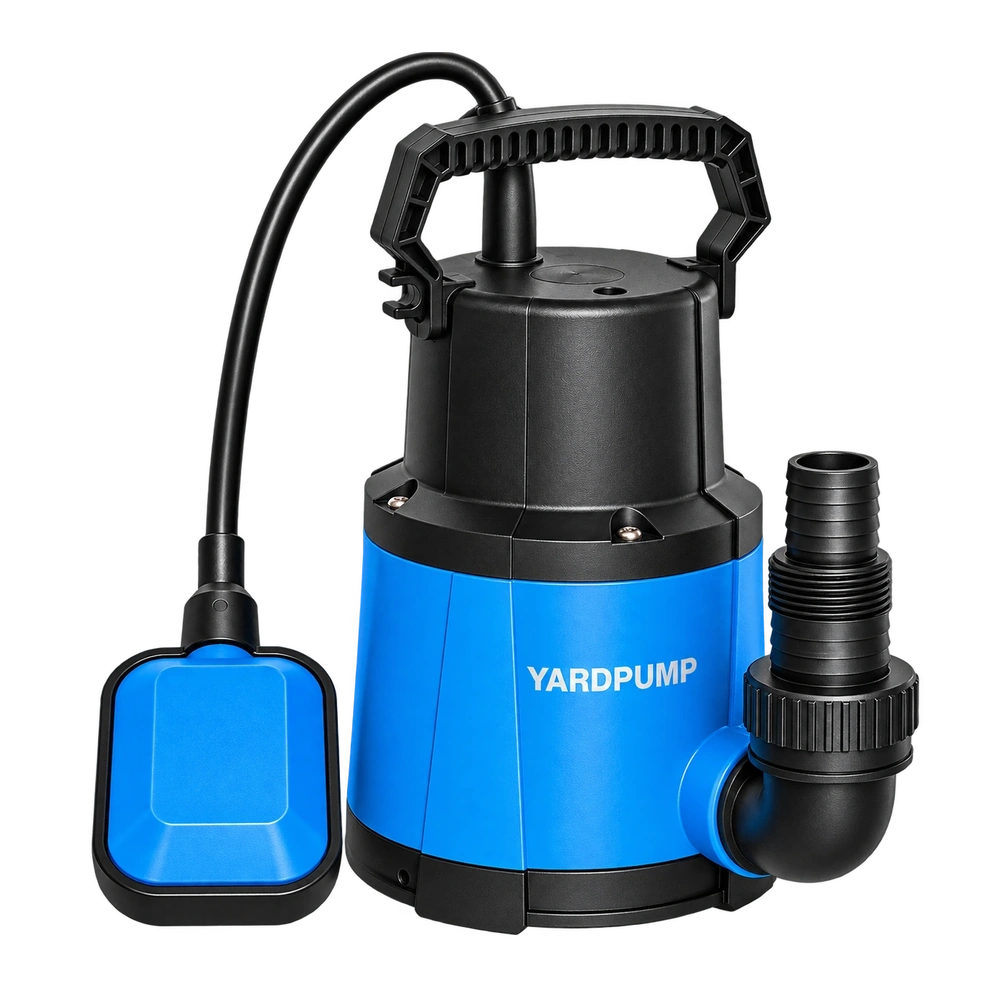
The purchasing question “Is an SDS Enough to Classify an Oil-Filled Pump for Transport?” needs more than yes or no. Define the object, revision, quantity, responsible party and release evidence in the order workflow. Identify the oil, quantity, finished-item form and transport mode, then have the responsible party classify the shipment; an SDS is evidence, not the decision. Quotation, production, inspection, warehouse and after-sales teams can then act on the same record.
Define the exact decision before testing
An SDS describes hazards for a specific substance. Classification of a finished oil-filled pump also depends on oil, quantity, article form, packaging and transport mode. One oil's Section 14 statement cannot decide another configuration.
The boundary is specific: 树脂资料旧文区分技术数据表、检验证明和安全数据表;本文针对含油整泵的运输分类、包装与承运人信息。 A result from an adjacent problem can look relevant while answering a different decision.
Within the Specifications, Quotations and Total Cost section, the controlled decision is oil-filled pump SDS transport classification. The record should repeat the exact scenario in “Is an SDS Enough to Classify an Oil-Filled Pump for Transport?” and identify the physical item, revision or site condition to which the conclusion applies. If any of those identifiers changes, reopen the assumptions instead of carrying the previous answer forward. This keeps the article's decision distinct from neighboring pump topics even when some tools or measurements are shared.
An illustrative calculation or comparison
Create a table linking oil identity, supplier, batch, fill quantity and pump model, then give it and the current SDS to the party responsible for classification. Air, sea and road decisions may differ.
Label every assumption as an example and every observation with its measurement boundary. Values from different locations, units or time windows are not directly comparable. Keep original quantities and conversion steps so teams can reproduce the conclusion.
A practical investigation sequence
Build a control sheet listing revision, applicable variants and lots, owners, triggers, required raw records, criteria and deviation closure. Link it to the purchase order, sample approval and shipment identity. Sampling represents only a defined lot. When a discrepancy appears, quarantine its scope and resolve evidence rather than swapping units until a pass appears.
Use three columns: what was observed, what it can rule out, and what it cannot prove. This prevents one complaint becoming an invented industry rate and stops the investigation ending at the first plausible clue.
The controlled object here is “Is an SDS Enough to Classify an Oil-Filled Pump for Transport?”, so every field should support that decision.
Turn the result into an acceptance record
Keep model and revision, sample or site identity, date, liquid and environment, dimensions or pipe route, instrument and range, raw readings, photograph references, conclusion and open actions. If a part, valve, setting or position changes, preserve before and after states instead of keeping only the final successful image.
Set acceptance criteria before testing. A boundary value calls for attention to resolution, repeatability and sample variation; rounding should not manufacture a pass. For a field complaint, restore a safe controlled condition before assigning commercial responsibility.
Limits of the method
Illustrative clauses and numbers are not legal, trade, transport or certification advice. Qualified responsible parties must confirm market-specific contracts, markings, dangerous-goods decisions and safety requirements. Never bypass a protector, safety device or alarm to simplify diagnosis. If liquid, wiring or construction cannot be established, stop and obtain qualified direction.
Frequently asked questions
oil-filled pump SDS transport classification question 1: Can an email replace a PO change?
Only when entered into the controlled change record with variants, quantities and revision so production can apply it. For this article, also apply the site or revision boundary stated in “Is an SDS Enough to Classify an Oil-Filled Pump for Transport?”.
oil-filled pump SDS transport classification question 2: Is “everything checked” enough?
No. Define sampled or complete scope, retain raw records and criteria, and keep sample identity. For this article, also apply the site or revision boundary stated in “Is an SDS Enough to Classify an Oil-Filled Pump for Transport?”.
oil-filled pump SDS transport classification question 3: Must every discrepancy cause rejection?
First quarantine and define scope. Contract and engineering review can select rework, reinspection, concession or rejection. For this article, also apply the site or revision boundary stated in “Is an SDS Enough to Classify an Oil-Filled Pump for Transport?”.