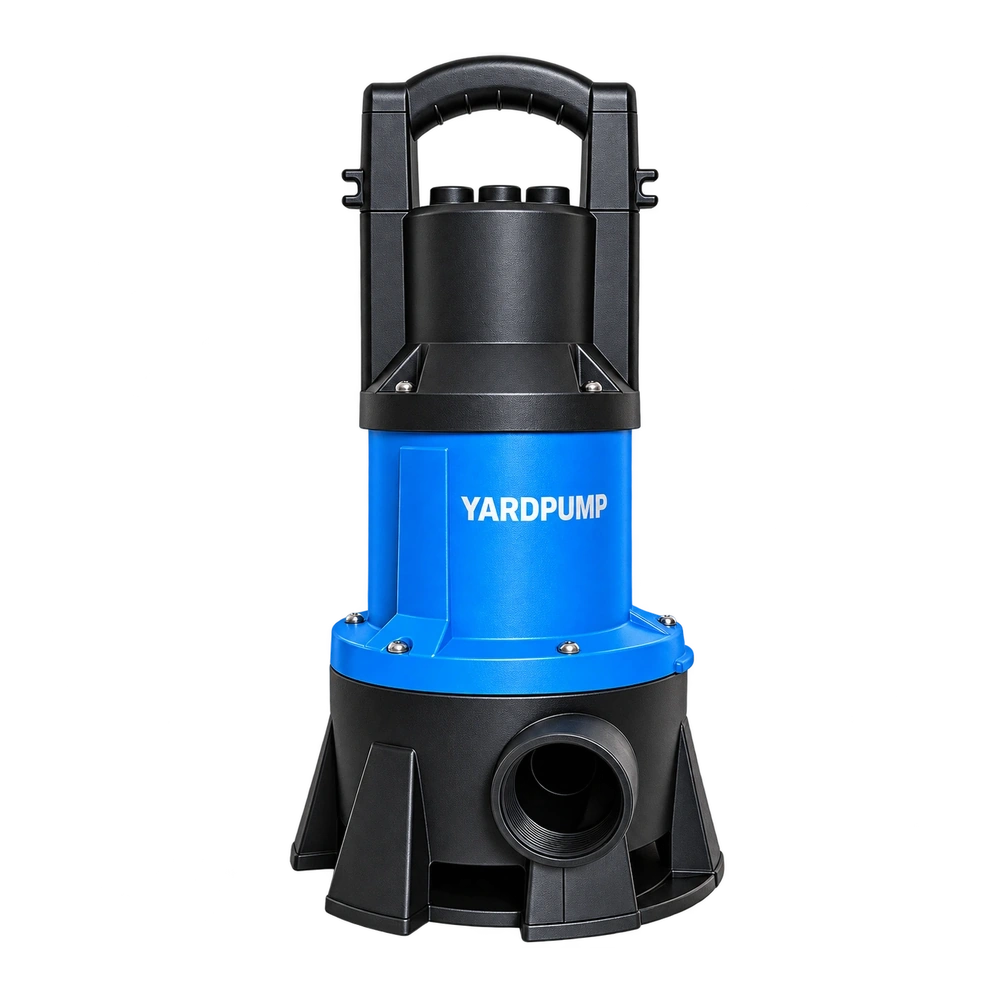
A brand approves a blue plastic pump and requests red shortly before production. It may be a modest change, but matching the visible colour is not the entire release decision. Masterbatch carrier, pigments and loading alter the final formulation. Processing, component function and marking visibility can also matter. Set the validation scope according to the part's job.
Identify the formulation behind the colour
The same apparent red can be produced with different pigment systems and carriers. The masterbatch must be suitable for the base resin, processing conditions and intended service. A colour concentrate appropriate to one polymer must not be transferred to another merely because it is called universal.
Use the agreed loading rather than increasing the addition rate informally to chase a shade. More concentrate adds carrier and other ingredients as well as pigment. The result is not simply a stronger colour.
This does not mean red is inherently weaker than blue, or that every colour change damages performance. It means the specific material combination and actual change need assessment. A ranking by colour name has little engineering value.
Record the moulding condition
Resin drying, mixing uniformity, processing temperature, mould condition and residual material from the previous run can affect both appearance and the part. Colour streaks, unusual weld lines or dimensional drift should trigger investigation rather than more concentrate to hide the symptom.
Where conditioning or post-treatment is specified, compare parts in the agreed state. A newly moulded red part and an older conditioned blue reference may differ for reasons beyond colour.
Label trial parts with formulation, material lot and process revision. Without those details, an approved sample can become impossible to reproduce during the next order.
| Validation item | Purpose |
|---|---|
| Masterbatch identity and loading | Control carrier compatibility and formulation |
| Sealing and assembly dimensions | Confirm critical interfaces remain acceptable |
| Mechanical and clamping function | Check duties relevant to the actual component |
| Appearance and markings | Maintain readable warnings and visible defects |
Match test depth to component responsibility
A decorative cover and a casing forming a liquid boundary do not necessarily require identical validation. Assess any effects on sealing, structural loads or electrical insulation according to the actual design.
For outdoor applications, review the formulation's response to environmental exposure. A brief exposure trial does not establish a universal multi-year life. The relevant acceptance criteria should reflect the product and intended market rather than an invented duration.
If a product relies on material-specific recognition or approval documentation, check whether the coloured formulation is covered. An unchanged base-polymer name does not prove that every pigmentation has the same status. Apply only claims supported for the actual component and documentation.
Approve appearance and function together
Consider a hypothetical case where a red colour plaque is accepted, but the pump casing uses a glass-reinforced compound. The plaque can indicate the desired shade. It cannot establish appearance, dimensions or performance in the real moulded casing.
Validate the actual material in the actual component, then retain an approved reference and acceptable variation. Agree viewing conditions, surface state, colour tolerance and defect criteria rather than relying on photographs from different phones.
Appearance inspection must not conceal functional defects. A close colour match cannot excuse a damaged weld region or an out-of-tolerance sealing surface. Also review contrast for labels, moulded text, float markings and warnings that users need to identify.
Make the order reproducible
Freeze the base grade, masterbatch identity, loading and approved-sample revision in the order documentation. Define notification and approval rules for substitutions and deviations.
Check the actual first-production formulation rather than accepting a carton labelled red as sufficient evidence. Later changes to concentrate supplier or loading need an impact assessment even when the visible shade remains similar.
This approach does not require a complete lifetime programme for every cosmetic change. It requires validation proportionate to the identified effects. Clear material identity and a reproducible sample protect delivery as well as component reliability.
Frequently Asked Questions
Is red plastic inherently worse than black or blue?
No. Performance depends on the resin, pigments, additives, processing and intended duty.
Does approving a colour plaque approve the complete pump?
No. Confirm the actual component's material, dimensions, function and readable markings.
Can a same-colour masterbatch supplier change be ignored?
No. Follow the agreed material-change process; matching colour does not establish an unchanged formulation.