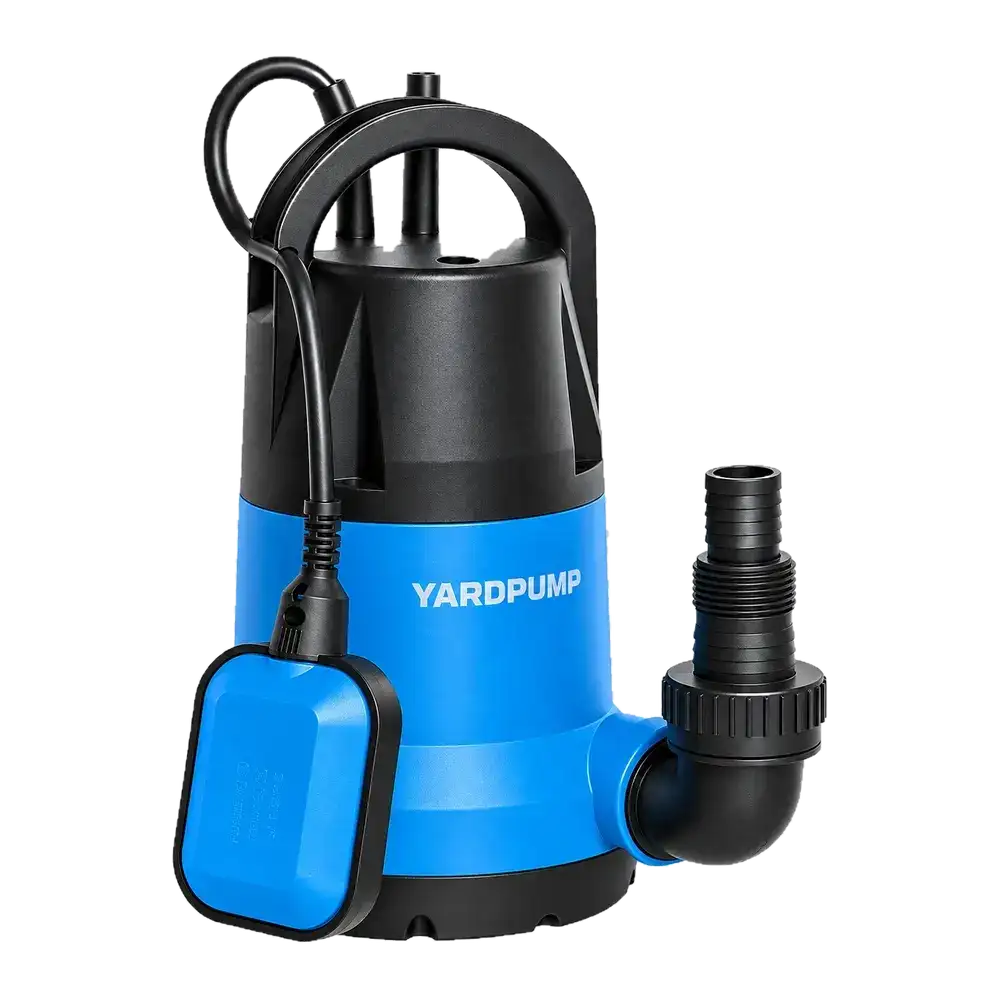
A European private-label brand buys pumps manufactured in China. Its carton already carries a European business address. Can the origin field therefore name the brand's home country? In this typical sourcing question, separate brand identity, business address, design claims and the origin of the goods. Origin follows the applicable destination rules and manufacturing facts. It is not determined automatically by headquarters, private labelling or a repacking operation.
A package can contain several different identities
The brand identifies a commercial source. Importer or distributor details identify relevant business contacts and responsibilities. A design-origin statement needs its own factual support. These fields serve different purposes and cannot automatically replace country-of-origin information. Reviewing them separately is usually more productive than arguing about which country's name has the most prominent position in the artwork.
For a hypothetical example, a brand is headquartered in Europe, while the goods are manufactured in China and their Chinese origin has been confirmed under the destination rules. The business address can be accurate without making the goods European in origin. This is not a statement about a particular company or order. A multi-country manufacturing route requires further assessment; a small final operation is not sufficient information for an informal conclusion.
Establish the destination requirements before the artwork
Markets do not necessarily impose identical origin, business-identity and product-information requirements. For example, US import origin marking involves legibility, conspicuousness and permanence appropriate to the article's nature. Relevant exceptions, marking of containers and the exact presentation require review under the applicable rules. A solution accepted for one destination should not automatically become the standard for all export cartons or product labels.
Where other country names, addresses or design statements appear, review whether the overall presentation could give an inaccurate impression of origin. This article supplies neither a universal marking layout nor an origin determination from a photograph. The responsible importer should assess complex cases using the actual manufacturing records and applicable requirements. A familiar brand location is not evidence that resolves the manufacturing question.
| Package information | Facts that should support it | Information it cannot replace |
|---|---|---|
| Brand or trademark | Actual commercial identity and authorization | Origin of the goods |
| Business address | Relevant entity and contact details | Manufacturing-origin assessment |
| Design statement | Verifiable design-related facts | Manufacturing-origin marking |
| Country of origin | Manufacturing facts under applicable rules | Other required product information |
Keep documents connected to the physical goods
Review the order, supply and manufacturing records, carton, product label and relevant trade documents. Different fields do not always require identical wording, but they should not contradict each other or describe an untrue manufacturing relationship. An address from an instruction booklet should not simply be copied into a customs-origin field as though the two terms meant the same thing. Each field needs the right supporting record.
Where several factories, countries or processing stages are involved, retain evidence sufficient to support the assessment. The useful question is which facts establish this origin, not which country name the buyer would prefer to see. Price, brand positioning and customer preference cannot substitute for those facts and rules. Documentation should remain traceable when production arrangements or suppliers change later.
Review origin before print release
Give brand authorization, business identity, origin and other product requirements separate approval items. State who reviews and authorizes each one. If a decision is unresolved, leaving a field blank or reusing the previous order's file is not automatic clearance. Once labels or cartons have been produced in quantity, corrections can affect inventory, delivery and import arrangements. Early review is a practical cost-control measure as well as an accuracy check.
If interpretations disagree, hold the affected artwork release, retain versions and resolve the matter through evidence. Do not remove traceability or use vague geographic wording to conceal the uncertainty. Accurate origin information need not weaken a private-label brand. It helps keep brand promises, manufacturing facts and import responsibilities consistent over repeated orders and market expansion.
Questions about product origin
Does a European business address settle the origin question?
No. Business identity and goods origin are different information and require separate destination-specific review.
Does repacking in another country automatically change origin?
No. Apply the relevant rules to the actual processing facts rather than infer origin from a packaging change.
Can the same origin artwork be used in every market?
Do not assume so. Confirm each market's requirements, relevant exceptions and responsibility arrangement before release.